Greetings from the Ho Chi Minh Road! The original Ho Chi Minh Trail was a vast network of hidden supply routes used by the North Vietnamese during the war to transport troops, weapons, and supplies from North Vietnam into the South via Laos and Cambodia. It was rugged, secretive, and key to the Viet Cong’s resilience.
Today’s Ho Chi Minh Road, while named in honor of the trail, is a paved highway system that roughly traces parts of the old path, especially through central Vietnam. It’s been developed for modern travel, but still winds through some of the most remote and historically significant regions in the country.
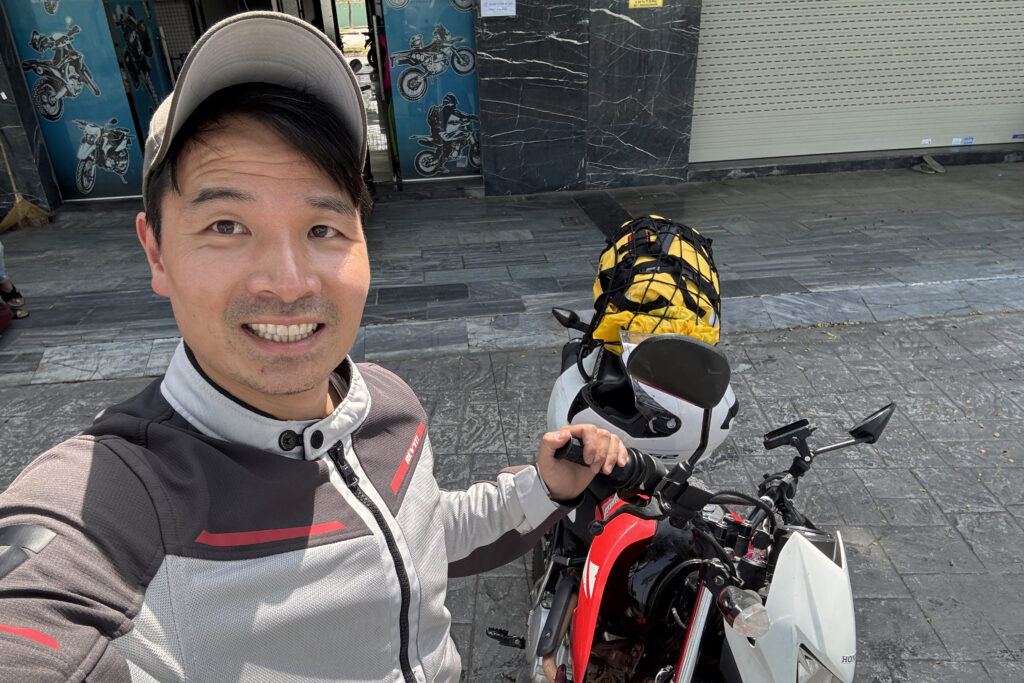
Meet Banh Mi! This little pony will be accompanying me on this epic road trip. It’s my second time riding a motorbike in Vietnam, the first was back in 2017, when Jean and I rented a moped in Da Nang and rode down to Hoi An. That experience was… terrifying. But this time around, it wasn’t bad at all. I picked up my rental this morning, and the ride out of Da Nang was surprisingly smooth. Maybe I’m just a more seasoned rider now, but the traffic felt manageable, even calm.
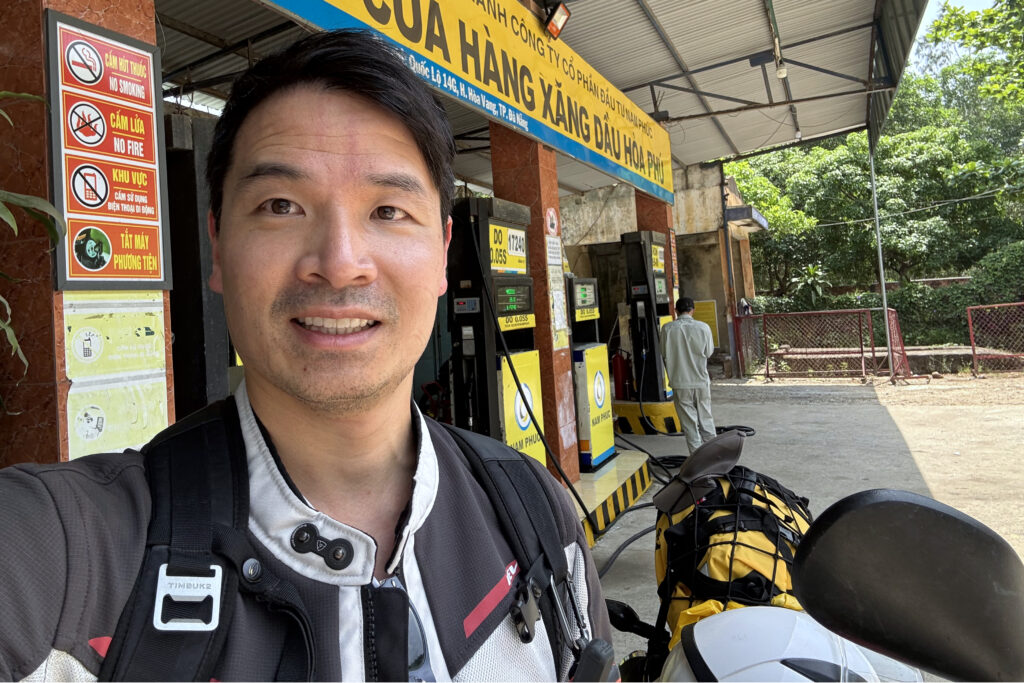
I snapped this photo during my very first fill-up at a Vietnamese gas station. It was a small but proud milestone at the start of my journey, a quiet testament to my early sense of accomplishment. Not long after, though, came my first casualty: my baseball cap. I had tucked it under the bungee net on top of my bag, but somewhere between the gas station and next stop, it wriggled free and vanished into the jungle. Farewell, old friend. 🧢
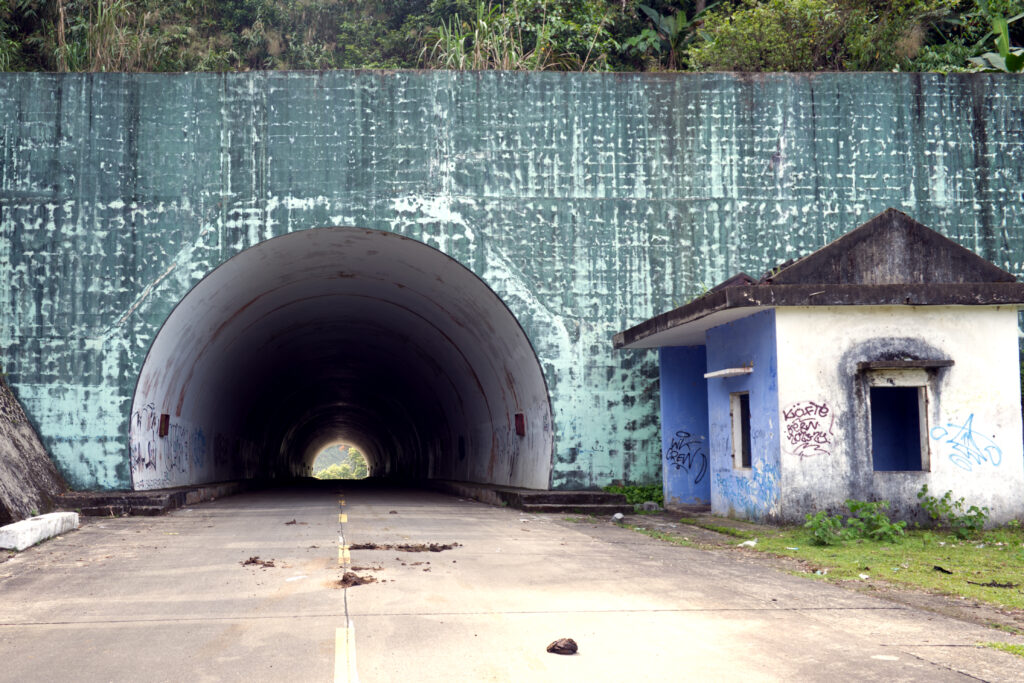
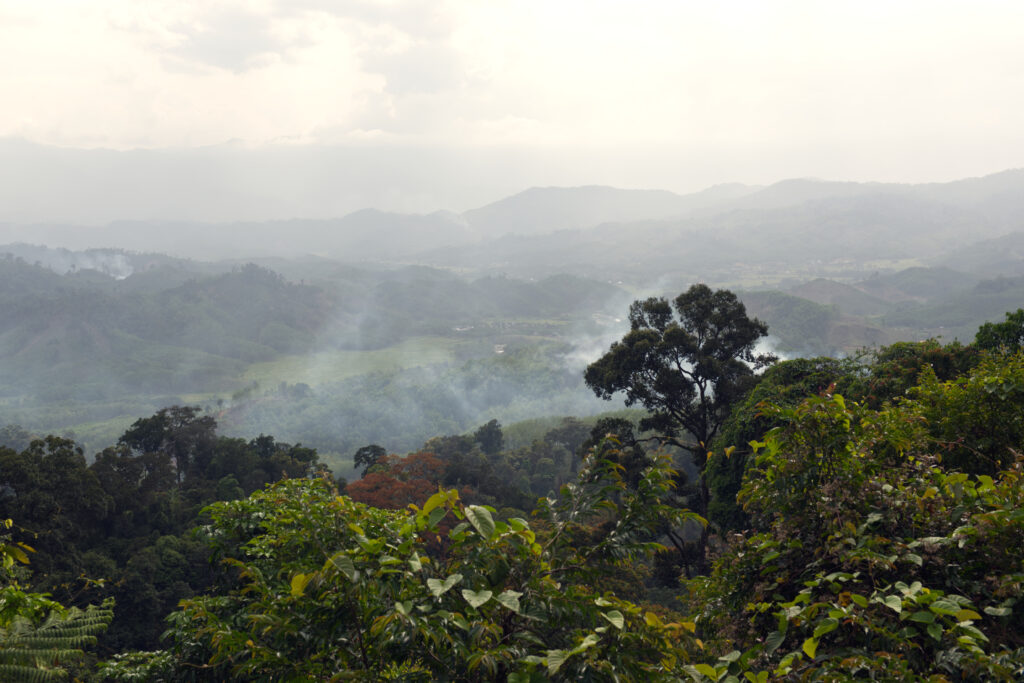
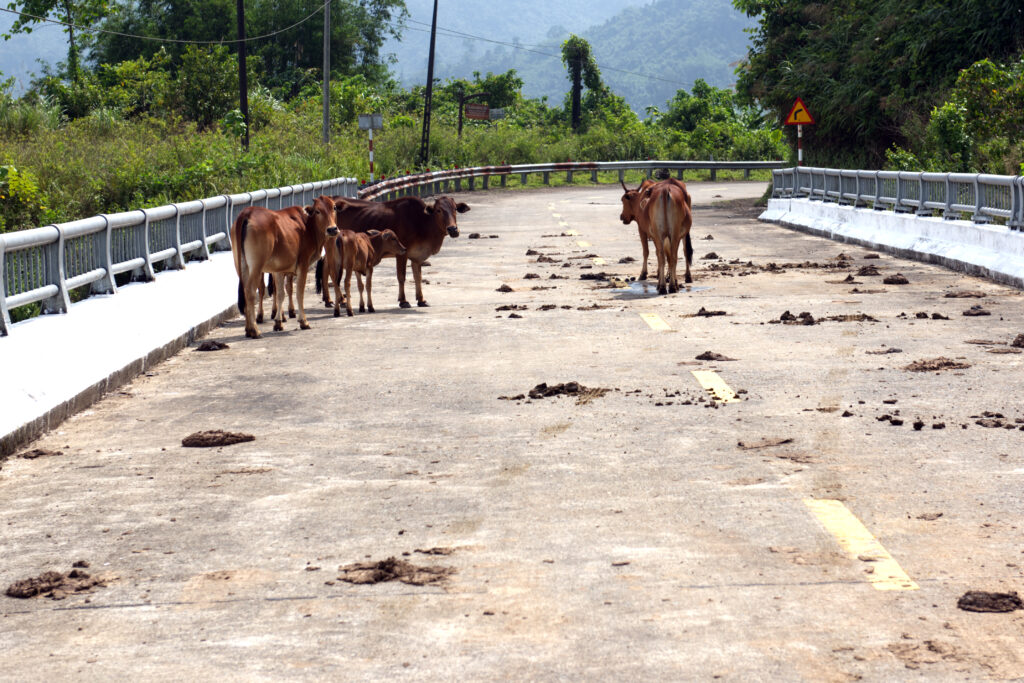
This stretch of the Ho Chi Minh Road took me deep into the Annamite Mountains near the Vietnam-Laos border, through lush mountains, valleys, and dense jungle. The terrain here is dramatic, thick forests, sweeping curves, and endless switchbacks. The roads are quiet, save for the occasional truck and the many animals that wander into your path.
In fact, I passed more farm animals than people. You really have to slow down for the constant hairpin turns, and the cow patties. Every time I had to swerve around a massive pile of dung, I wondered how many riders had wiped out on that very same spot. Probably more than a few.
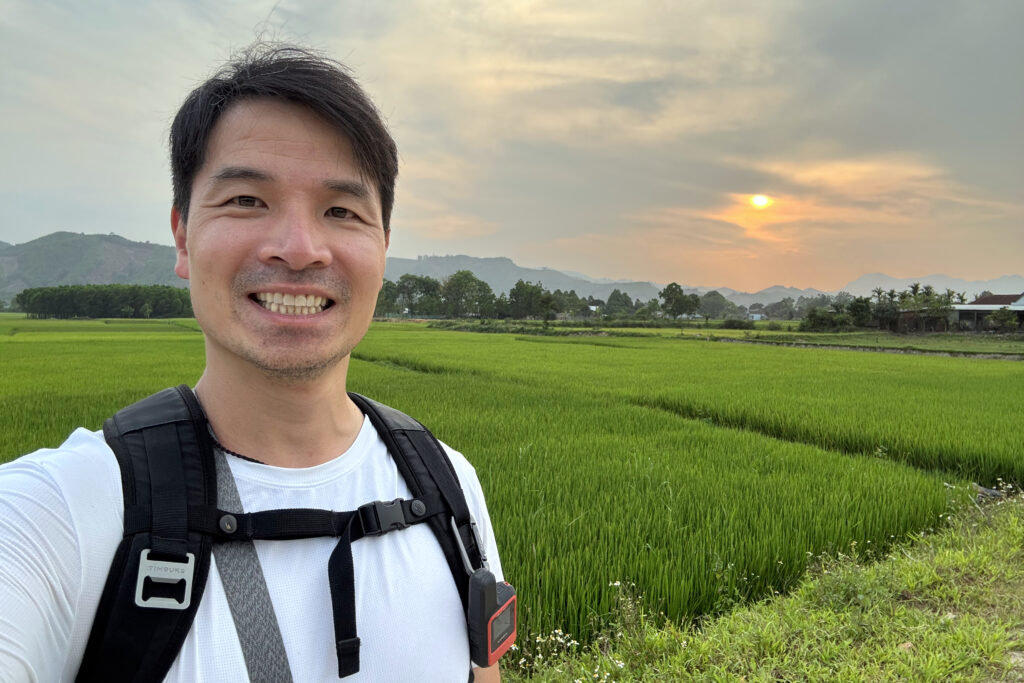
Eventually, I reached the rural town of A Luoi, nestled in the A Shau Valley. Once a major stronghold for the Viet Cong, this area was of huge strategic importance during the war. Its remote location and proximity to the Ho Chi Minh Trail made it an ideal base for operations and resupply.
Today, A Luoi is a quiet, predominantly agricultural town known for its ethnic minority communities, particularly the Ta Oi and Co Tu people, and its striking mountain landscapes. While tourism is still minimal here, the region offers a glimpse into rural Vietnamese life and the lingering legacy of war.
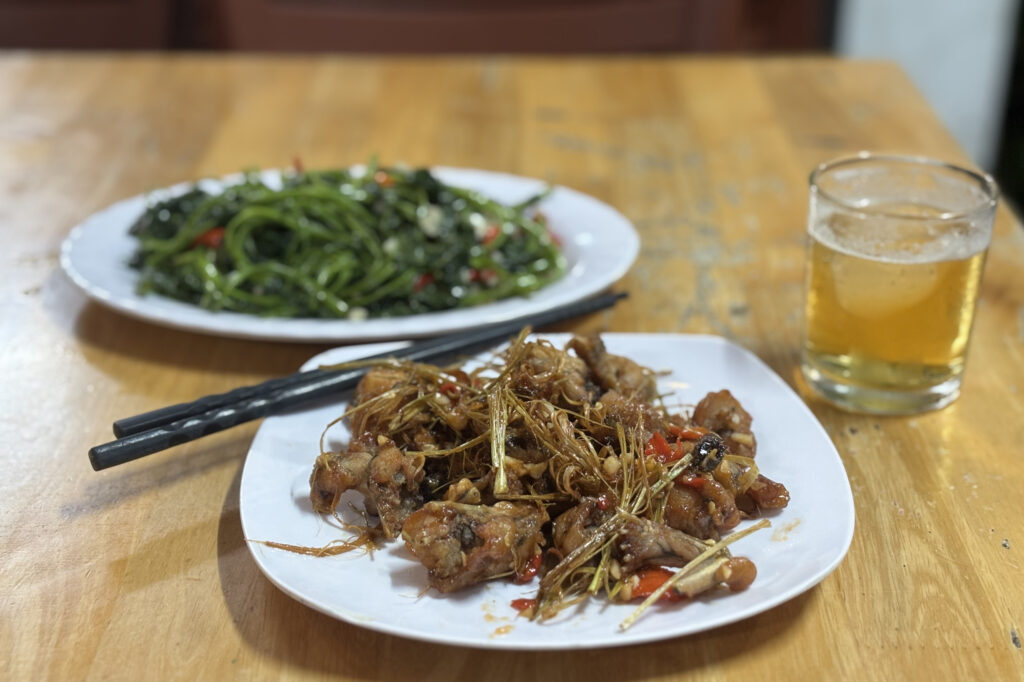
For dinner, I had BBQ. I was originally planning to eat at a place I’d seen in a YouTube video, but my homestay host took one look at it, shook his head, and pointed me to a different spot. I’m glad he did. I ended up with fried frogs, stir-fried vegetables, and some roasted pork (not pictured). I probably ordered more than I needed, but after a long day on the road, it totally hit the spot.
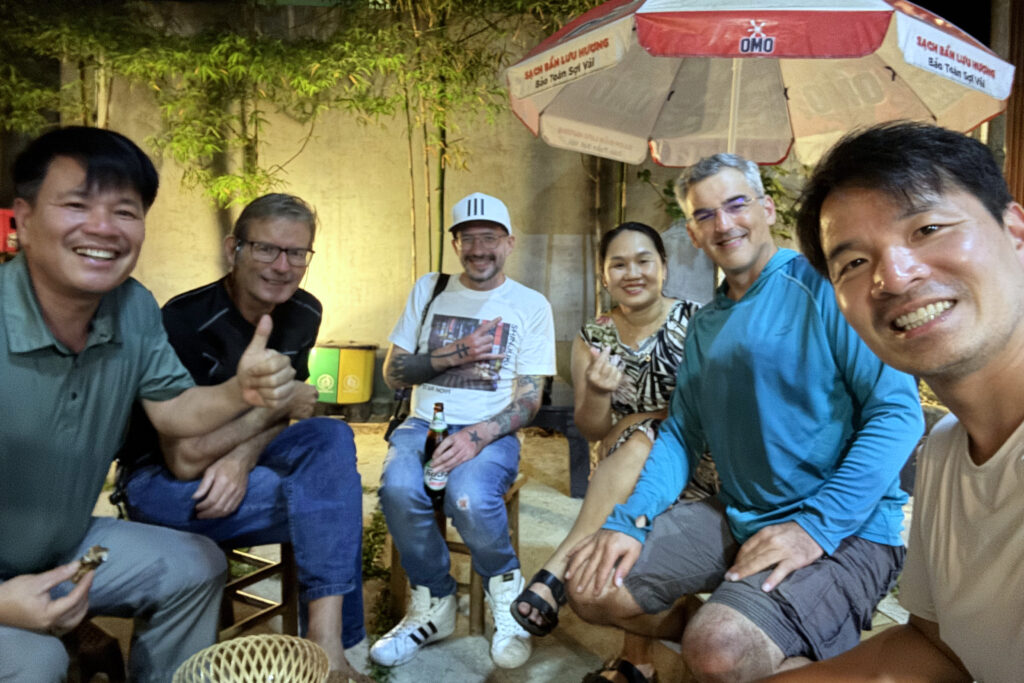
Later that evening, mm hosts invited me and a few other guests to join them for drinks and BBQ (my second round of BBQ that day). Nam, on the far left, and his wife, Thuy, third from the right, owned the guesthouse and couldn’t have been warmer. With the help of Google Translate, we ended up chatting for quite a while.
Among the guests, one American stood out. Dressed in blue, he spoke fluent Vietnamese, having studied it in college, worked in the country for more than twenty years, and still calls Vietnam home. Homestay Ngoc Tram was a true gem. I wouldn’t hesitate to stay there again!
Finally, my route from Da Nang to A Luoi (about 117 miles, or 189 kilometers).



Comments are closed.