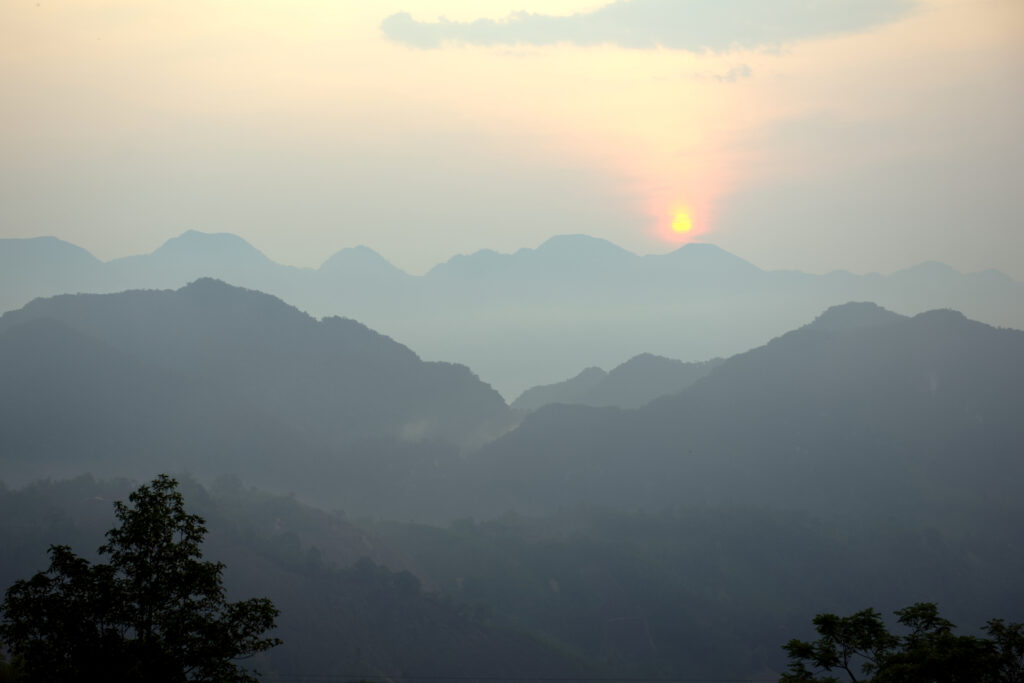
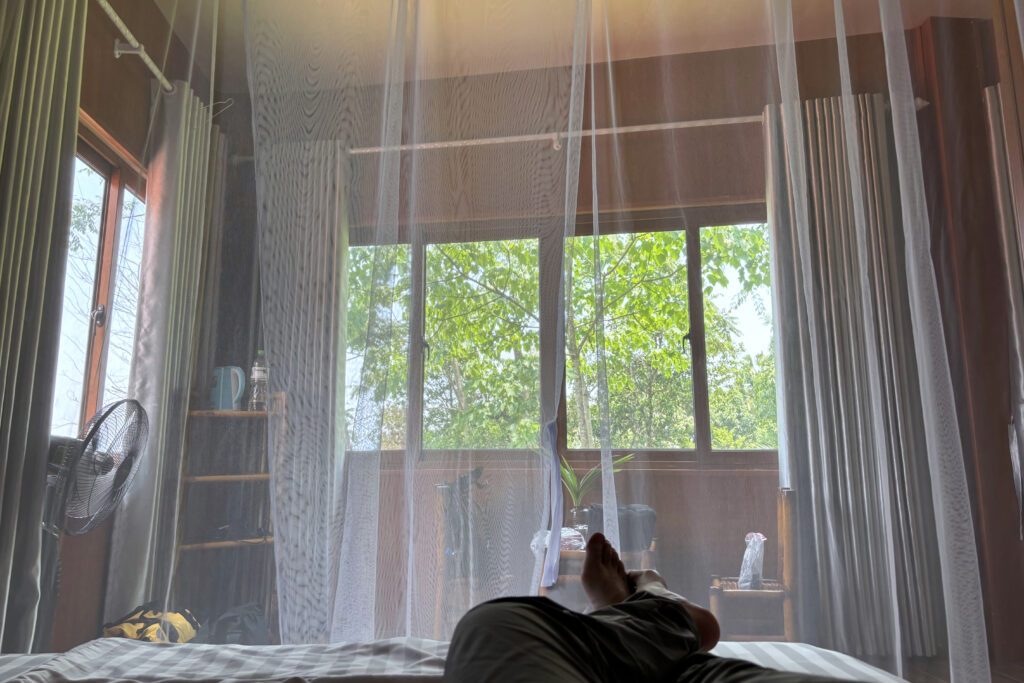
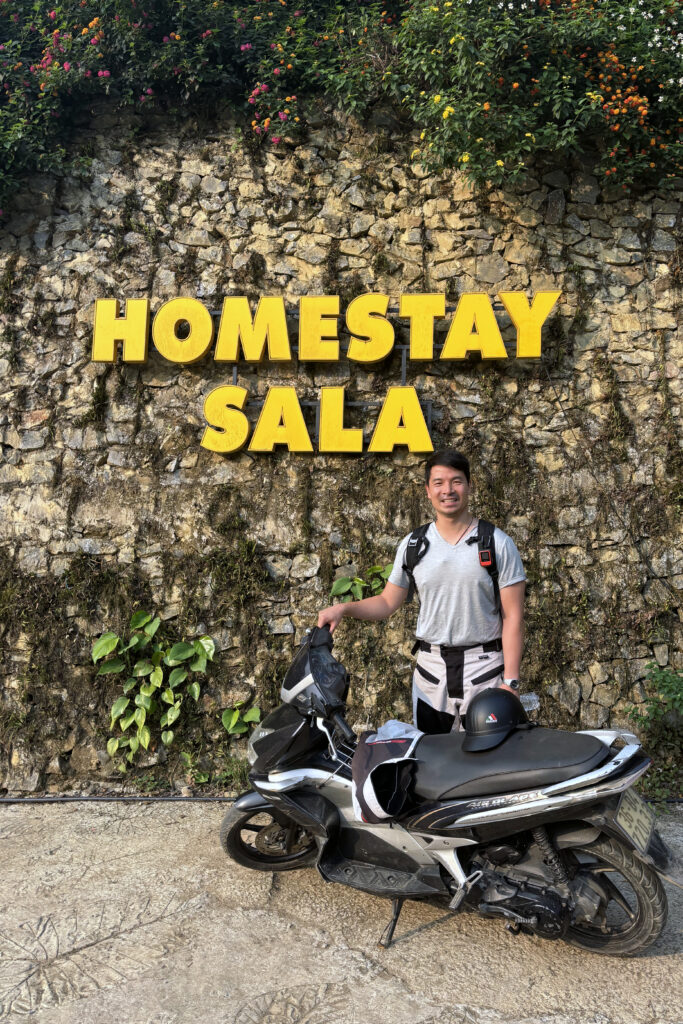
I’ve come to really like my place, Pu Luong Sala Homestay. They set me up in what might be their best room, a corner unit perched at the top of the property. In the mornings, I can see deep into the mountains. Today, the view was slightly hazy from controlled burns, small fires farmers light to clear leftover crop residue and enrich the soil ahead of harvest season. The smoke lingers in the air, softening the landscape. Still, it was a beautiful sight to wake up to.
The mosquito net in my room has also been a blessing. After a week of being eaten alive by bugs, spraying on so much DEET that my skin burned and my hands swelled, it was a relief to finally get a night of uninterrupted sleep. Last night might’ve been the best rest I’ve had in days.
Pu Luong is the kind of place people come to disconnect. Life moves slower here. For example, there are barely any Grabs (Southeast Asia’s version of Uber), and after waiting nearly 30 minutes, my host let me know I probably wouldn’t find one. Instead, she offered to rent me a motorbike. I’ve been hesitant about renting motorbikes in these rural areas, they’re usually in pretty rough shape, but this one, while old and creaky, was good enough to putt-putt around on. So I geared up and hit the road.
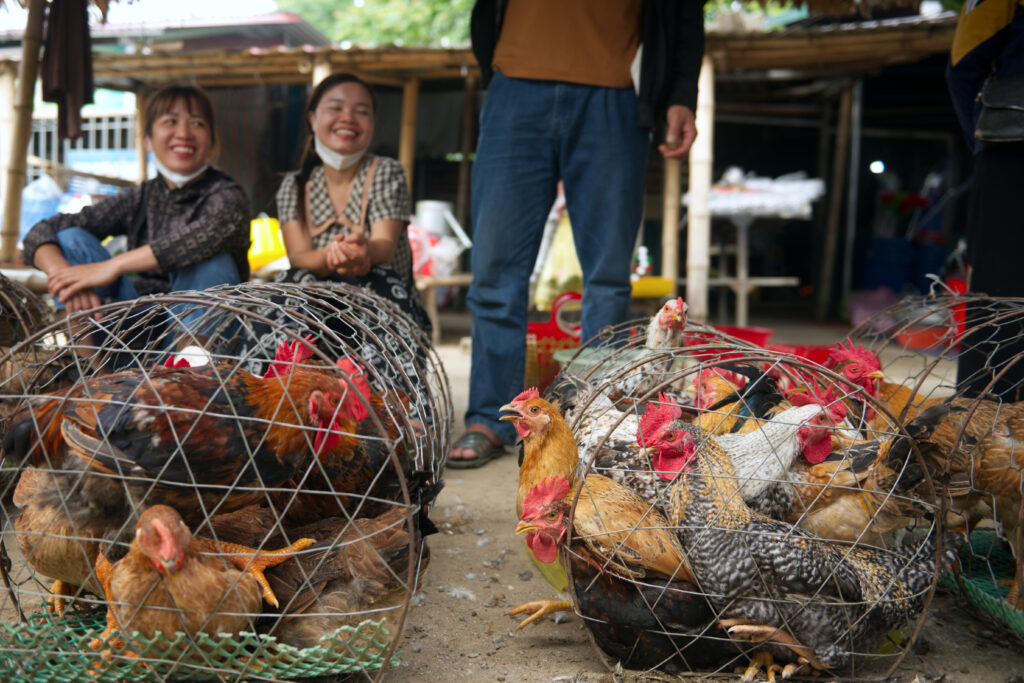
My first stop was Pho Doan Market, nestled in the valley near the village of Pho Doan. It’s a small but lively market that comes to life every Thursday and Sunday, drawing people in from surrounding villages. You’ll find everything here, fresh meats, vegetables, farming tools, clothing, and handmade goods. On market day, the whole community turns out. It’s not just a place to shop, it’s where people come to catch up.
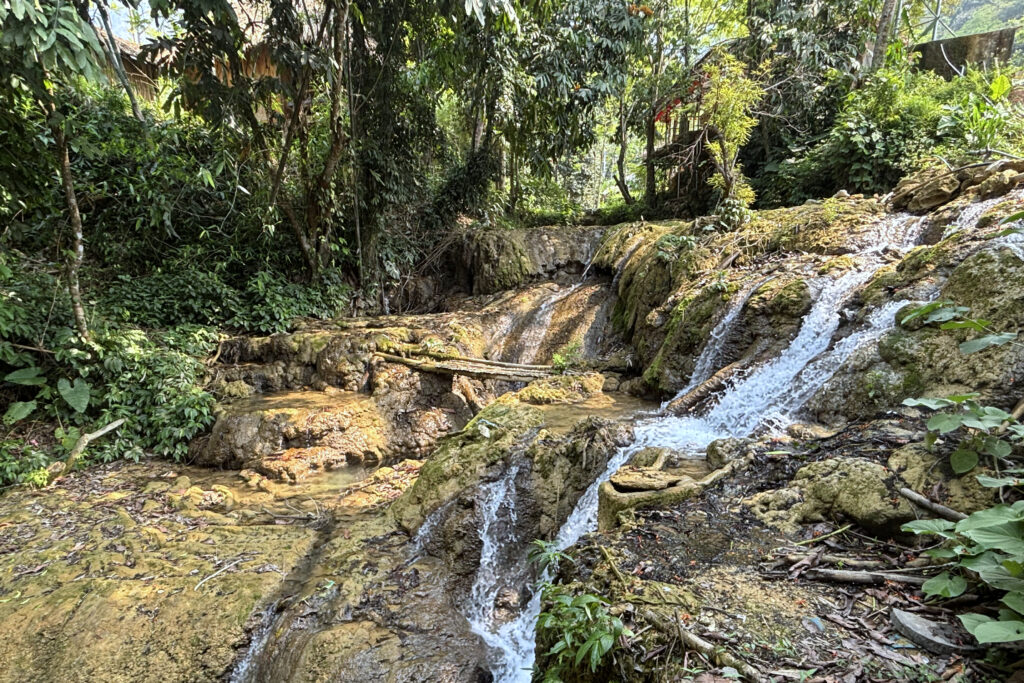
After that, I made my way to Hieu Falls, a small waterfall tucked into the hills just off the main road. It’s a popular stop for both travelers and local families, especially on hot days. After a morning of motorbiking, I grabbed lunch at a nearby homestay with a patio overlooking a quiet section of the falls. Then I dipped my feet in the water. It was surprisingly cold, a bit too chilly for a swim, but perfect for a quick cooldown.
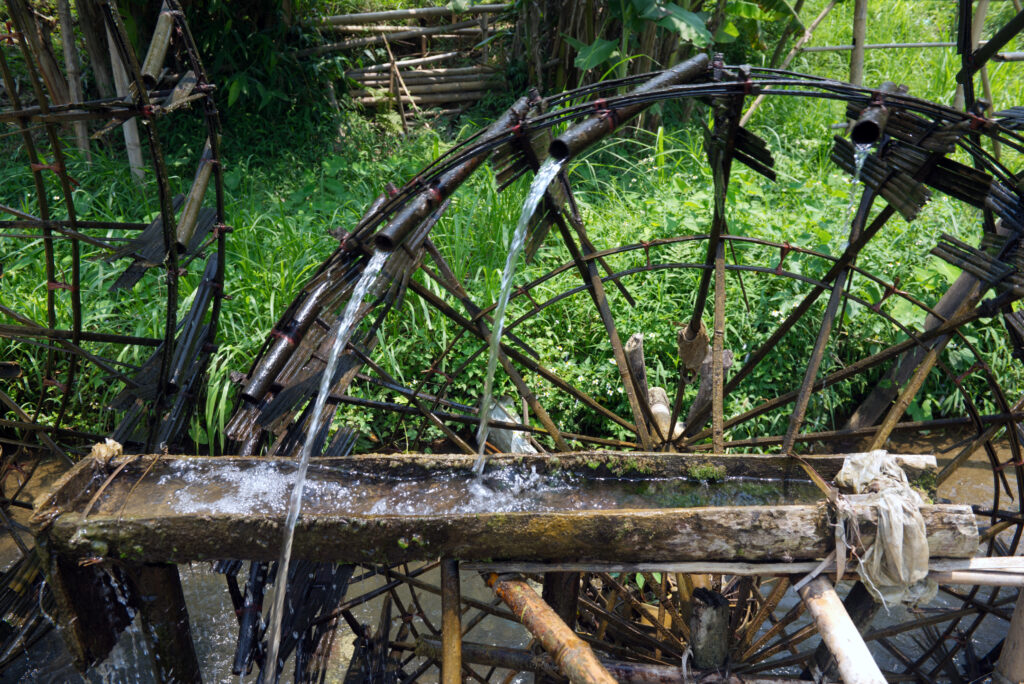
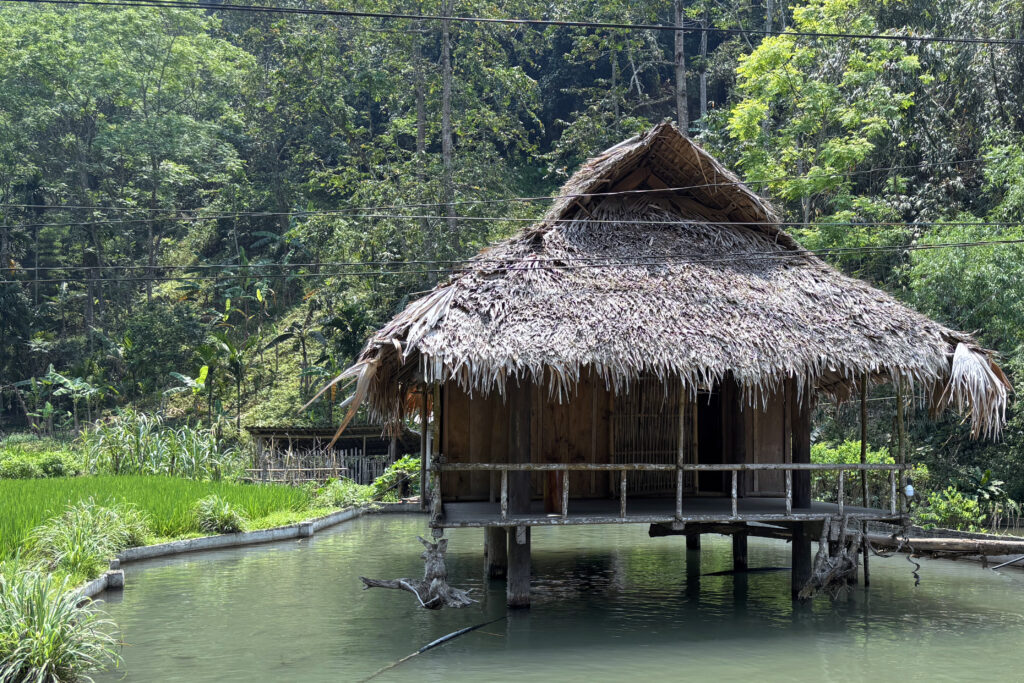
Later on, I made it to the water wheels in Suoi Tram. It’s a quiet village known for its traditional bamboo water wheels. These wheels have been used for generations to redirect stream water into rice fields. The village itself is serene, mostly home to Thai ethnic minority communities who still live in stilt houses and carry on a slower, agrarian way of life.
Stilt houses are a common sight in rural Southeast Asia, built on wooden or bamboo stilts to allow for ventilation and protection from flooding and pests. The space below is often used for storage, livestock, or even fish ponds, some families raise fish right beneath their homes. Made from local materials like wood and thatch, these homes reflect a simple, self-sufficient way of life that still persists in many traditional communities.
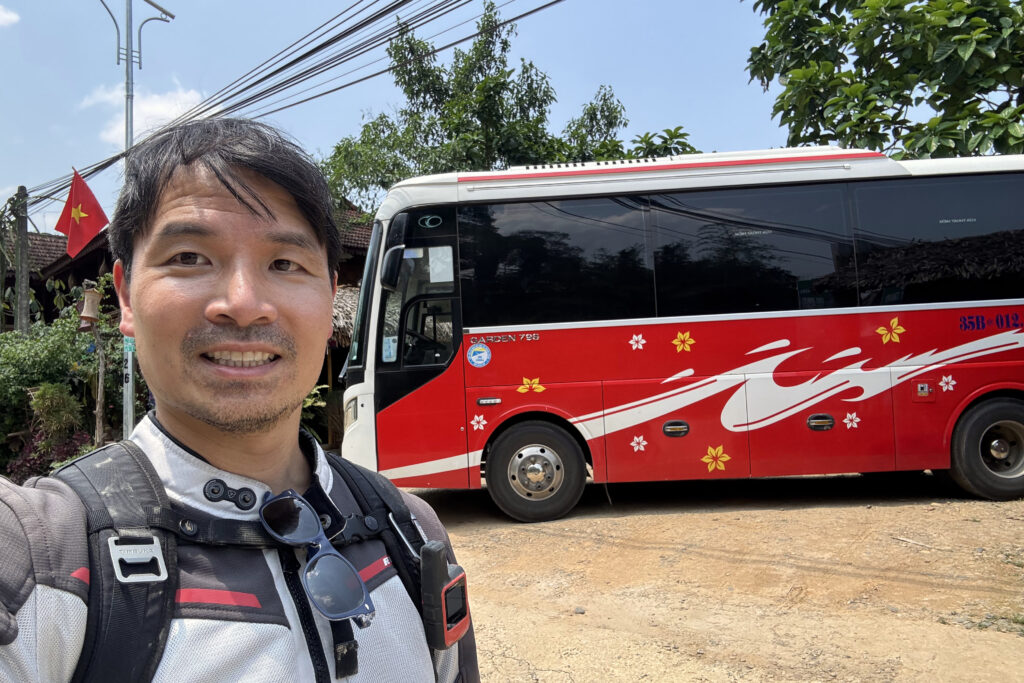
On my way back, I decided to ride just past my homestay. I’m near the crest of a mountain, but not quite at the top, so I figured, why not? When I got there, I spotted a bus parked outside a small complex. Curious, I asked if they had shuttle services to my next destination. To my surprise, they offered a very similar ride to one I had just booked, but shared, for a fraction of the cost ($8 USD vs. $32 USD). I canceled my private car on the spot. A small win, but it more than paid for the $6 USD motorbike rental.
All said and done, I’m really glad I gave in and rented the bike. It was too small, underpowered for the hills, and squeaky as hell, but it gave me the freedom to explore so much more of Pu Luong than I ever could’ve on foot. Sometimes, that’s all you need: two wheels and a decent sense of direction.
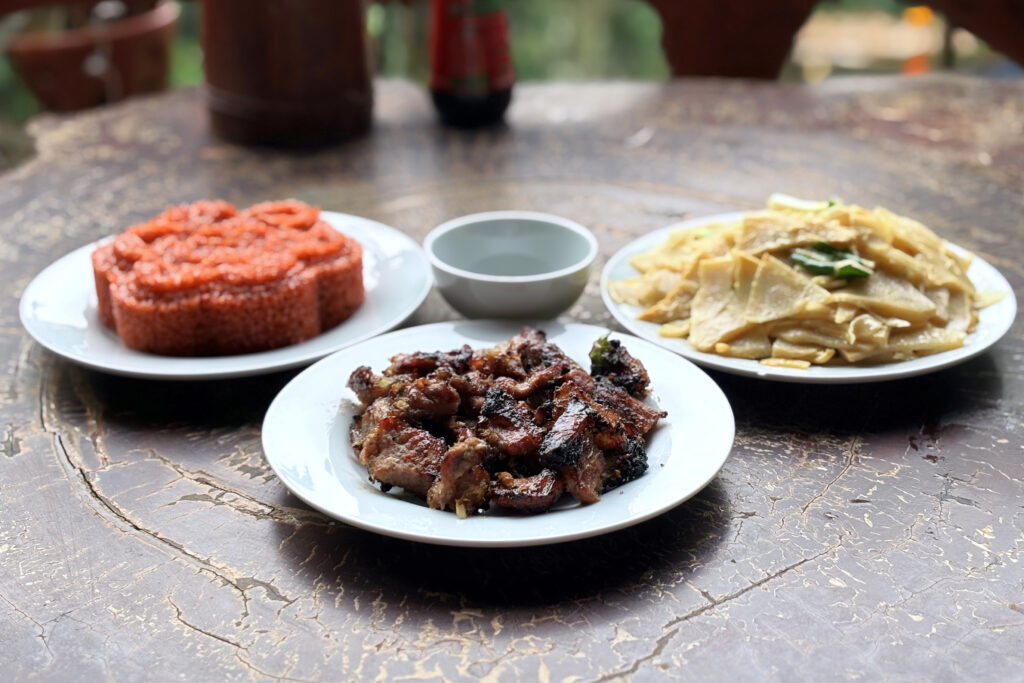
Finally, for my last meal in Pu Luong, I ordered grilled pork, sticky rice, and bamboo shoots. The pork is a traditional dish made from free-range hill pigs, marinated in local spices and grilled over an open flame for a deep, smoky flavor. The sticky rice is made from upland glutinous rice, prized for its fragrant aroma and chewy texture. These plates came together perfectly, and easily made this my favorite meal here.


Comments are closed.