
This entry is part 30 of 44 in the series Letters from Indochina

April 29, 2025

Letters from Indochina (Part 30)

By Simon J. Lau

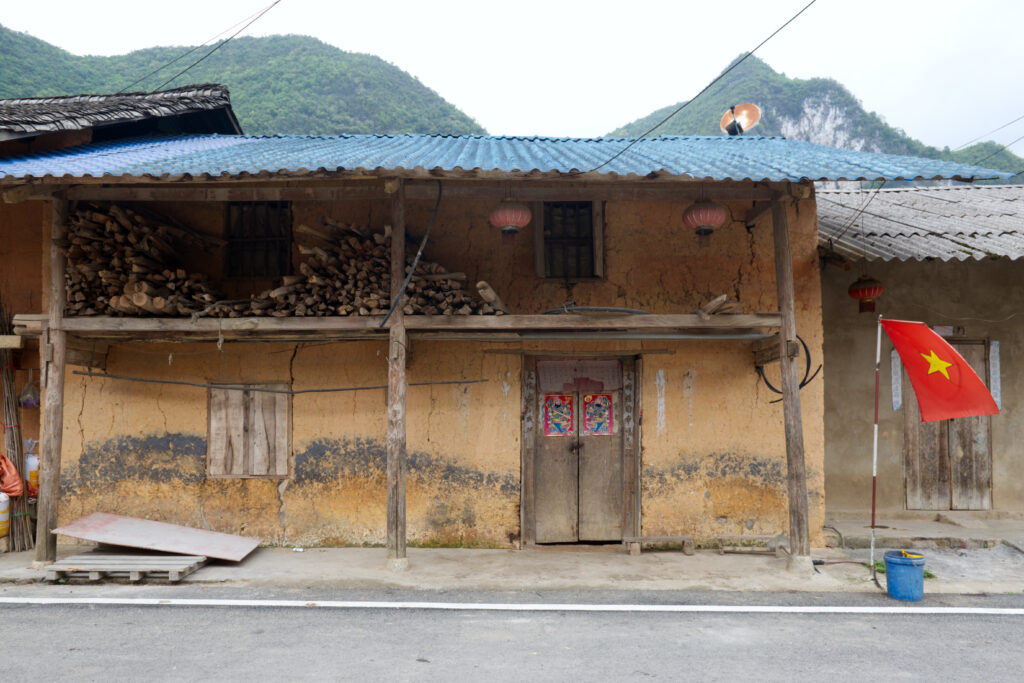
This morning I left Yen Minh and made my first stop in Pho Bang. It’s a small town near the Chinese border. Previously, it was an important trading hub between China and Vietnam, but those days have long passed. It’s little known now, but remembered for its old Chinese-style homes, low-slung, earth-toned buildings made of clay bricks or rammed earth, with wooden beams, tiled roofs, and inner courtyards. They’re weathered and quiet, but they still carry the feel of a different era.

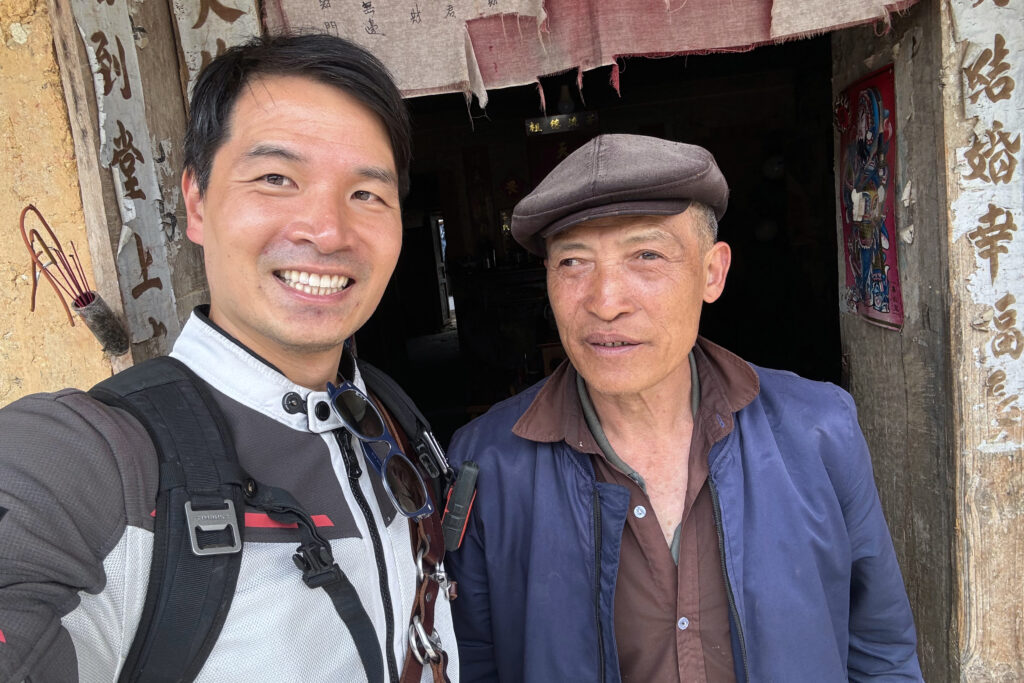
Many residents here are descendants of Chinese immigrants who settled here generations ago. In fact, as I was photographing, I saw an elderly gentleman heading into his house. I stopped him to ask a few questions and quickly realized he could speak Mandarin. We switched over and started chatting.

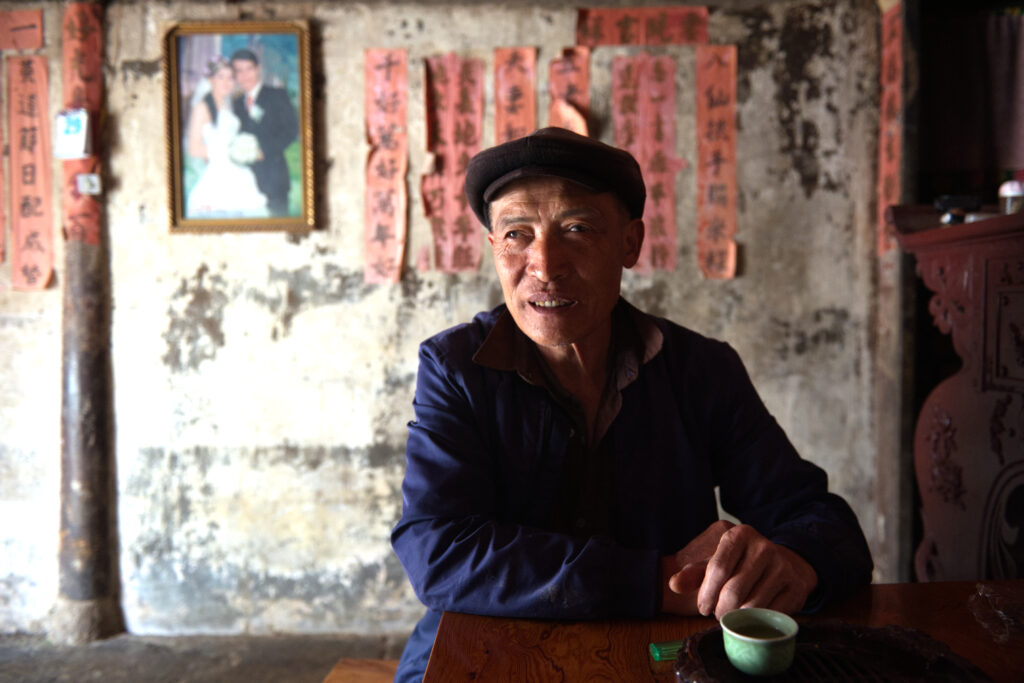
His family was originally from Sichuan province, the same province Jean’s family is from, but his father had moved to Vietnam over a hundred years ago. He was born and raised here. Eventually, he invited me inside to look around. The interior was modest but traditionally styled. In the living room hung a large portrait of his daughter, his only child, alongside her husband. Framing the photo were red Chinese wedding couplets, the kind typically used to decorate homes during marriage celebrations. I was surprised to learn he had written the calligraphy himself, which, for someone his age, suggested he was a well-educated for his time.

Afterwards, he invited me to have a seat and join him for some tea. I learned from him that Pho Bang used to be full of Chinese families. However, after China invaded Vietnam in 1979, most of them fled. That war, China’s way of “teaching Vietnam a lesson” after Vietnam overthrew the Chinese-backed Khmer Rouge in Cambodia, was short but brutal. It lasted less than a month but involved tens of thousands of troops, widespread destruction, and heavy casualties on both sides. China withdrew quickly, declaring its mission complete, but the fighting devastated towns along the northern border and deepened mistrust between the two nations.

The scars from the war ran deep enough that, for decades afterward, even Vietnamese citizens needed a special permit just to enter this northern frontier. Towns like Pho Bang were left isolated, their populations hollowed out, and whatever sense of cross-border connection had once existed all but faded. This man’s family fled during that time, but he eventually returned and built this home.

After we finished, I thanked him for his time and quietly said goodbye. He had clearly lived through a lot in his long life, war, displacement, and starting over, and yet here he was, sitting in his home, pouring tea for a stranger. There was something quietly resilient about that.

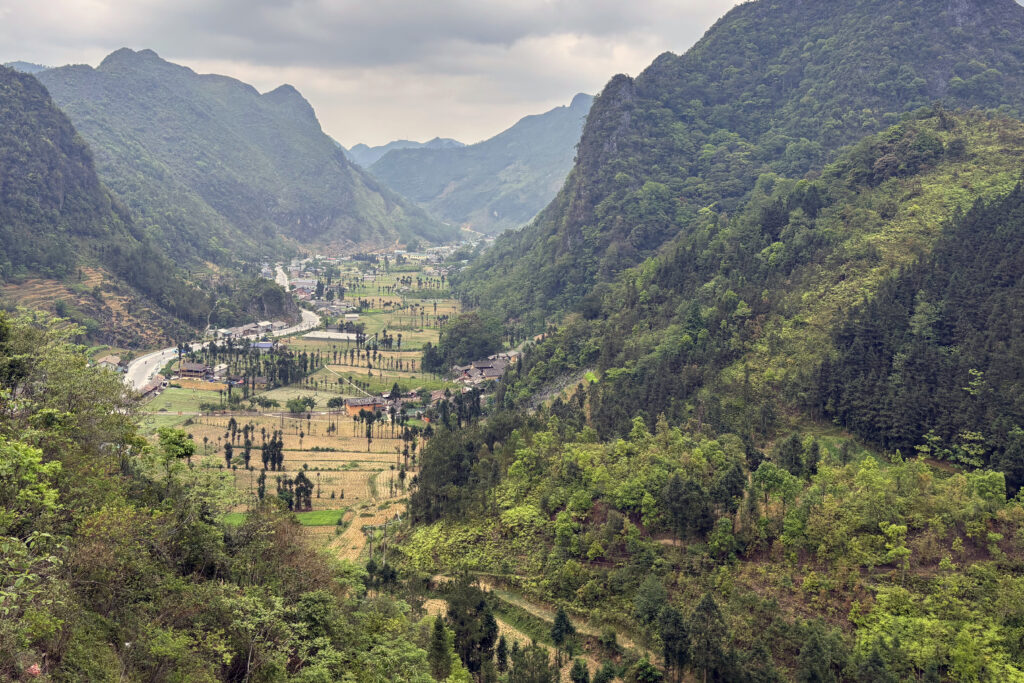
As I continued, I got caught in traffic, specifically, a huge truck pulled in front of me, spraying rainwater from its bed and slicking the road with grease. I’m not the most confident rider, so I pulled over to let traffic pass. Fortunately, I had stopped just above Sung La Valley, one of the most scenic stretches of the Ha Giang Loop, with clusters of Hmong homes, cornfields, and plum trees scattered across the hillsides. In the end, getting cut off turned out to be a blessing in disguise. Otherwise, I may have only caught a glimpse of the view on the way down.

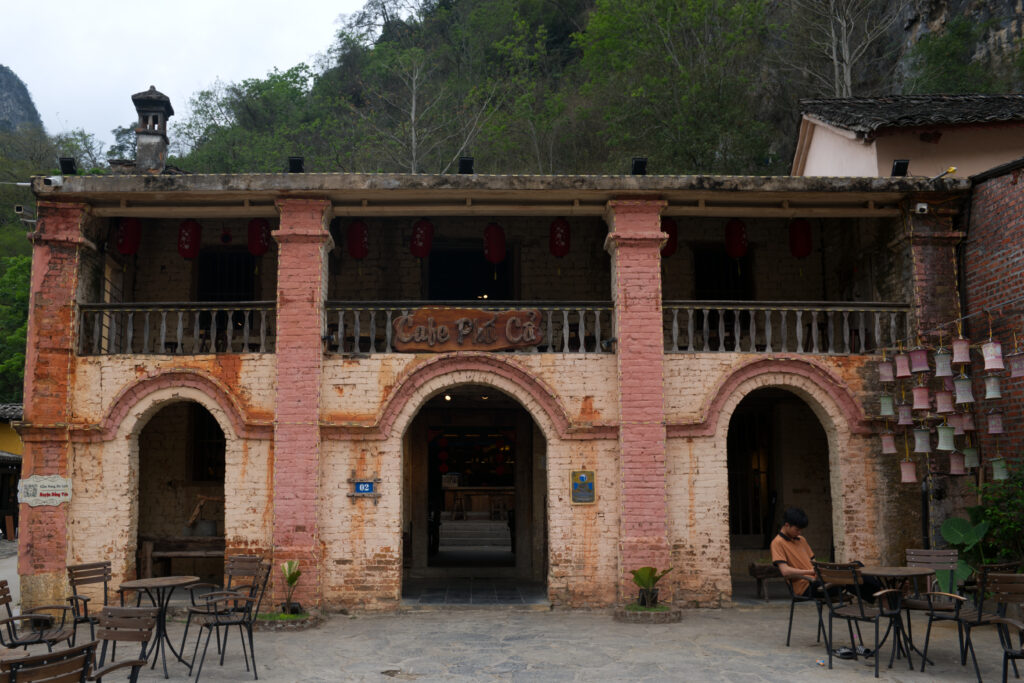
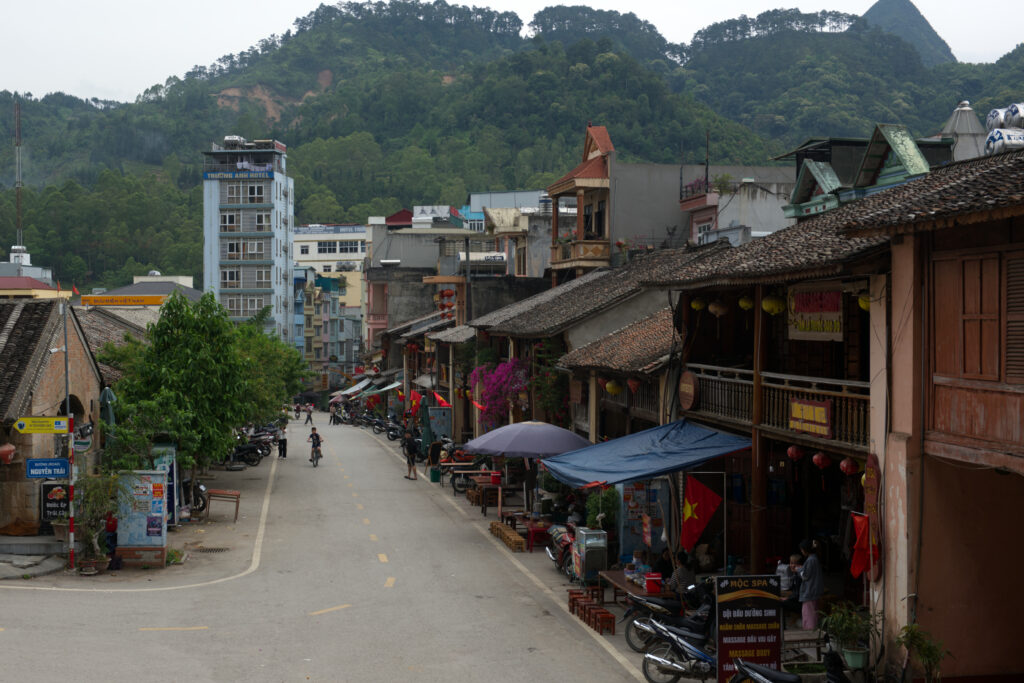
When traffic cleared, I made the short ride to my final stop for the day: Dong Van. It feels busier than the towns before it, but still small enough to walk across. I took a stroll through the Old Quarter, a short stretch where many of the original buildings have been preserved. One cafe caught my eye, a weathered structure dating back to the early 1900s, from when Dong Van served as a border trading post under French colonial rule. 

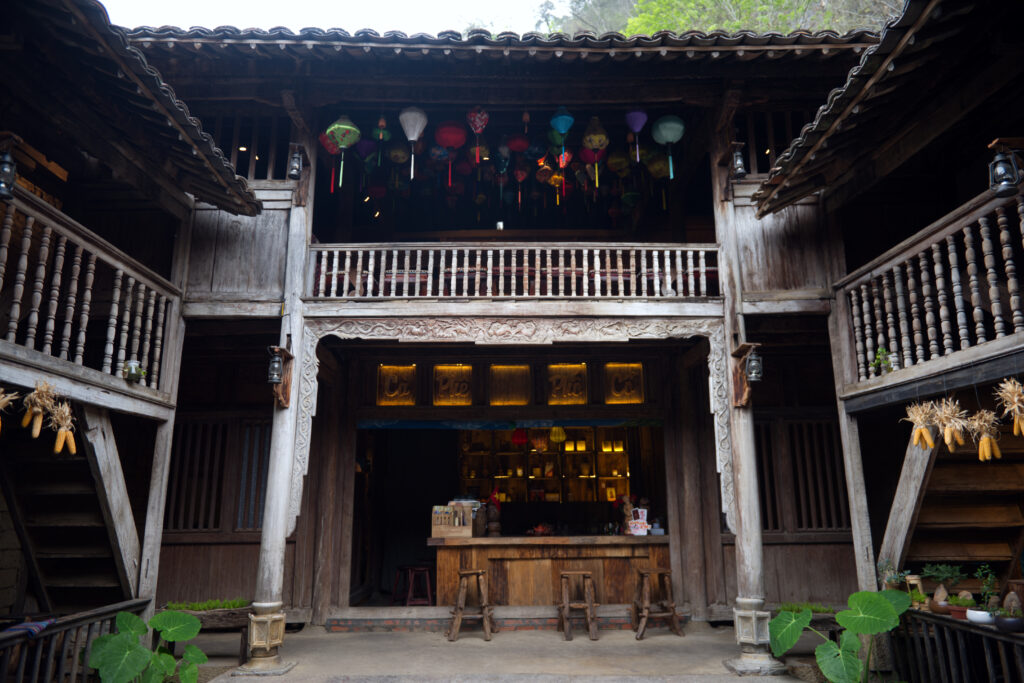
The building itself is a blend of French colonial architecture, arched doorways, a balcony above, mixed with Chinese architectural tradition. Step inside, and it opens into a central courtyard, with rooms arranged around an open-air center, a layout more typical of traditional Chinese homes. 

I grabbed a drink and sat out on the balcony, looking down at the street below. For a moment, it really did feel like I had slipped back in time.

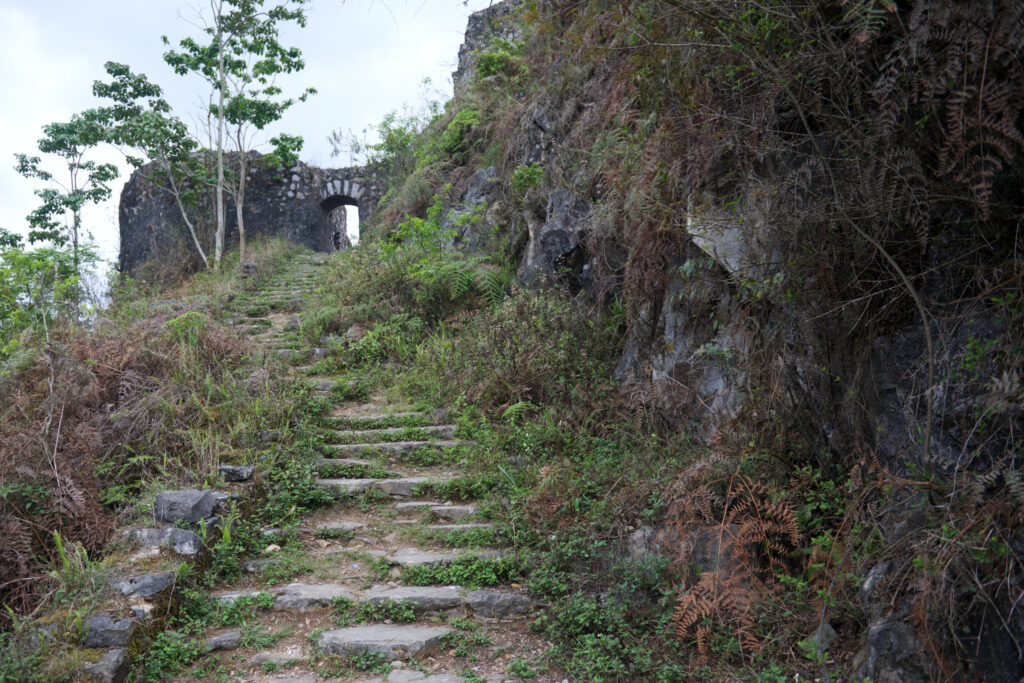
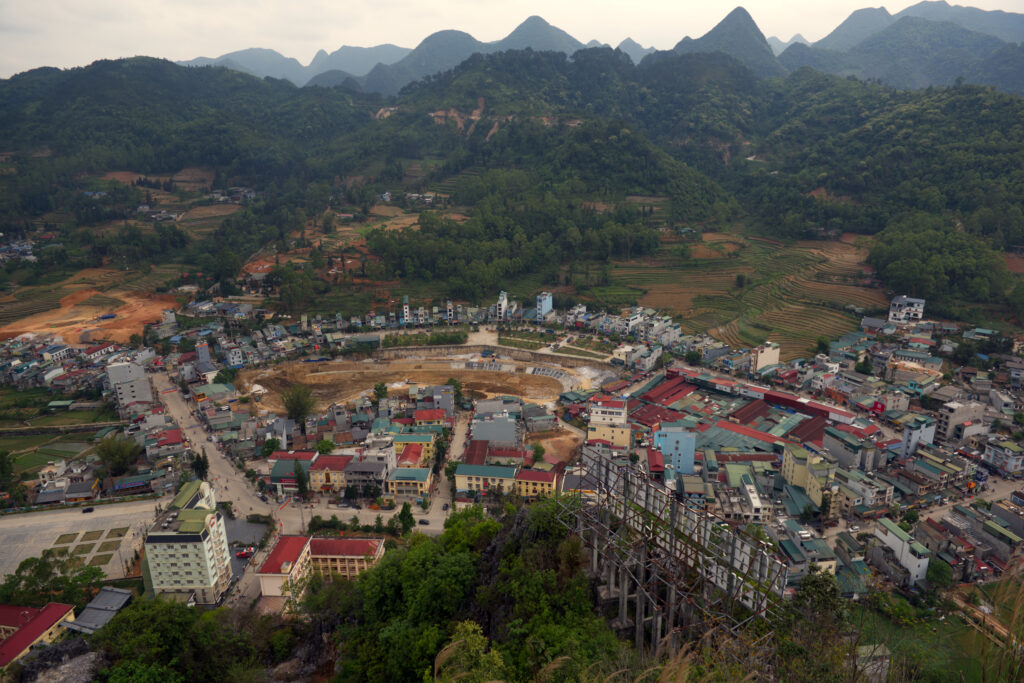
Later, I climbed up to the old French Fortress overlooking the town. Built during the colonial era to control the border region and monitor cross-border trade, especially with China, the fortress was part of a broader French military presence throughout northern Vietnam.

It sits at a strategic vantage point above Dong Van and still offers a full 360-degree view of the surrounding limestone peaks and the town below. The hike up was steep, but well worth it in the end.

Dong Van has been my favorite small town in Vietnam so far. With its Old Quarter and French Fortress, I’m surprised more hasn’t been said about it. Maybe people overlook it, or maybe they just don’t know how to appreciate it. Whatever the reason, it’s a fascinating place, understated, distinct, and absolutely worth visiting.

Finally, my route from Yen Minh to Dong Van (about 34 miles, or 55 kilometers). If you look closely, you can see just how close I am to the Chinese-Vietnamese border. At one point in Pho Dong, Google Maps even suggested a shorter route that would take me through China and back into Vietnam. I didn’t have the paperwork to make that happen, and I’m not even sure I could. From what I understand, only Vietnamese citizens living in these border regions are allowed to cross at points like this. Still, it gives you a sense of just how far north I’ve come.

Prev Letters from Indochina (Part 29)
Next Letters from Indochina (Part 31)

Comments are closed.