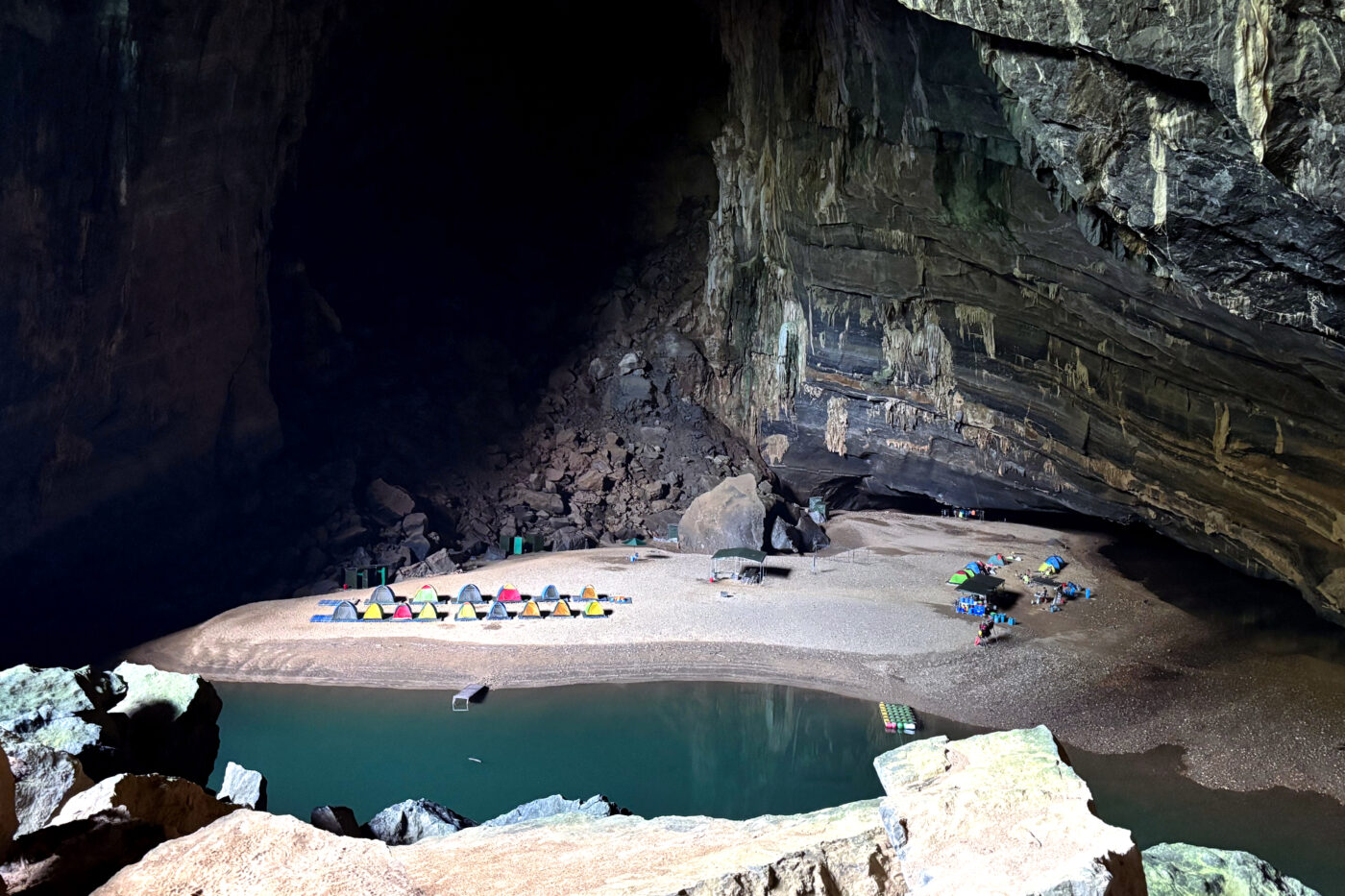
I made the long trek into Hang En today. To book this cave tour, the sales consultant asked me a whole series of questions about my activity level, and even requested “full body pictures” of myself. I couldn’t help but joke that it sounded more like a dating service than a trekking tour (and if so, my wife definitely wouldn’t be too happy). She reassured me it was strictly to assess my fitness. This trek isn’t for the faint of heart: it’s long, hot, and demanding.
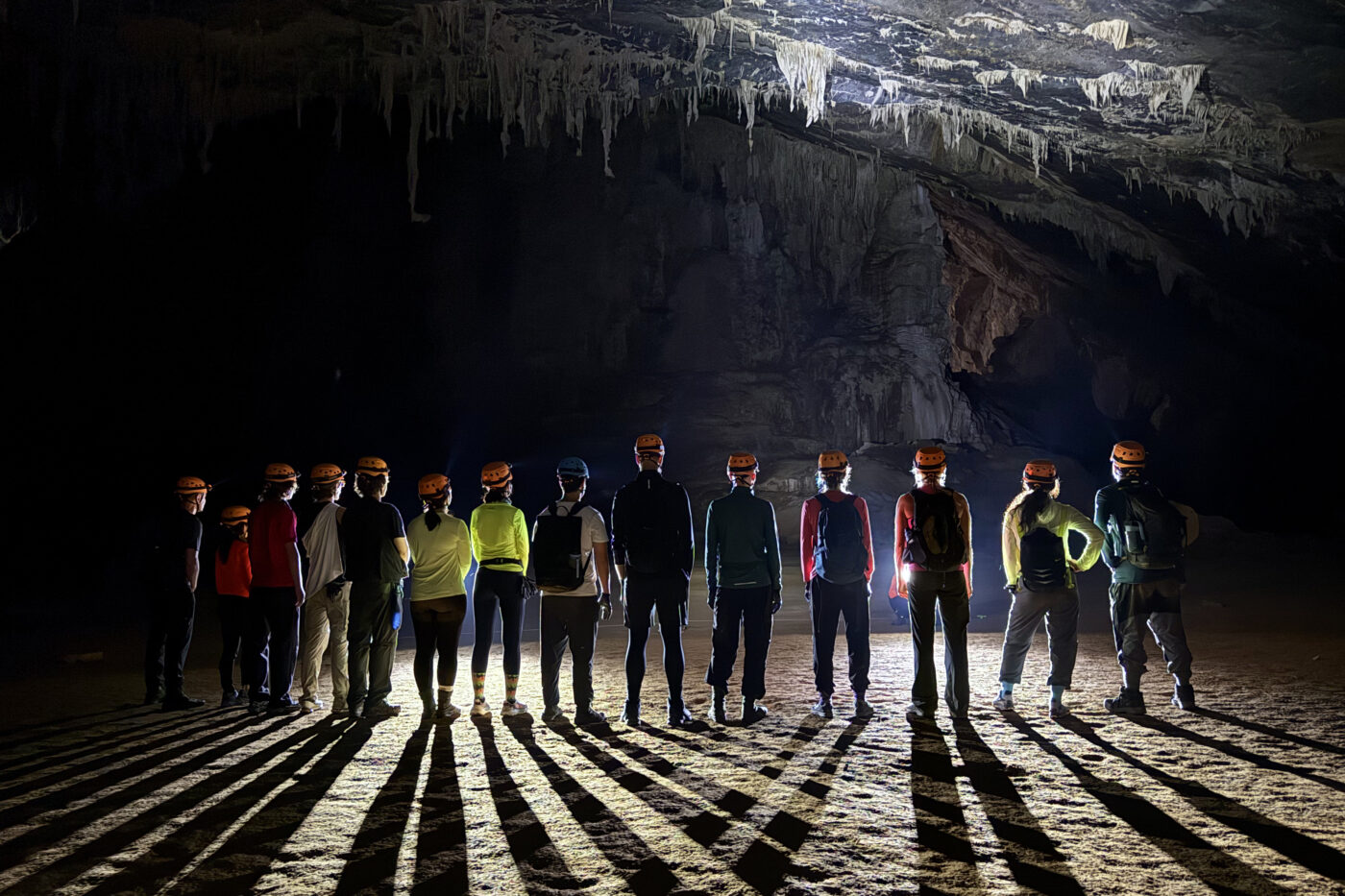
This morning we made the ascent deeper into Hang En. It’s about a 1-mile (1.6-kilometer) trek. It doesn’t sound long, but the trail includes several steep ascents. Add to that the fact that the ground was moist, making the rocks very slippery. In many areas, if you were to slip, you wouldn’t just fall, you’d slide a long way down before your limp body came to a rest. Fortunately, we were all fit enough to avoid that level of sudden death.
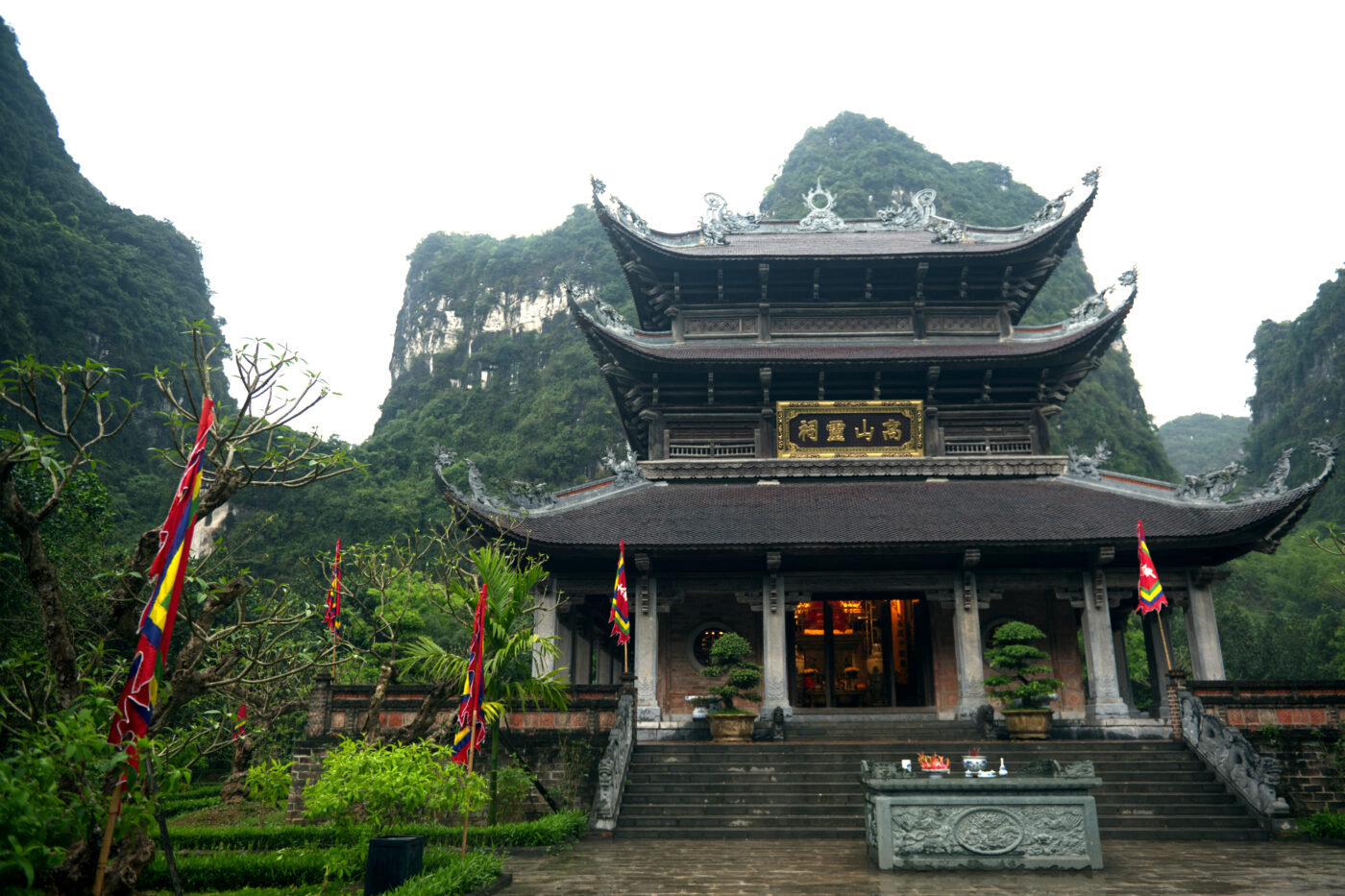
This morning at 5 a.m., I rolled into Ninh Binh, a small city in northern Vietnam. While the city itself is fairly unremarkable, the surrounding countryside is what makes Ninh Binh famous: massive limestone cliffs rise straight out of endless fields, creating one of the most iconic and photographed landscapes in Vietnam. Right now, I’m just a little ahead of the season. The paddies aren’t golden yet, but passing by them today, it wasn’t hard to imagine how breathtaking they’ll look when the rice is fully in bloom.
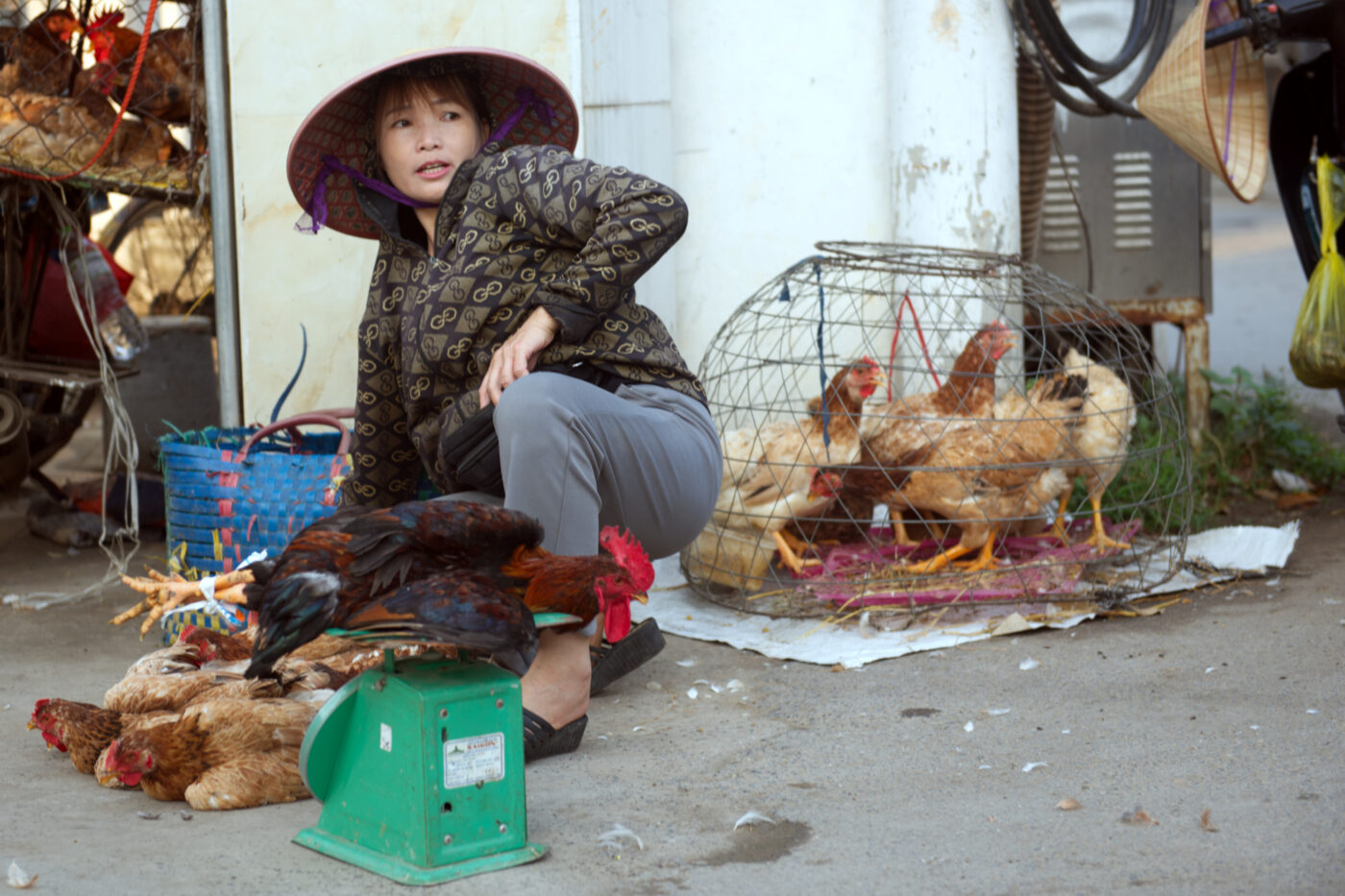
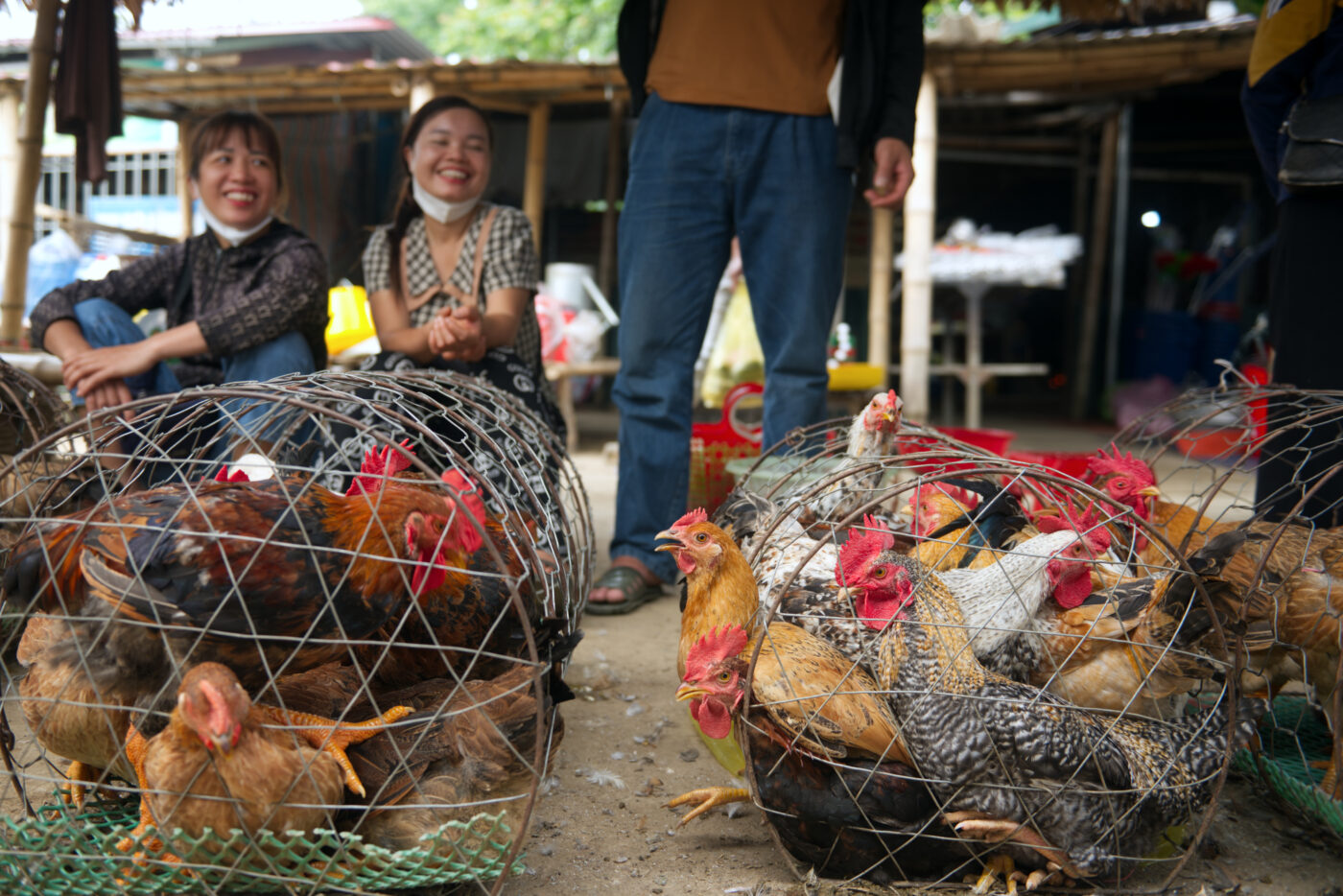
This morning, I visited a local market in Ninh Binh. I’ve always enjoyed morning markets, there’s something about watching locals shop for their daily groceries that feels more genuine than the curated tourist experiences. One vendor stood out to me in particular: she had two cages full of chickens, one on the ground and the other strapped to the back of her moped. When I passed by a second time, a customer had already bought nearly half of her stock, including her only rooster.
I’ve come to really like my place, Pu Luong Sala Homestay. They set me up in what might be their best room, a corner unit perched at the top of the property. In the mornings, I can see deep into the mountains. Today, the view was slightly hazy from controlled burns, small fires farmers light to clear leftover crop residue and enrich the soil ahead of harvest season. The smoke lingers in the air, softening the landscape. Still, it was a beautiful sight to wake up to.
This morning I left Pu Luong. While waiting for my van, I spent a bit more time chatting with my host. He told me he purchased this stilt home from another village and had it carefully disassembled, transported, and reassembled at its current site. When I asked why he didn’t just build something new, he explained that it would be difficult to replicate this traditional Thai style from scratch.
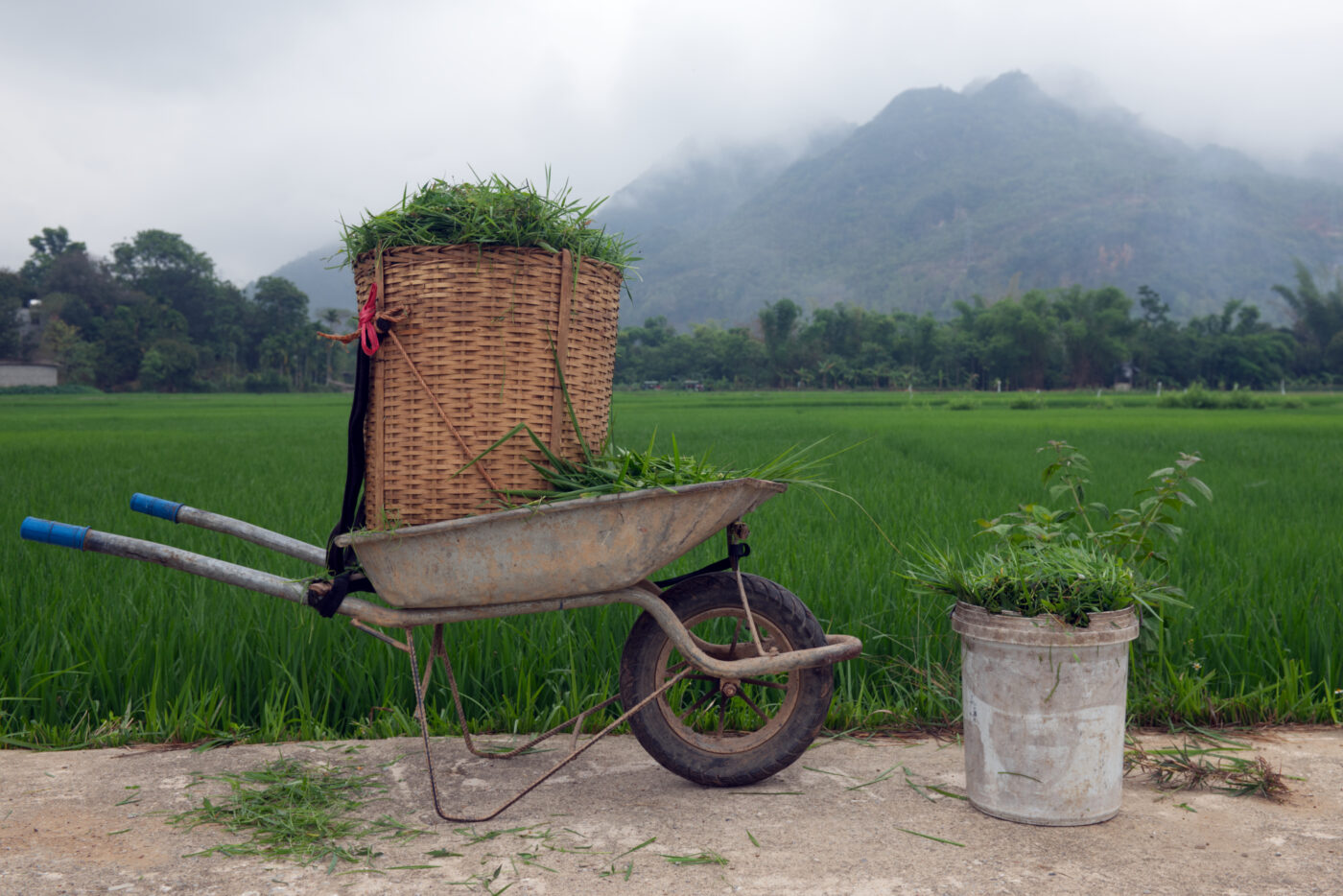
This morning I spent time observing the early morning rituals of village life. Out in the fields, I noticed many people weeding the rice paddies. Weeding is essential for rice farming, if left unchecked, weeds can choke out young rice plants and rob them of vital nutrients. Farmers often collect them for practical uses: some are edible, others have medicinal uses, and many are collected as feed for livestock.
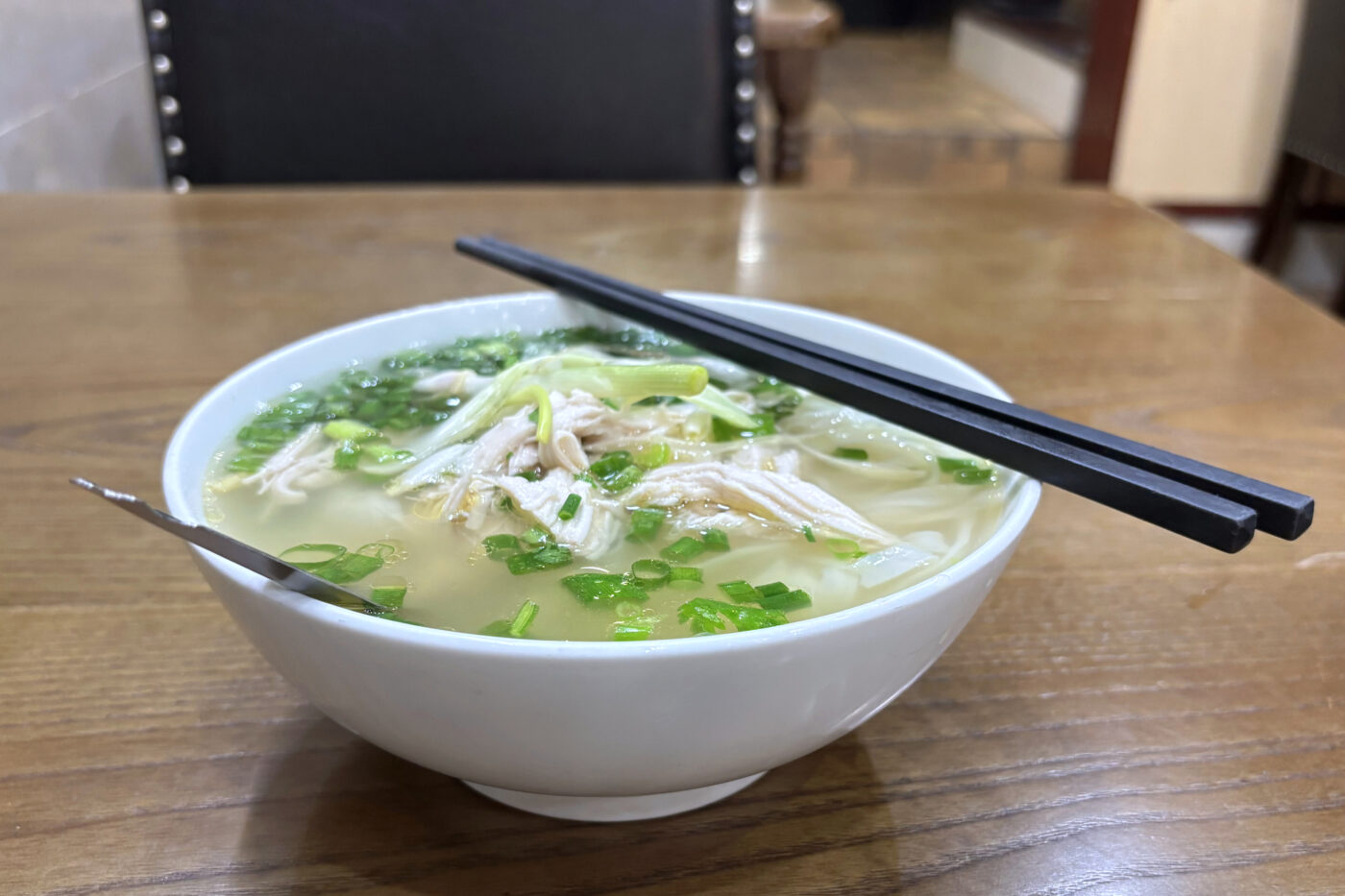
This morning, I had my first taste of northern-style pho in a long time. Northern pho is simpler than its southern cousin, the broth is cleaner, the toppings are minimal, and it usually comes with just a few herbs. Southern pho, which is what most Americans are used to, tends to be heavier, sweeter, and loaded with garnishes like bean sprouts, basil, and hoisin sauce. Eating it again reminded me how much I prefer the broth of northern-style pho.
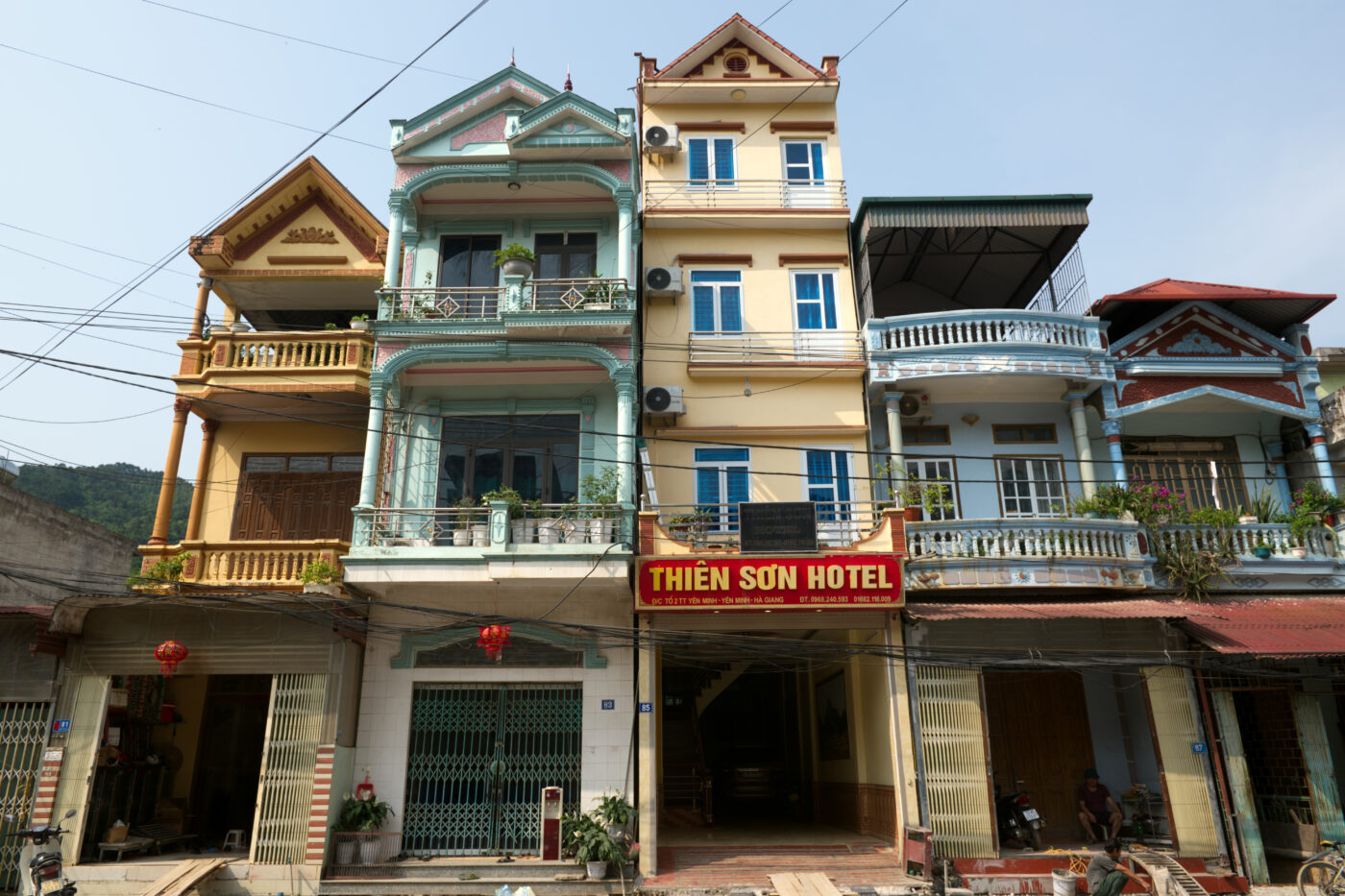
Today, I set off on the Ha Giang Loop! To keep with the Vietnamese food theme, I present to you my riding partner: Bun Bo (short for bun bo hue, a Vietnamese noodle dish). Like Banh Mi, she’s another Honda XR150. I’ve grown to like these little underpowered dirt bikes, they’re simple, reliable, and perfect for trips like this.
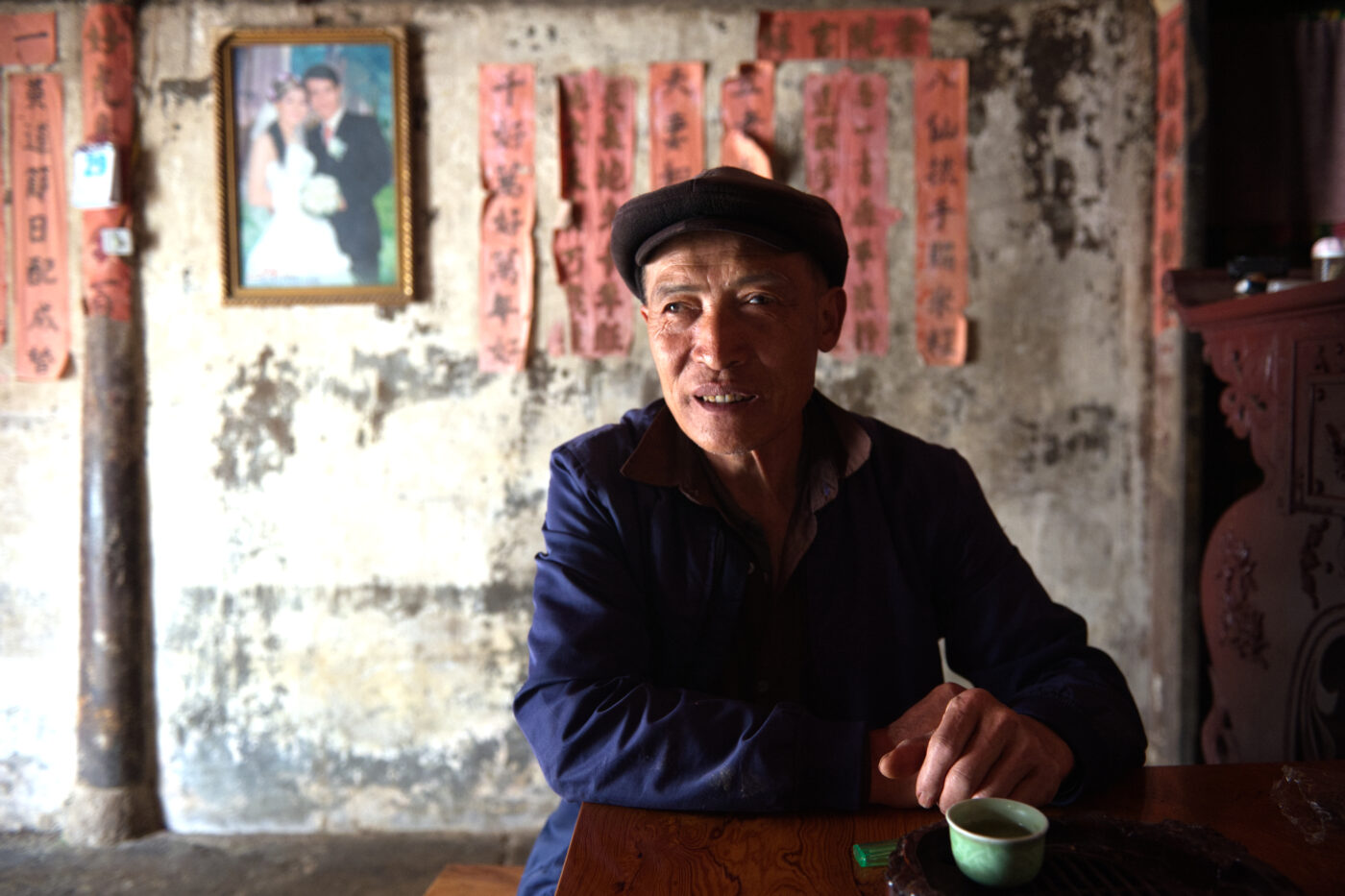
This morning I left Yen Minh and made my first stop in Pho Bang. It’s a small town near the Chinese border. Previously, it was an important trading hub between China and Vietnam, but those days have long passed. It’s little known now, but remembered for its old Chinese-style homes, low-slung, earth-toned buildings made of clay bricks or rammed earth, with wooden beams, tiled roofs, and inner courtyards. They’re weathered and quiet, but they still carry the feel of a different era.
Error: No feed found.
Please go to the Instagram Feed settings page to create a feed.