
June 1, 2023
Stories from China (Part 18)
By Simon J. Lau
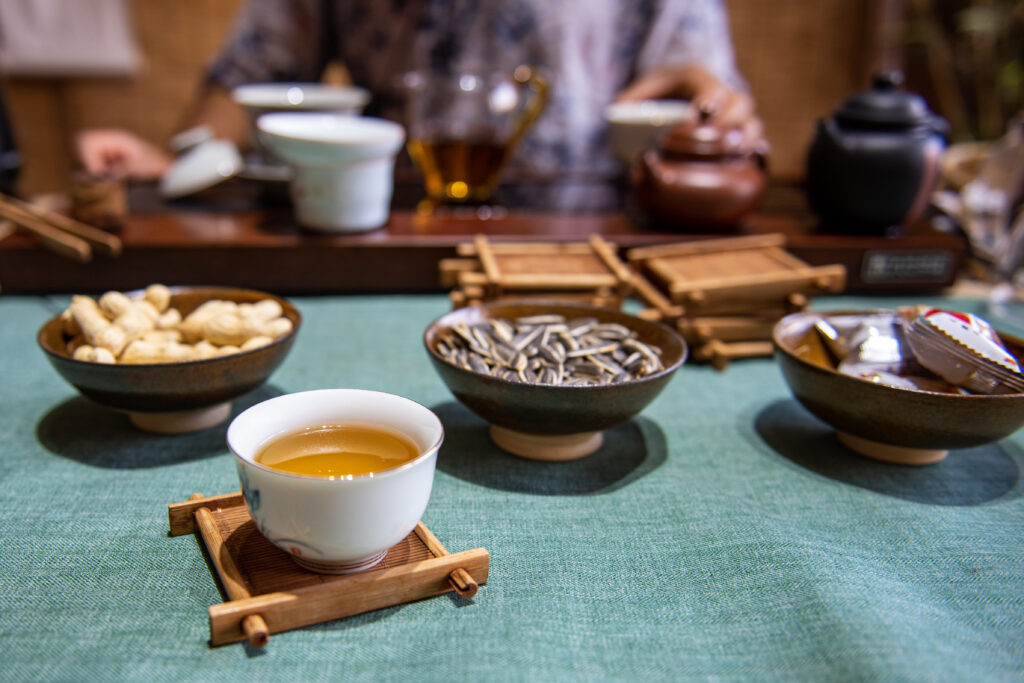
Yunnan, along with Fujian, is one of the two provinces most celebrated for tea in China. Today, I visited a popular tea house where my host, whose family has been steeped in the tea trade for generations, guided me through several varieties, each with its own story and flavor.
Beyond the teas, our conversation turned to the lives of ethnic minorities in China. My host explained that although her hukou, China’s household registration system, lists her as Han Chinese, she is of mixed heritage, a common story in Yunnan where ethnic diversity runs deep. Her husband is Bai, one of the region’s prominent ethnic minorities, and their child’s hukou officially records him as Bai.
China officially recognizes 55 ethnic minority groups, which together account for less than 10% of the population. Minority status comes with certain advantages such as easier access to higher education, employment opportunities, and other forms of affirmative action. As a result, legitimate claims to minority status are highly valued in China.
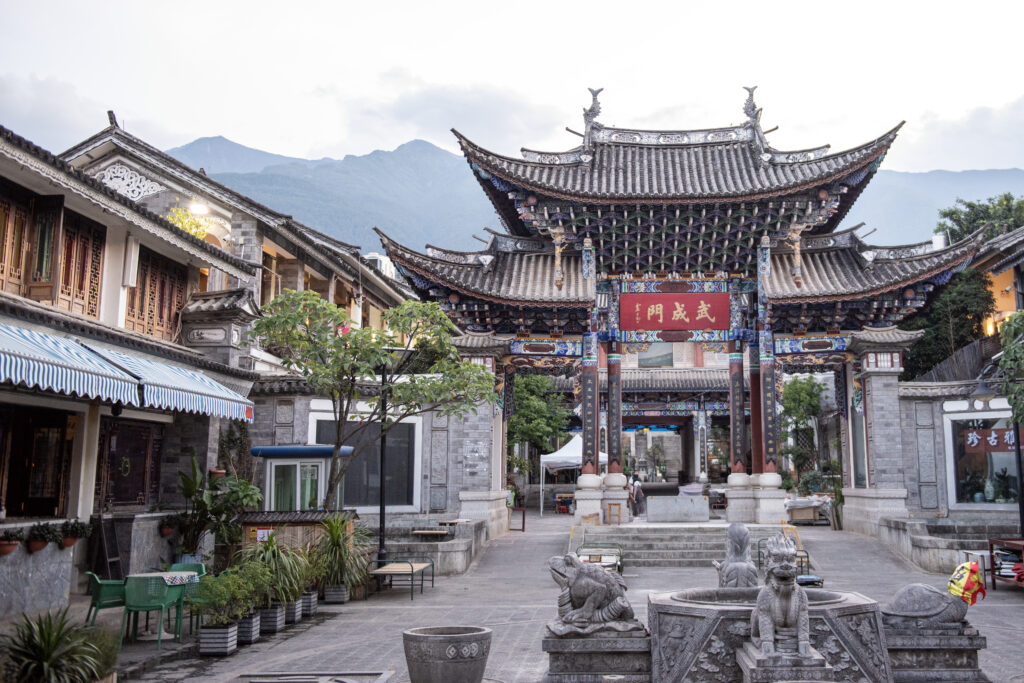
Later in the day, I explored Dali’s old town, where cobblestone streets wind past traditional Bai-style homes, teahouses, and small shops. Near the center stands Wuchengmen, the ceremonial gate of the Wumiao Temple, its tiled eaves and painted woodwork set against the backdrop of distant mountains.
One of the old town’s most striking features is its intact ancient city wall. Most ancient Chinese cities once had fortified walls, but during Mao’s Cultural Revolution, many of these and countless other historic structures were destroyed.
This destruction was part of Mao’s campaign to eradicate the “Four Olds,” which included old ideas, old culture, old customs, and old habits. Anything linked to imperial China, traditional religion, or the old social order was labeled as anti-proletarian and viewed as an obstacle to building a new socialist society. In addition to the terrible social costs, China lost many irreplaceable cultural treasures in the process.
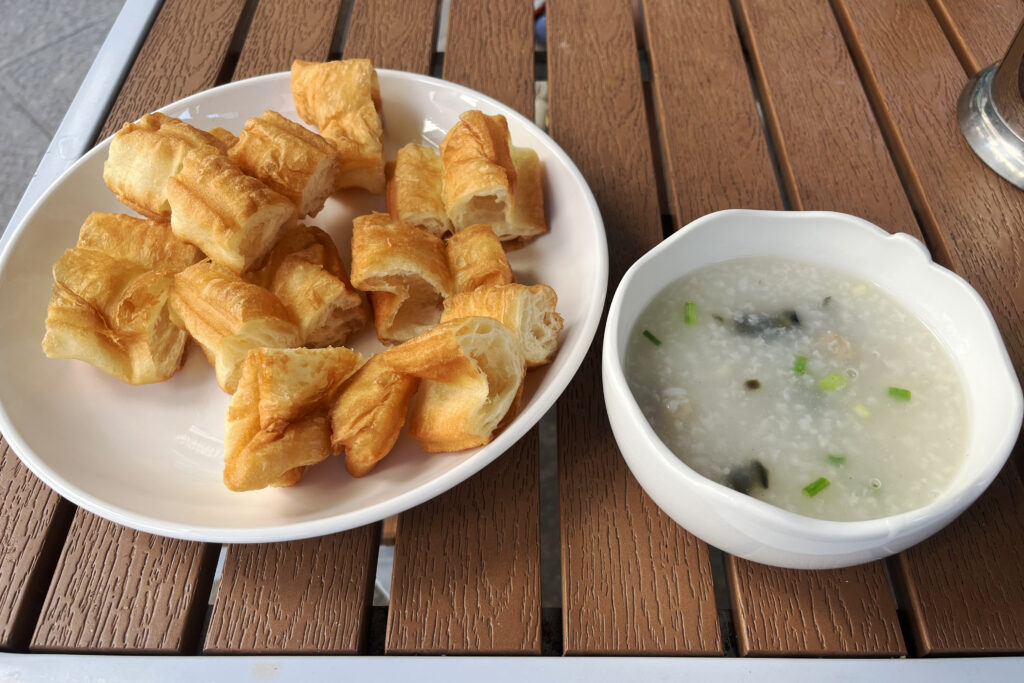
Finally, I was able to enjoy a proper Chinese breakfast at my hotel: a steaming bowl of congee paired with crispy youtiao, those golden fried dough sticks perfect for dipping. It was simple but delicious. When I arrived, a few guests were already seated at the communal tables, typical of many Chinese dining setups. Chinese people are generally a private bunch, but I broke the silence with a cheerful hello and soon found myself chatting with strangers over breakfast.


Comments are closed.