

This entry is part 20 of 40 in the series Stories from China

June 3, 2023

Stories from China (Part 20)

By Simon J. Lau

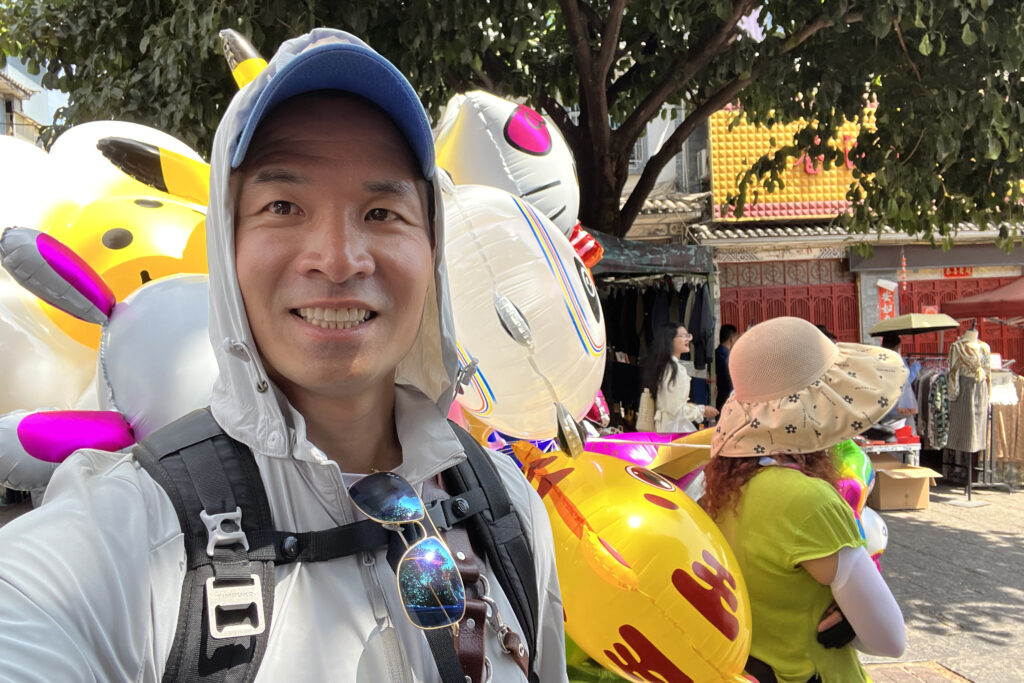
This morning, I visited March Street, where a monthly street market takes over the area. I came by to photograph it, but when I arrived, I made a bit of a foolish mistake. I’d been craving fresh durian, the famously stinky but delicious fruit, so I gave in and bought one.

The problem was, I bought too much. I couldn’t put it in my backpack without stinking it up, and I couldn’t carry it around while trying to take photos. So I forced myself to eat it all on the spot. It’s a delicacy and not cheap, but eating that much at once kind of ruined the experience. In the end, I didn’t capture any worthwhile photos to share from this event.

Still, to make the most of my visit, I bought what I like to call an “air jacket” to protect my face and neck from UV radiation. It has no insulation but’s breathable and offers SPF protection. Unlike Americans, the Chinese avoid sun exposure because they know it causes sun damage and early aging.

Considering how much more youthful the Chinese look, especially compared to Americans who tan, I’m siding with them on this one. I can’t let my face get any more busted from standing out in the sun here or back home in America.

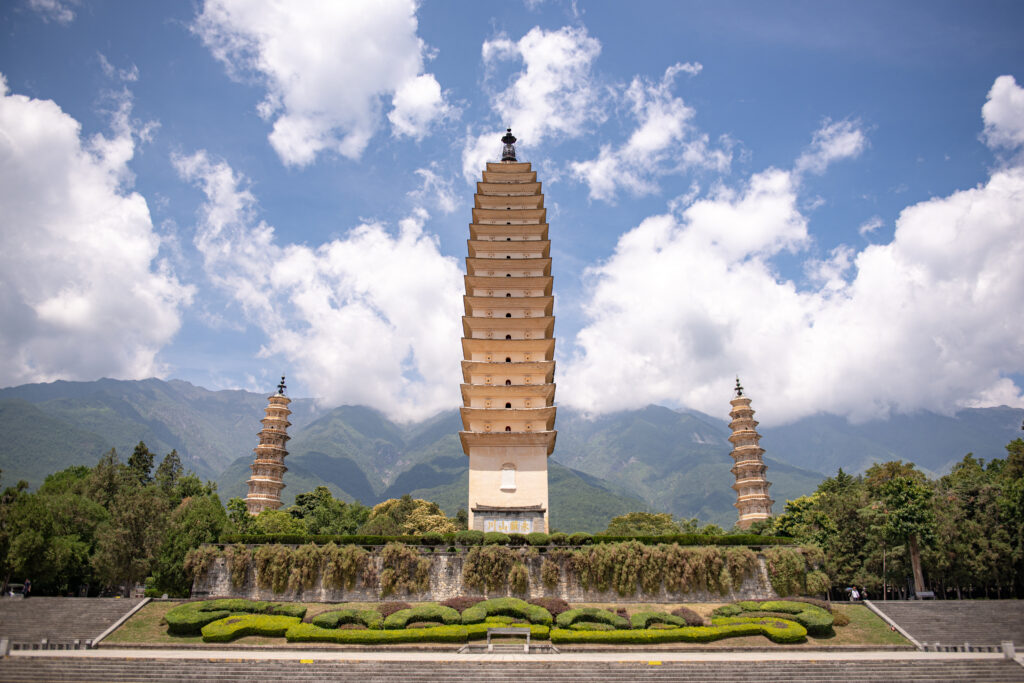
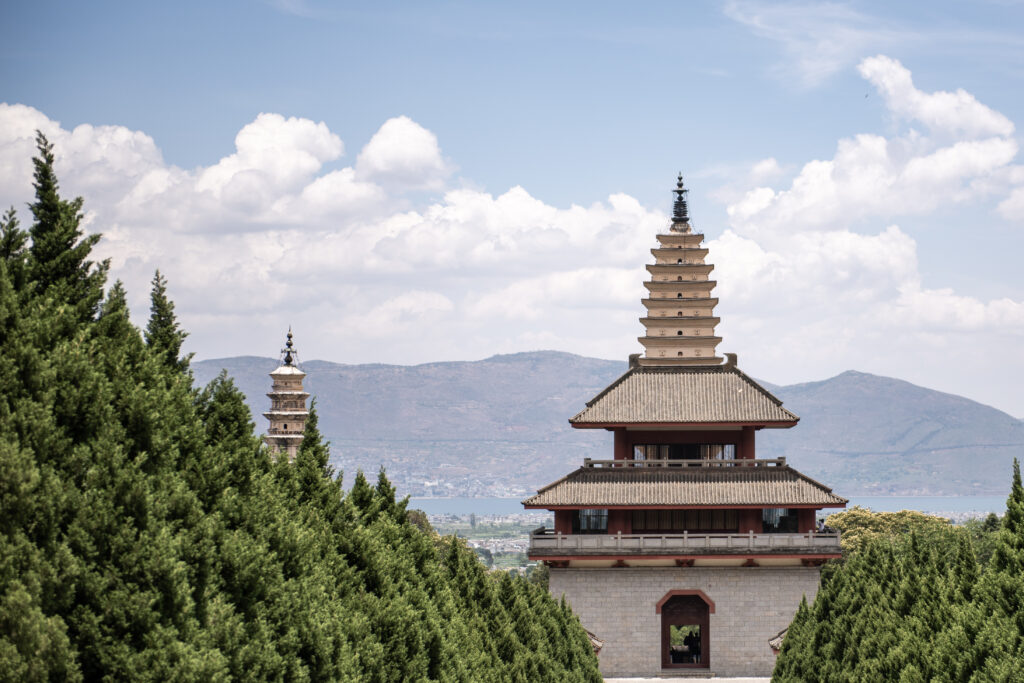
Later, I visited the Three Pagodas, one of Dali’s most recognizable landmarks. The tallest of the three, Qianxun Pagoda, was built in the 9th century during the Nanzhao Kingdom, while the two smaller pagodas were added about a century later for auspicious reasons. Together they form the iconic triangular layout that has endured for more than a thousand years, surviving earthquakes, wars, and centuries of change.

The Three Pagodas complex sits at the foot of the Cangshan Mountains, where the peaks rise sharply above the Dali plain. The site feels almost tucked into the landscape, with stone paths winding through trees and the pagodas rising against the backdrop of mountains and sky. The air was still, except for the occasional ring of temple bells.

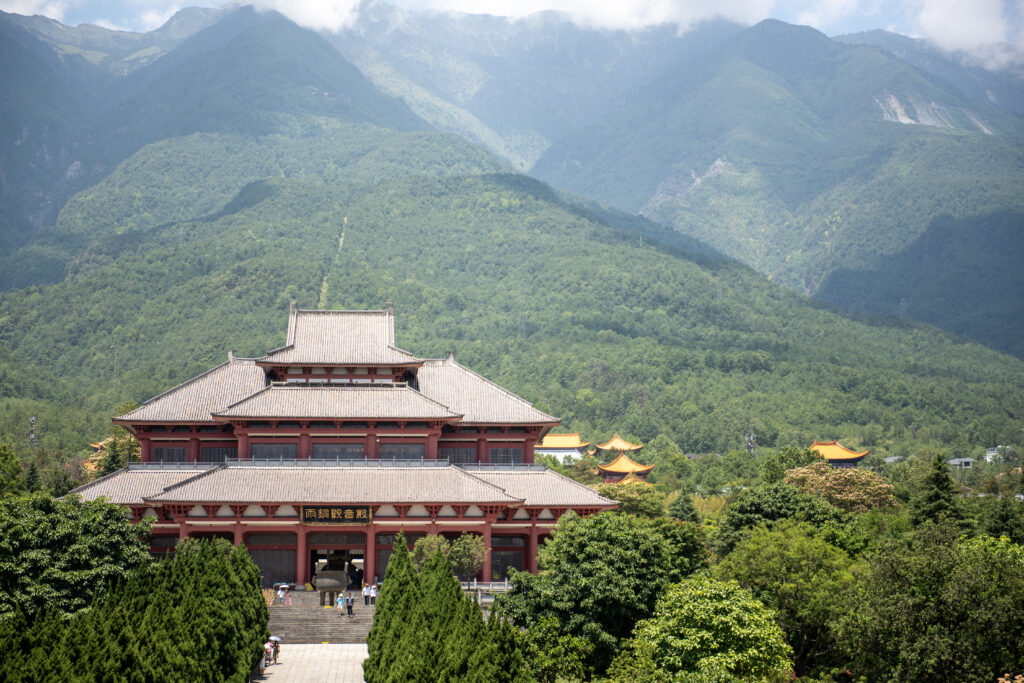
Besides the pagodas, there’s a trail of temples that climbs toward the mountains. I was surprised by how many there were, with halls and shrines scattered along the path, each one a little different from the last. I lost count of how many I passed, and it ended up taking me over an hour to get from the entrance to the final temple.

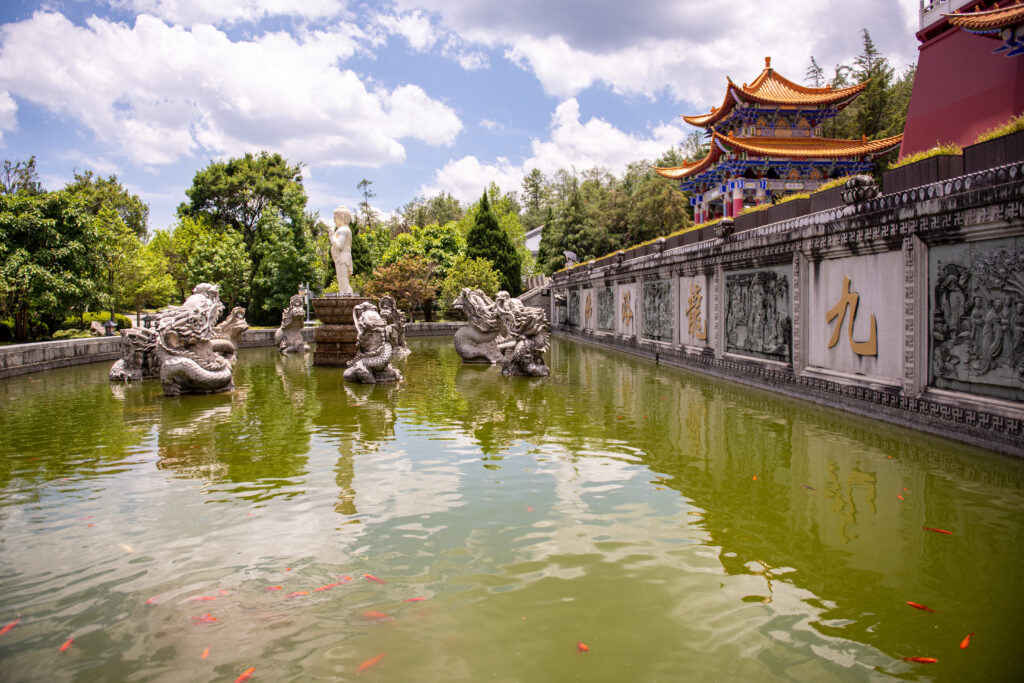
At its foot is the reflection pool, set high above the plain with the Three Pagodas far below in the distance. On a calm day, the water reflects the sky and the mountains towering above it. Very few tourists make it this far, so reaching the final temple felt like a small achievement. The walk was quiet, but the effort was well worth it.

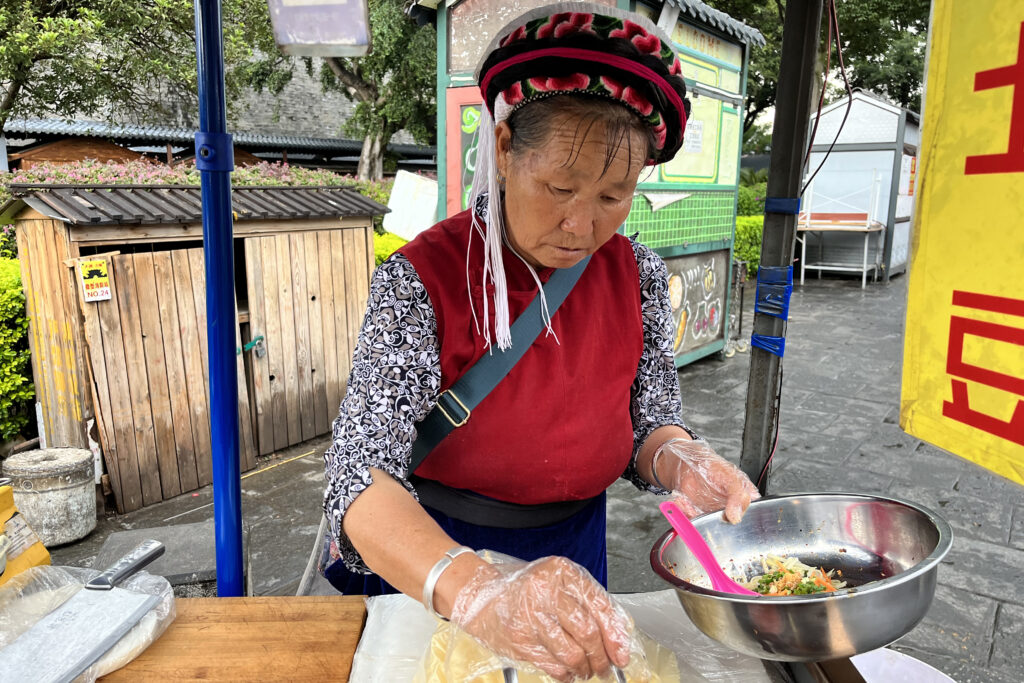
For dinner, I had this burrito-like item, which was pretty good. When it came time to pay, the vendor insisted I use mobile payment, which is common in China. She eventually agreed to take cash, but before I could hand her the money, another customer behind me stepped in and paid with his phone. We had spoken briefly while waiting in line, and he knew I was American. As he paid, he simply said, “Let me treat you. You’re a guest in my country.” I thanked him for his generosity.

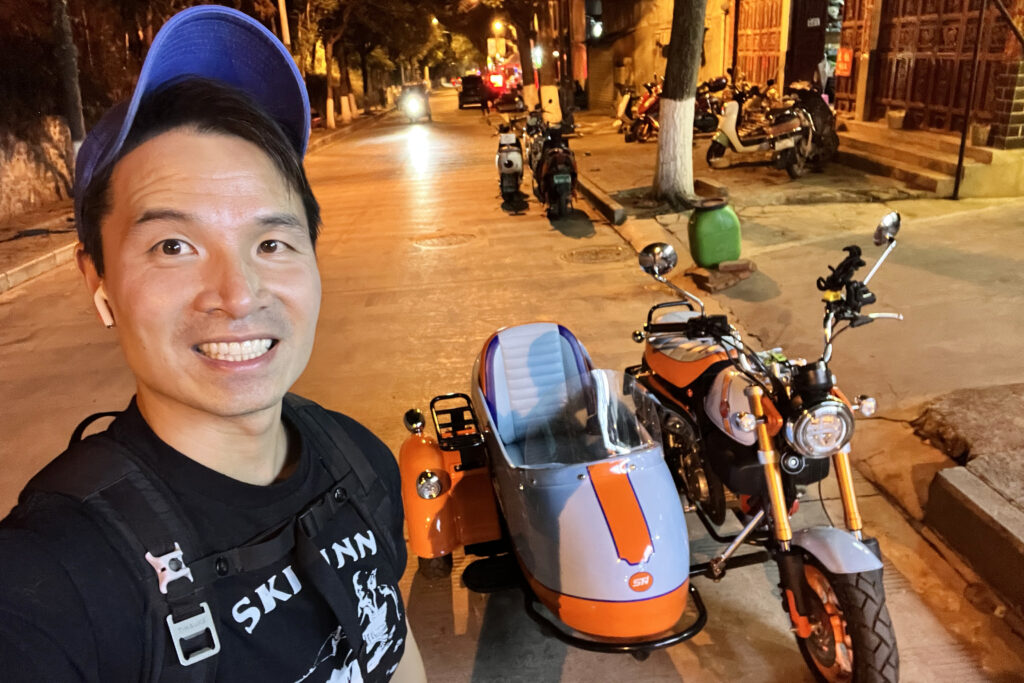
Finally, on my way home, I passed by a motorcycle rental shop and spotted a knock-off Honda Monkey with a sidecar. I couldn’t resist taking a closer look. After chatting with one of the workers, I convinced him to give me a quick ride around the block in it.

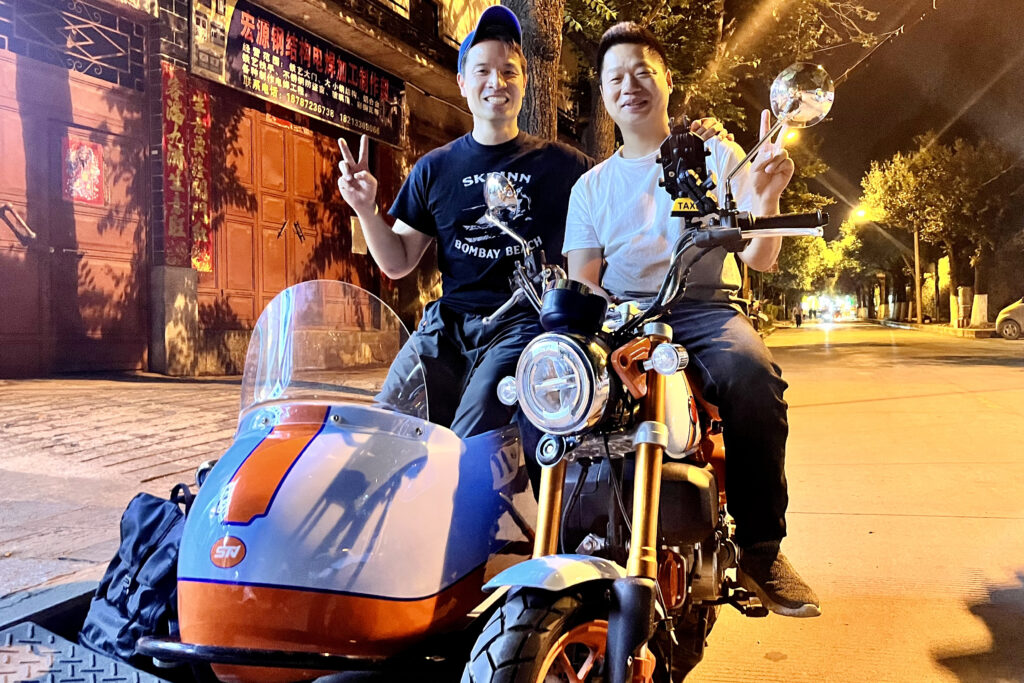
When we got back, I hung out with my driver and his coworker for a while. They jokingly told me that sidecars are sometimes called “八嘎,” a Chinese transliteration of a Japanese insult that literally means “idiot” or “fool.” During the Second Sino-Japanese War and the Japanese occupation of parts of China, Japanese troops frequently used sidecars to move quickly through occupied towns and cities. Locals often heard Japanese soldiers shouting this insult at each other, and over time the word became associated with the occupying forces themselves.

Eventually, some Chinese began using it as slang to mock both the soldiers and the sidecars they rode in. The nickname stuck in certain places, giving sidecars this less-than-flattering name.

Prev Stories from China (Part 19)
Next Stories from China (Part 21)

Comments are closed.