June 12, 2023
Stories from China (Part 29)
By Simon J. Lau
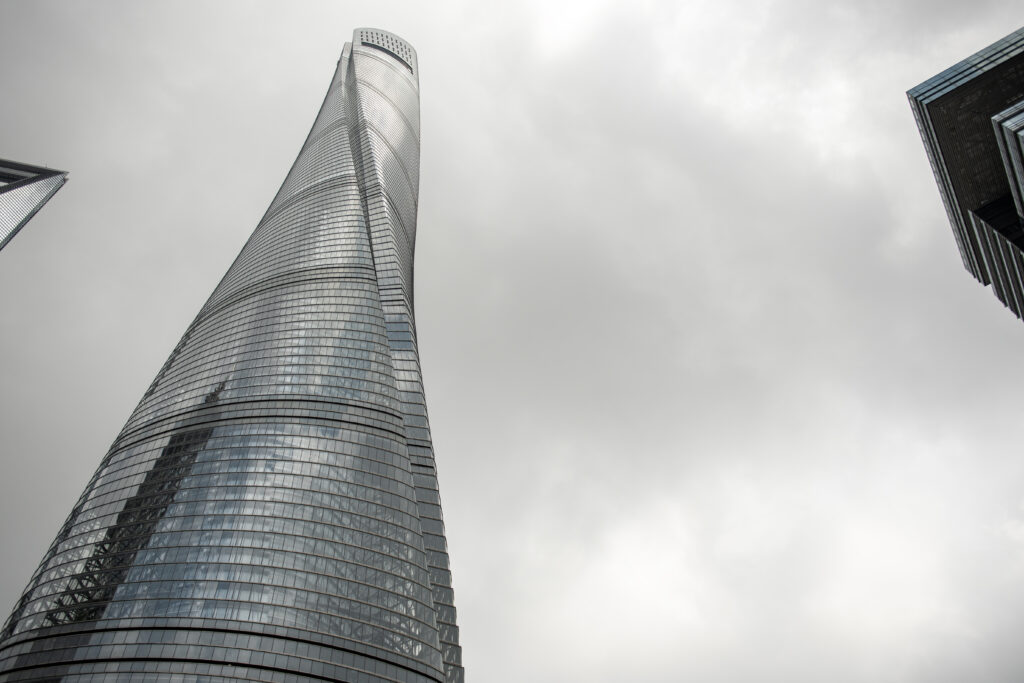
This morning I visited the Shanghai Tower, the tallest building in Shanghai and the third tallest in the world. I remembered seeing a documentary years ago about its construction. It explained that few, if any, Western firms would have funded a project like this. With its unusual design featuring an enclosed inner glass layer, the payback period would be long and the return on investment relatively low. However, the documentary pointed out that Chinese investors tend to take a much longer view when evaluating projects like this.
That mindset reflects what I’ve observed about how the Chinese approach time in general. With more than 3,000 years of history behind them, there’s a greater patience and willingness to wait things out compared to many Western cultures, whether in business or in politics.
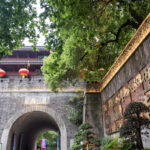
Later, I spent time at the City God Temple. It sits in what was once Shanghai’s original urban core, a part of the city that long predates the glittering skyline people usually associate with modern Shanghai. The temple honors the City God, a guardian spirit believed to watch over the city and its people, and it also commemorates Shanghai’s elevation to the status of a municipality, a title shared by only three other cities in China: Beijing, Tianjin, and Chongqing.
Walking through the courtyards and pavilions, I could feel the contrast between the old and the new. Just beyond the temple walls are busy streets filled with shops, skyscrapers, and neon lights, but inside the temple grounds there’s a sense of continuity and tradition that has lasted for centuries.
For example, within the complex is Yu Garden, built in the 16th century under the supervision of a Ming-era governor. The garden’s man-made pathways and intricate waterways once provided an important gathering place for the city’s residents, adding another layer of history to this small pocket of old Shanghai.
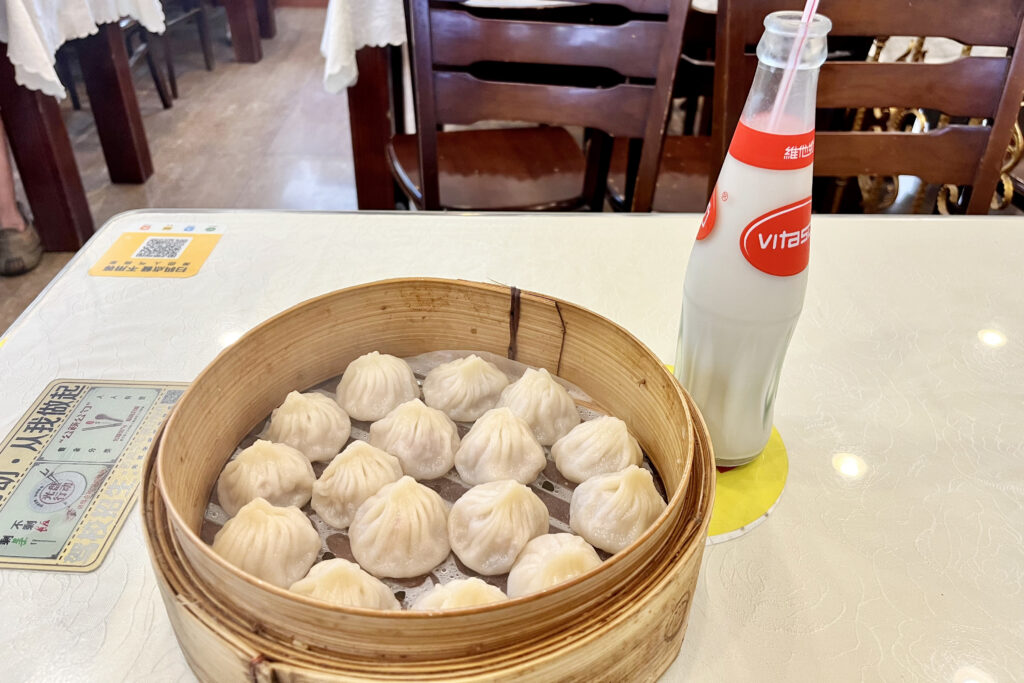
When I visited many years ago, I ate at a very popular soup dumpling restaurant near Yu Garden. I couldn’t find it this time, but Shanghai is still my favorite place to enjoy soup dumplings. Instead, I wandered into another spot with the same perfect balance of soup, pork filling, and thin, delicate dough.
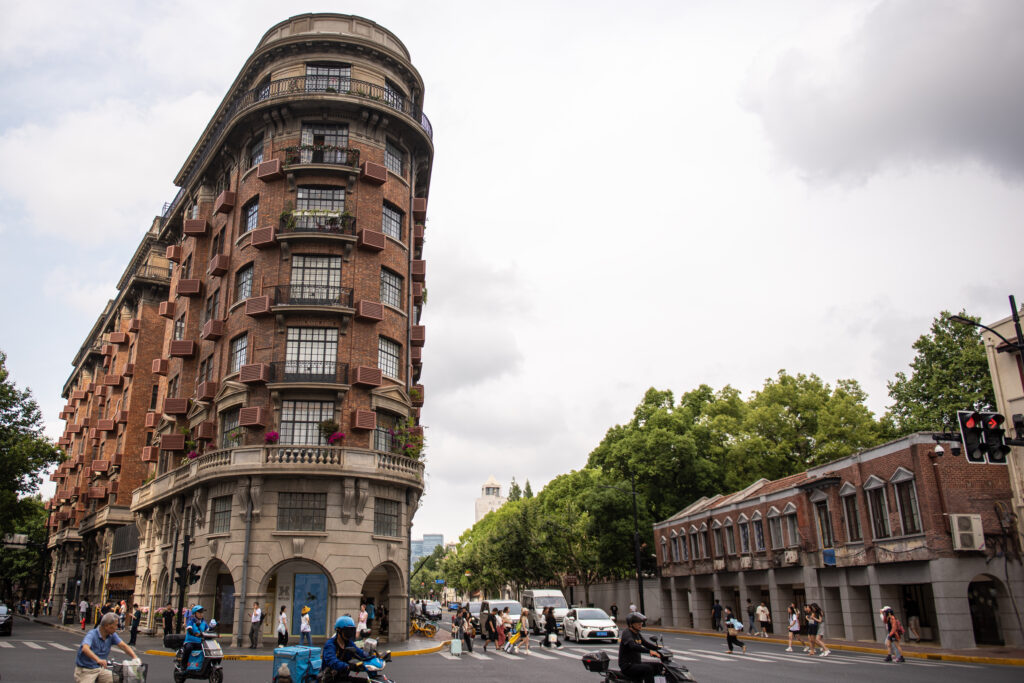
Finally, I visited the French Concession. This area, along with other international settlements, once made up the larger Shanghai International Settlement. These concessions were imposed on China and are remembered as part of the country’s “Century of Humiliation,” a period from roughly 1840 to 1940 when China was subjugated by Western powers and later Japan.
The period began with Britain’s victory in the First Opium War in 1842 and ended a century later with Japan’s unconditional surrender during World War II. Nearly 80 years on, these former settlements have transformed into some of Shanghai’s most vibrant commercial and residential neighborhoods, now firmly under the sovereignty of an independent Chinese state.


Comments are closed.