Perched in the hills above Chengde, the Eight Outer Temples form a sweeping arc of monasteries around the city’s Mountain Resort. Built by the Qing emperors in the 18th century, these temples were as much about politics as piety. Each was designed in the style of a different corner of the empire, Tibetan, Mongolian, and Han, a testament to the dynasty’s vast reach. Together they stood as both spiritual sanctuaries and diplomatic gestures, offering visiting minority leaders a sense of belonging within the Qing world order.
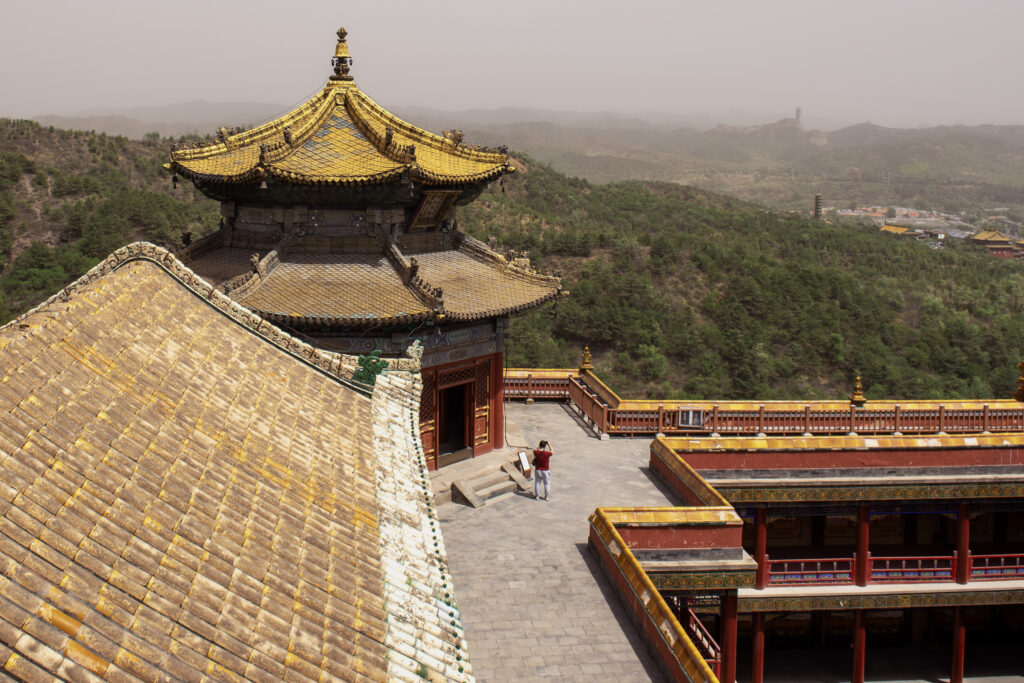
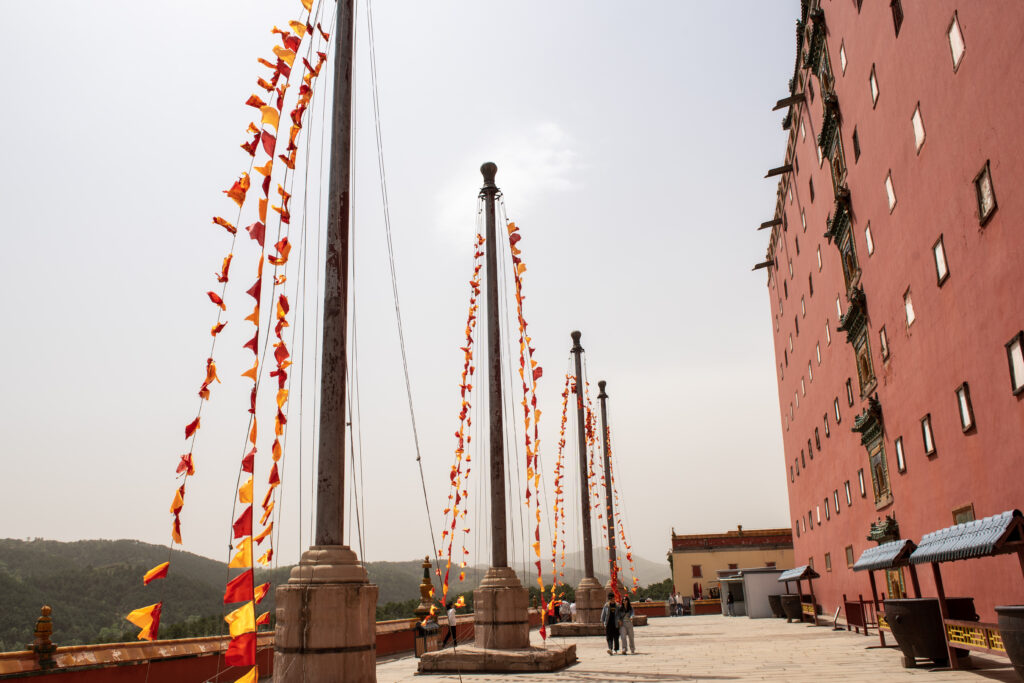
The most famous of the Eight Outer Temples is Putuo Zongcheng, completed in 1771 and modeled after Lhasa’s Potala Palace. With its red and white walls crowned by golden roofs, it was built to impress visiting dignitaries from Tibet and Mongolia, a clear display of the Qing court’s wealth, power, and religious devotion. From its courtyards and steep stairways, you get sweeping views of both the towering halls and the surrounding mountains. It’s a dramatic mix of imperial ambition and spiritual grandeur.
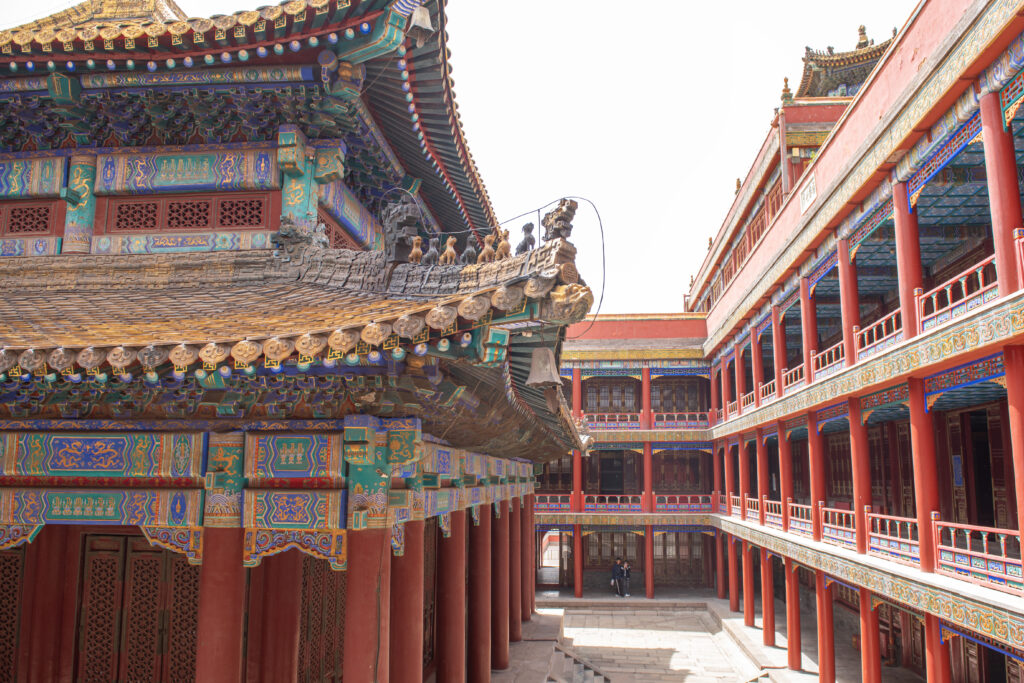
Nearby stands Puning Temple, shown here with its maze of red pillars, painted beams, and layered rooftops bursting with color. The intricate carvings along the eaves and the deep blues and greens on the woodwork give the place a striking mix of Tibetan and Han Chinese influences. This temple is less about imperial display and more about religious devotion.
Together, these temples show how the Qing emperors used religion, architecture, and diplomacy to unite a vast, multiethnic empire.
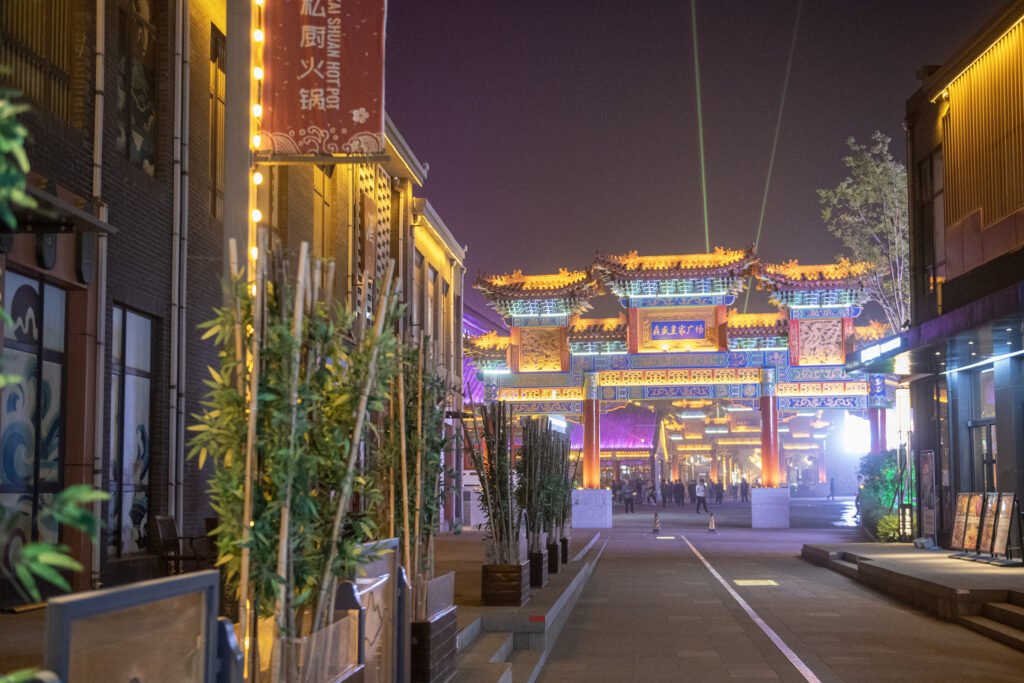
That evening, I hired a guide to show me some local hangouts and the best spots for night photography. We started in Shuangluan District, just outside Chengde’s historic center. The area feels modern compared to the old city, with wide pedestrian streets, neon-lit storefronts, and a new open-air theater where crowds gather for evening performances.
Later, we headed back into the city center and stopped at a trendy bar and restaurant on one of the busier streets. Inside, a sidecar was parked on display, probably a Chinese knock-off, but it immediately caught my eye. That sidecar ended up being the real highlight of the place for me.
Finally, you might have noticed the haze in many of these photos. It isn’t smog but sand. Strong winds carry it from Mongolia, and during severe storms, the sky turns yellow and the air becomes hazardous. To fight this, China has spent decades planting massive belts of trees across the country’s northern deserts, an effort sometimes called the “Great Green Wall.” The goal is to hold the sand in place and slow the storms before they reach major cities like Beijing. From what I’ve heard, it has helped, sandstorms today aren’t as apocalyptic as they were in the early 2000s, but they still happen often enough to be part of life here.




Comments are closed.