
November 9, 2025 was unseasonably warm in San Francisco. It felt far more like summer than fall. That morning, the sun filled our patio, heating the tiles and casting a warm glow across the space. My dog, Benny, settled onto his striped blanket in his usual spot, leaning over with his eyes closed as the light settled over him. Jean, my wife, sat nearby while Bruno, our other dog, shuffled into a narrow sliver at our feet. Sunbathing was part of Benny’s routine, but that morning carried a stillness that felt unfamiliar. As I watched him rest, he seemed to accept something I wasn’t yet able to.
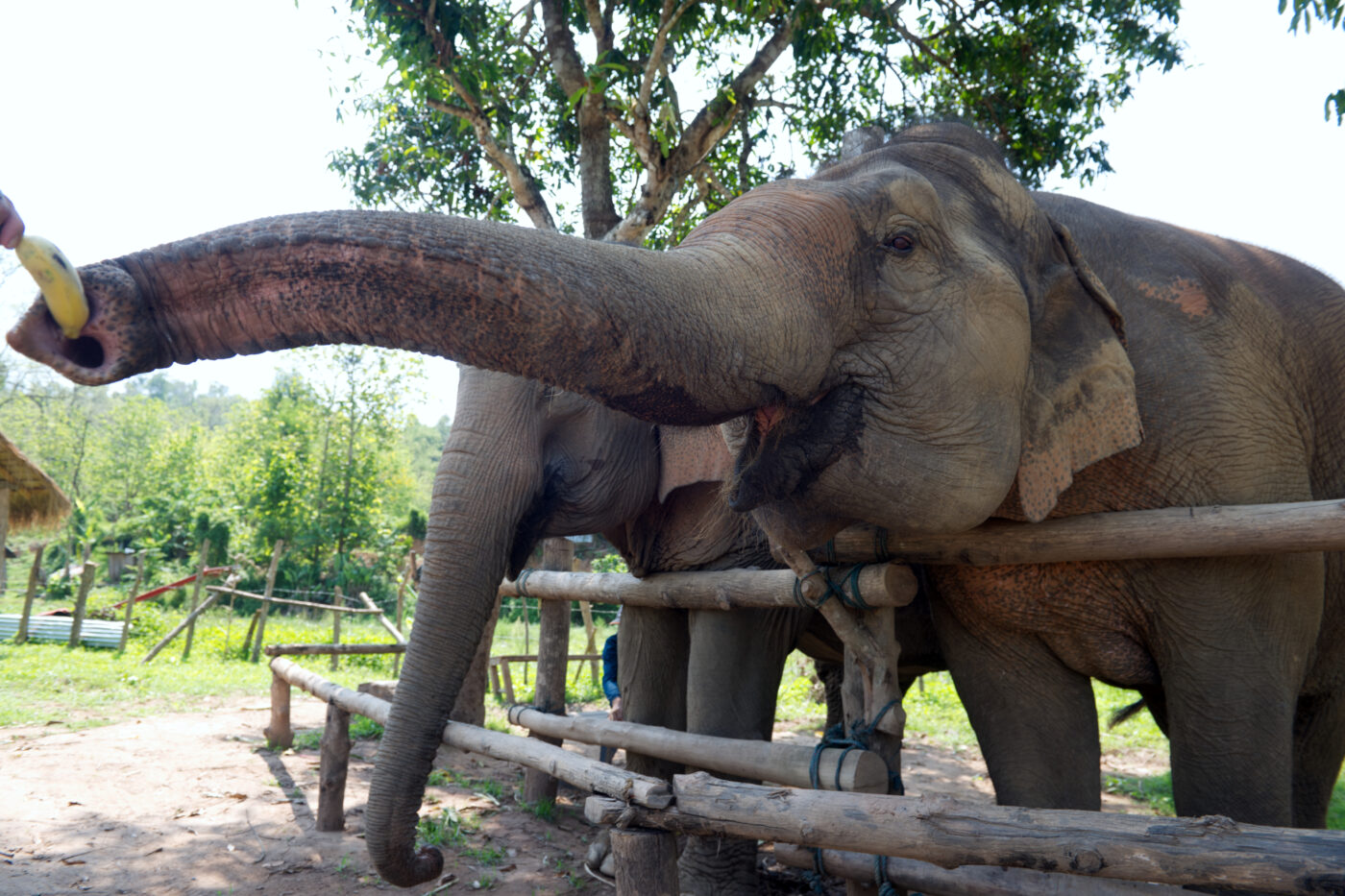
Laos sits in the heart of Southeast Asia, tucked between Thailand, Vietnam, China, Myanmar, and Cambodia. It’s the region’s only landlocked nation, shaped by forested mountains and winding rivers. Centuries ago it was known as Lan Xang, the “Land of a Million Elephants,” a kingdom where elephants stood at the center of cultural and national identity. Though only a fraction remain today, the symbol endures in folklore, temples, and the country’s imagination.
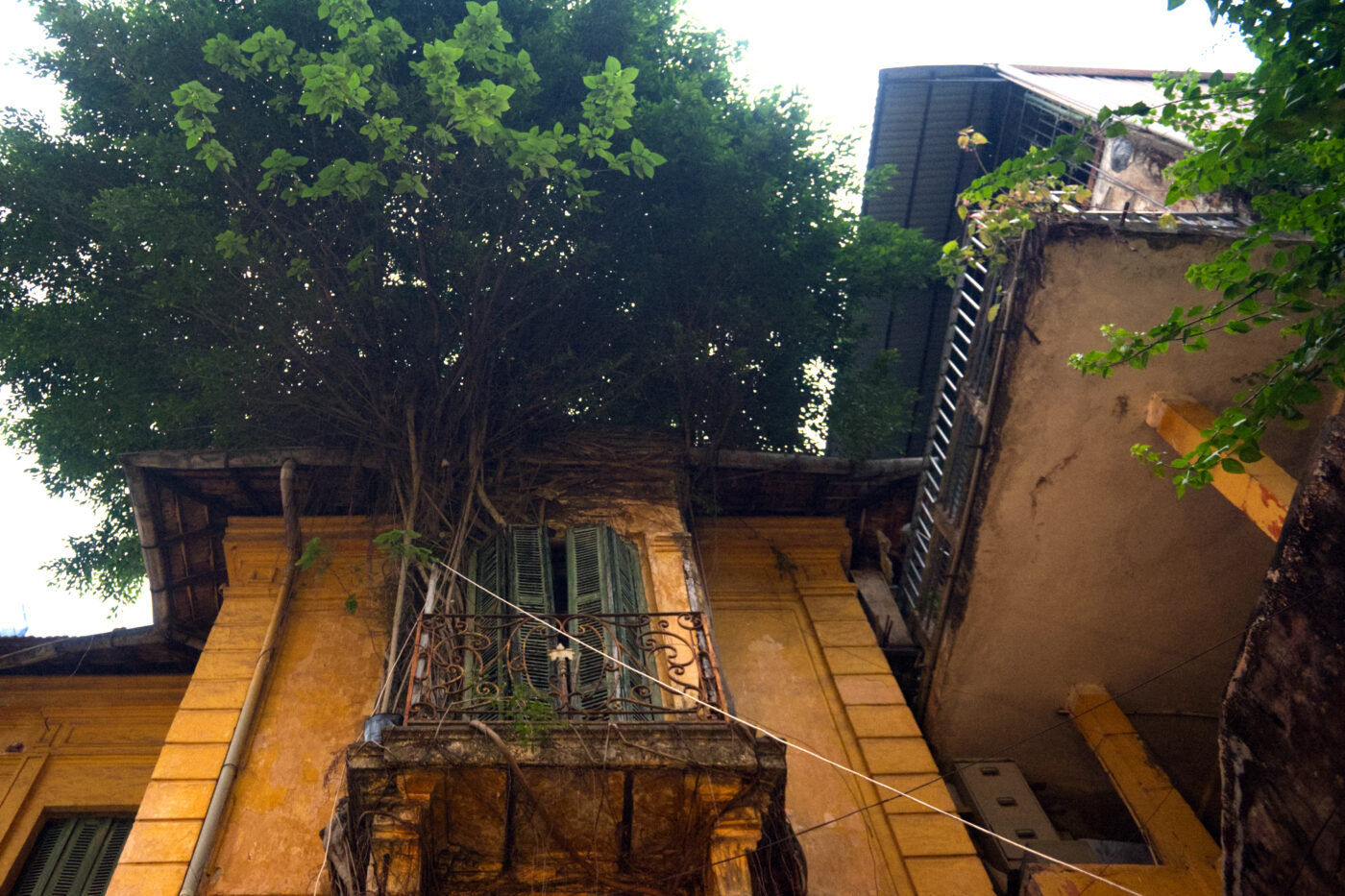
On my final day, I spent the morning walking down Trang Tien Street, one of Hanoi’s oldest and most prominent roads. Long before the French arrived, it was home to royal compounds, lakeside markets, and early urban life, a center of power dating back to the Vietnamese dynasties. During the colonial era, the French redeveloped the street and its surroundings, transforming the area into what became known as the French Quarter, a showcase of European urban design. At its head stands the Hanoi Opera House, framed by wide boulevards and grand facades meant to project elegance, order, and influence.

I set out before sunrise, hoping to snap photos of Long Bien Bridge just before rush hour. Built by the French in the early 1900s and heavily bombed during the Vietnam War, Long Bien is a weathered iron span that has carried generations of commuters across the Red River. It links the Old Quarter to Hanoi’s outskirts. Unlike the sleek bridges farther downstream, built mainly for cars and motorbikes, Long Bien still carries trains, and even makes room for pedestrians.
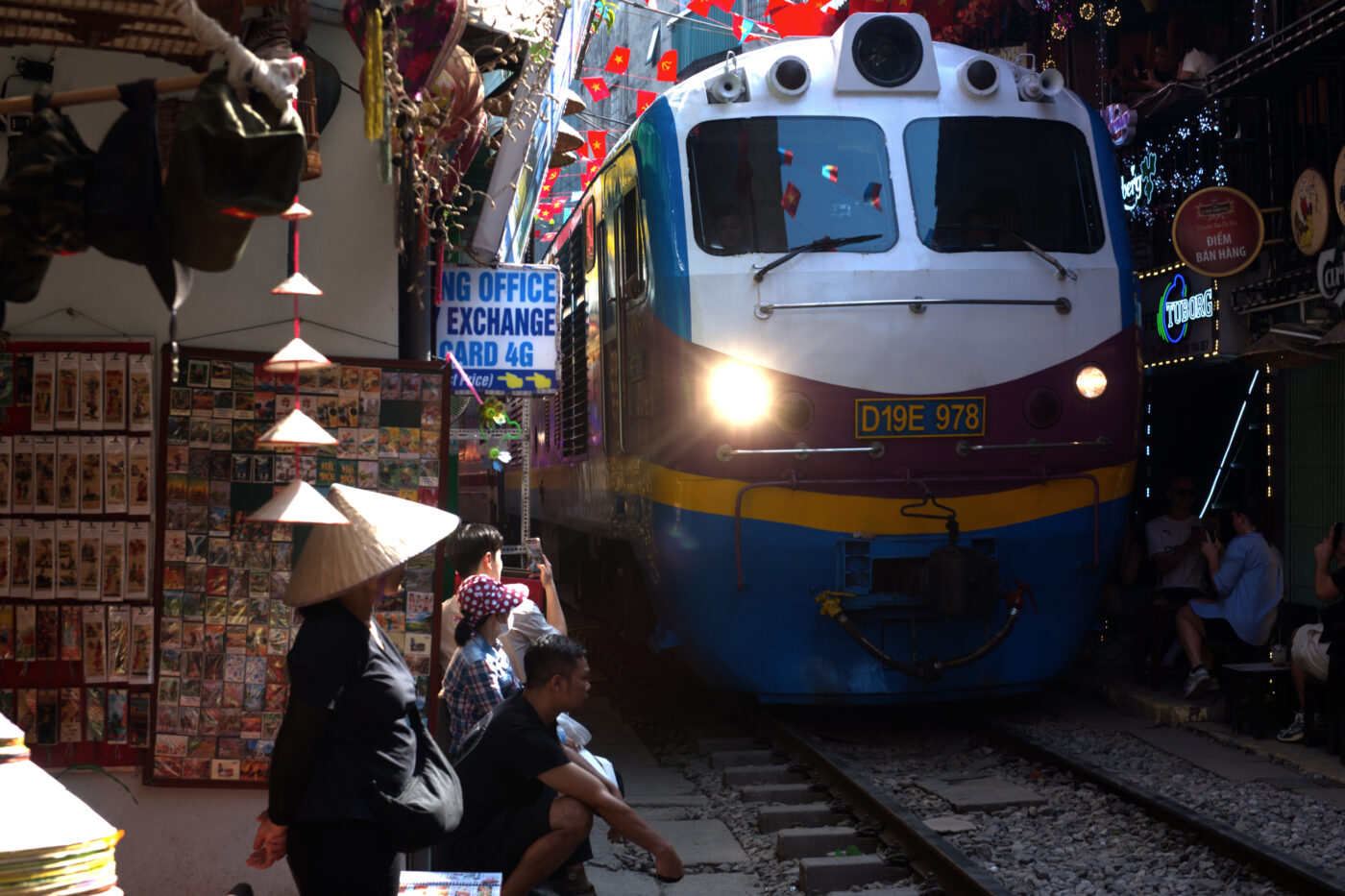
I’m back in Hanoi, this time staying long enough to reconnect with the city rather than just passing through. It’s a place of contrasts: motorbikes racing down leafy boulevards, crumbling colonial buildings beside luxury shops, and ancient temples tucked between street stalls. For over a thousand years, Hanoi has been Vietnam’s political and cultural center. Capital to emperors, colonizers, and revolutionaries.
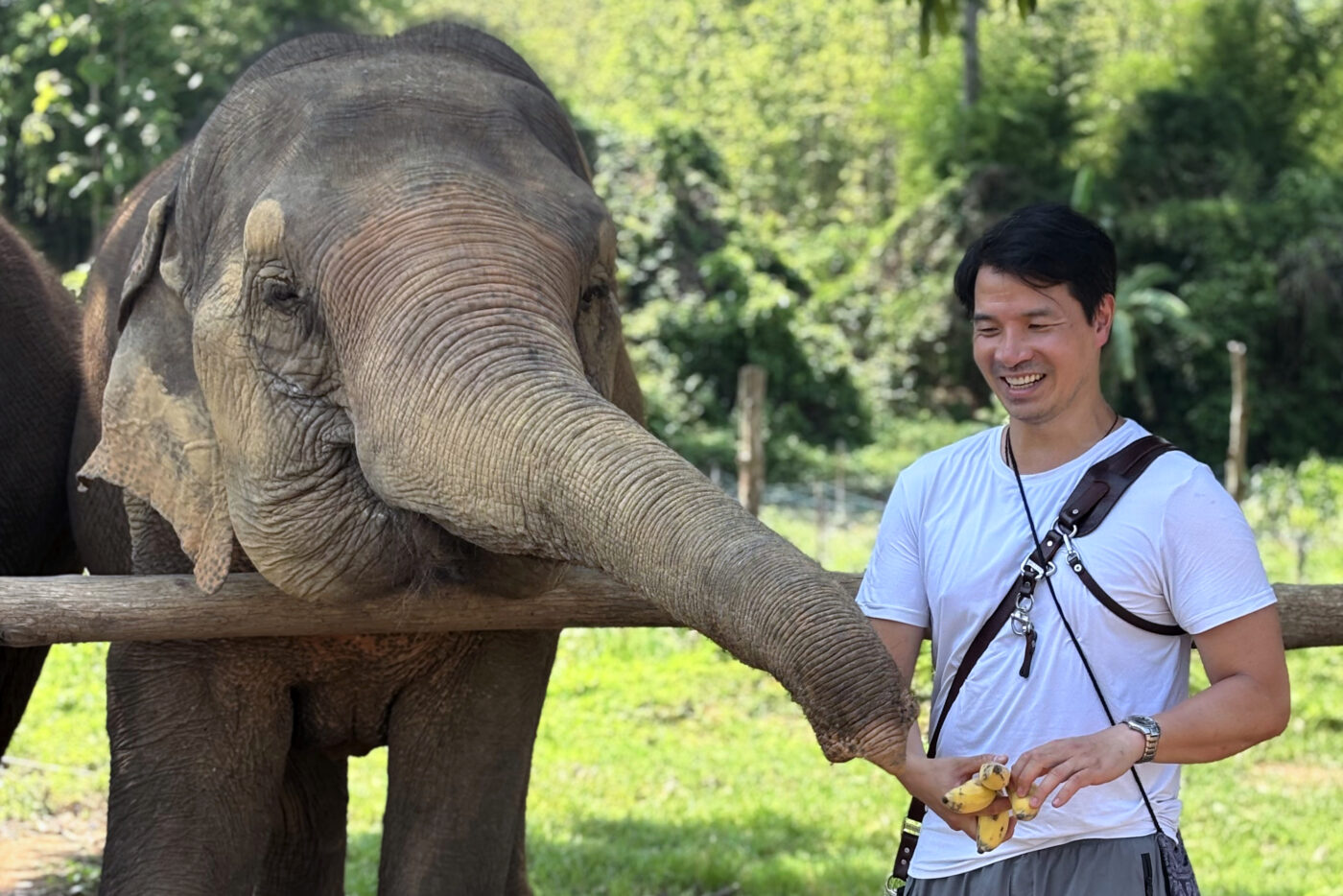
This morning, I visited MandaLao, an elephant sanctuary just outside of Luang Prabang. Rather than offering rides or performances, the sanctuary provides a safe, quiet home for rescued Asian elephants, many of whom come from lives of hard labor. MandaLao also serves as a place for visitors to learn about Laos’s long history with elephants, the threats they face today, and the country’s ongoing conservation efforts to protect them for future generations.
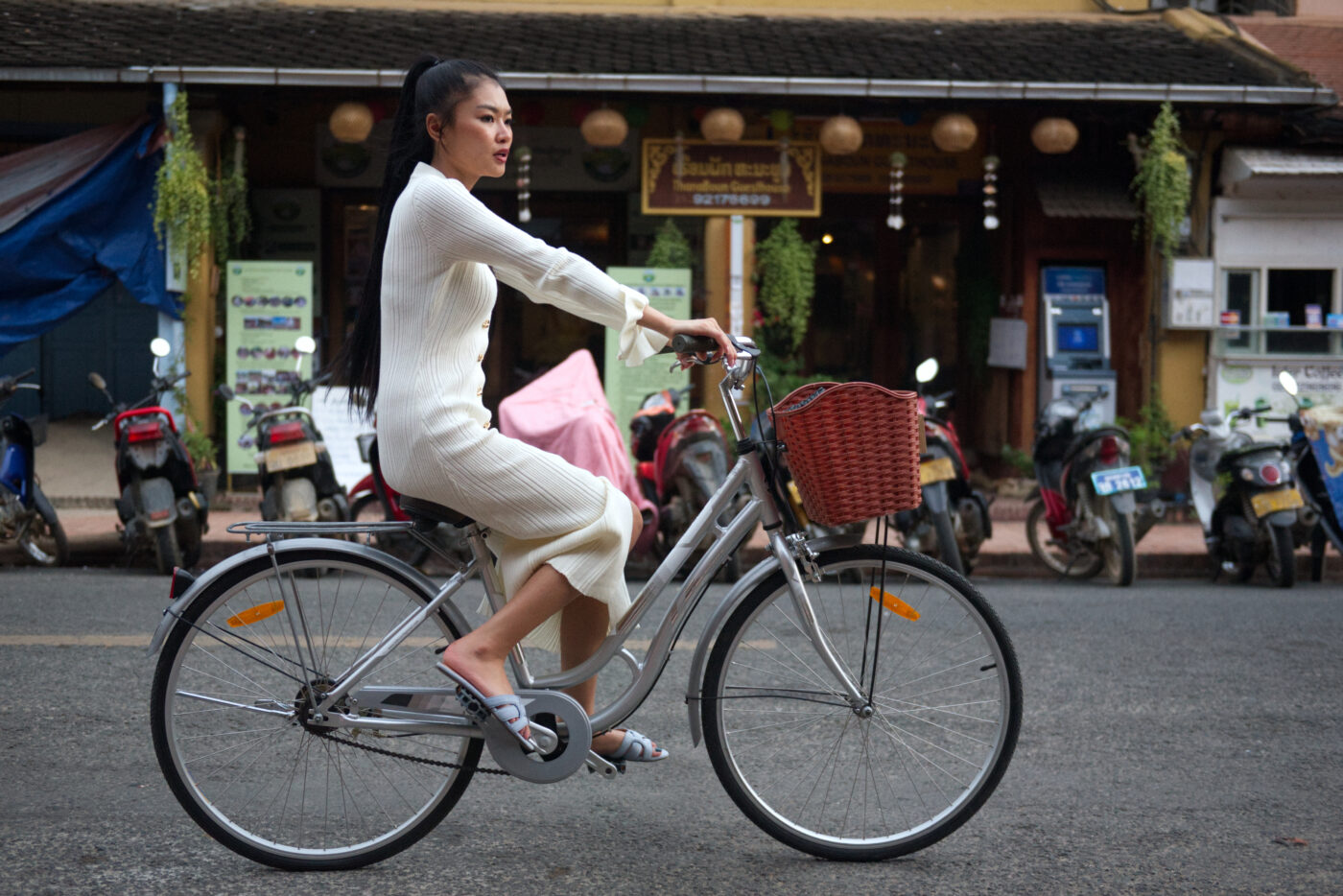
I’m back in Luang Prabang! I had high hopes of visiting Kuang Si Falls, arguably the area’s main attraction, best known for its turquoise pools and jungle setting. Personally, I was really looking forward to a swim beneath the waterfalls. Unfortunately, several things didn’t go my way.
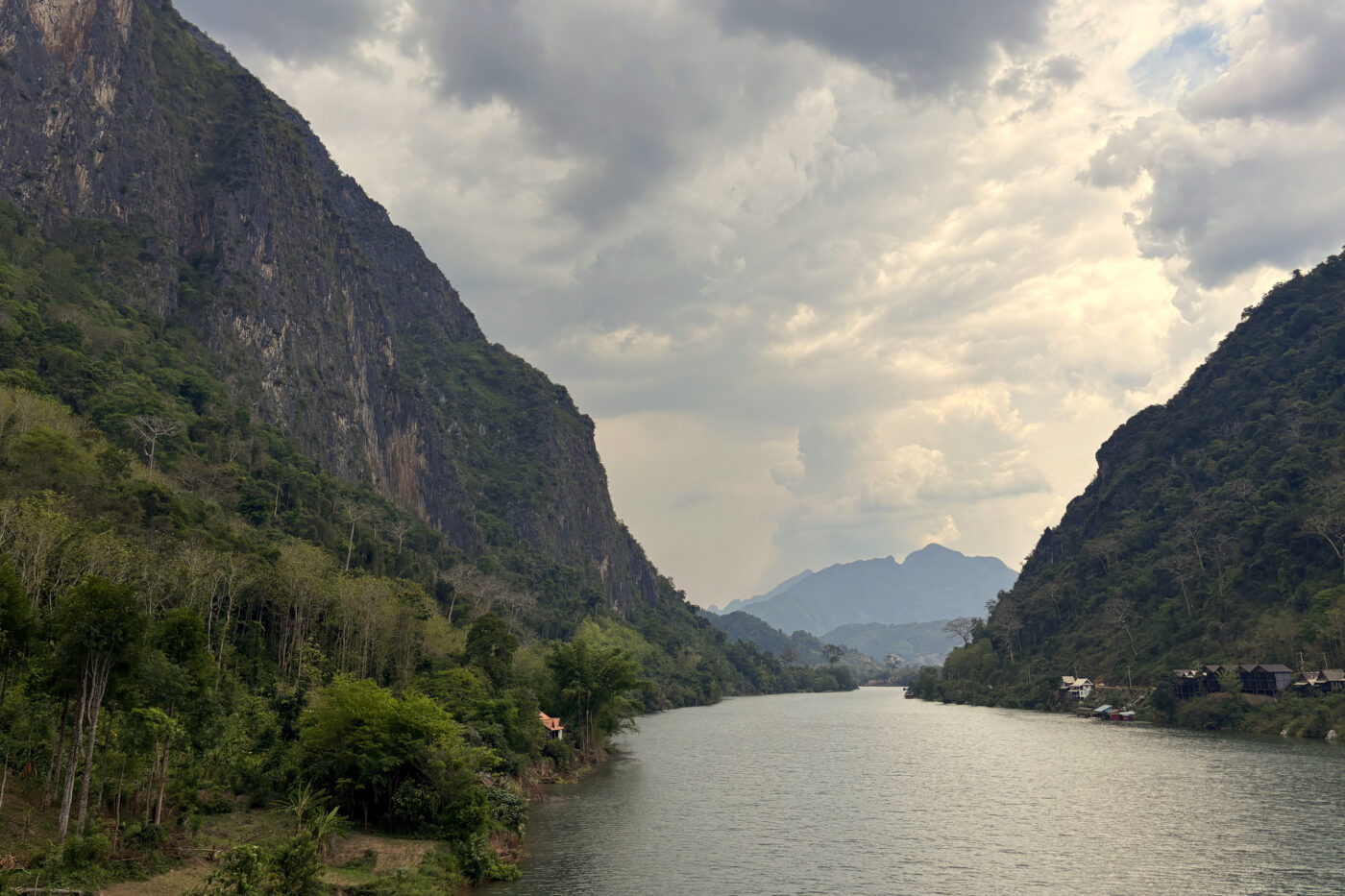
Today was my last day in Nong Khiaw. Unfortunately, it didn’t end the way I’d hoped! First, I had planned to hike Pha Daeng Peak this morning, a mountain known for its sweeping views of the Nam Ou River valley. The trail is steep and occasionally grueling, but the real reward is at the top. Those who start before sunrise often reach the summit just in time to rise above the clouds, then watch as the mist slowly lifts to reveal the valley and town below. Many say it’s one of the best experiences in Nong Khiaw, maybe even in all of Laos. And by all accounts, it’s worth the effort.
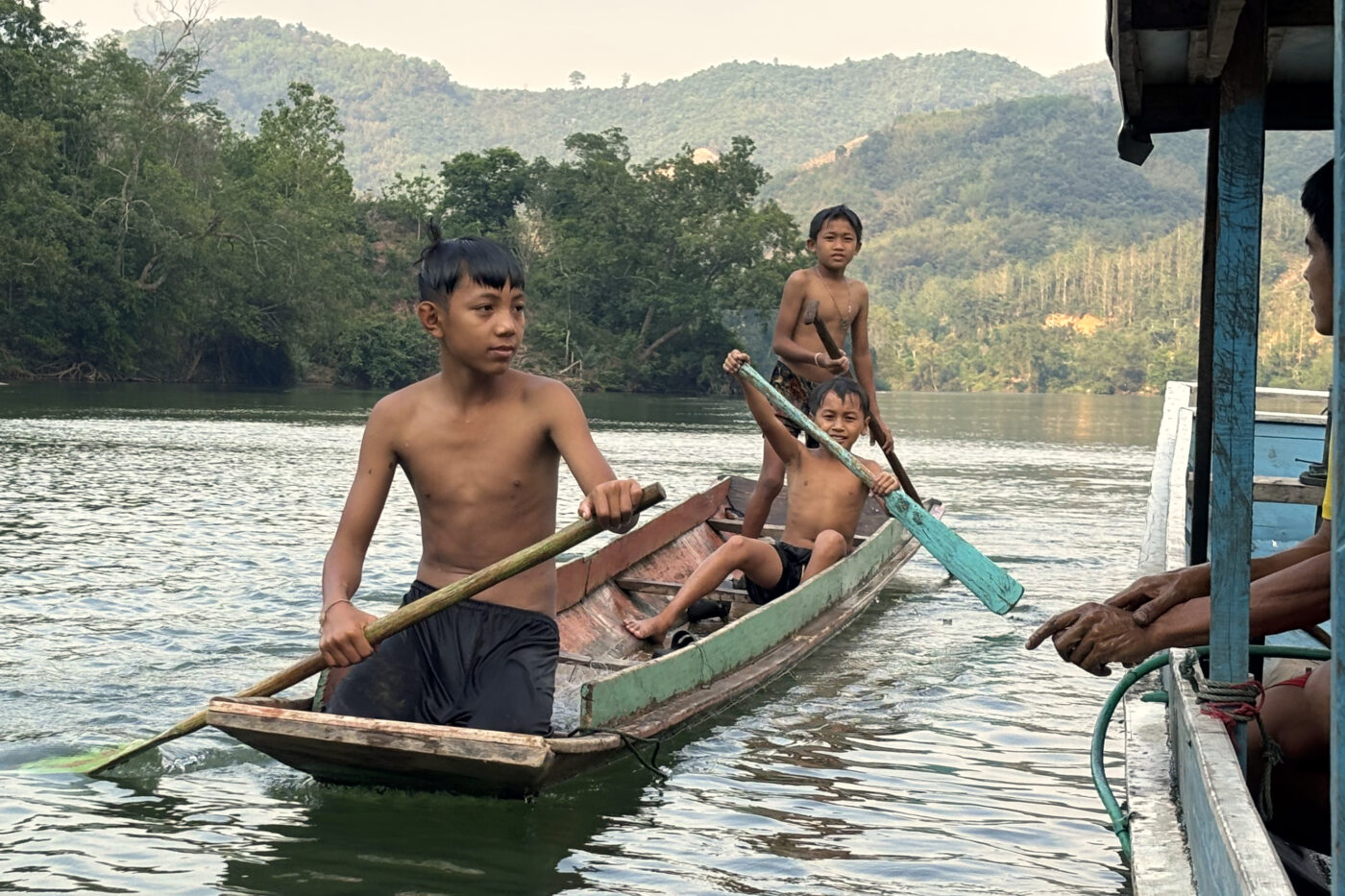
This morning I finally joined the one-day tour to explore the area surrounding Nong Khiaw. (I had to cancel yesterday’s attempt after the vendor delayed our start by over an hour. I never got the partial refund I was promised, but at least we left on time today.) We started by boarding a traditional long-tail boat and heading upstream along the Nam Ou River, a scenic tributary of the Mekong that cuts through northern Laos. Like much of the region, the river is flanked by towering limestone cliffs and dense jungle.
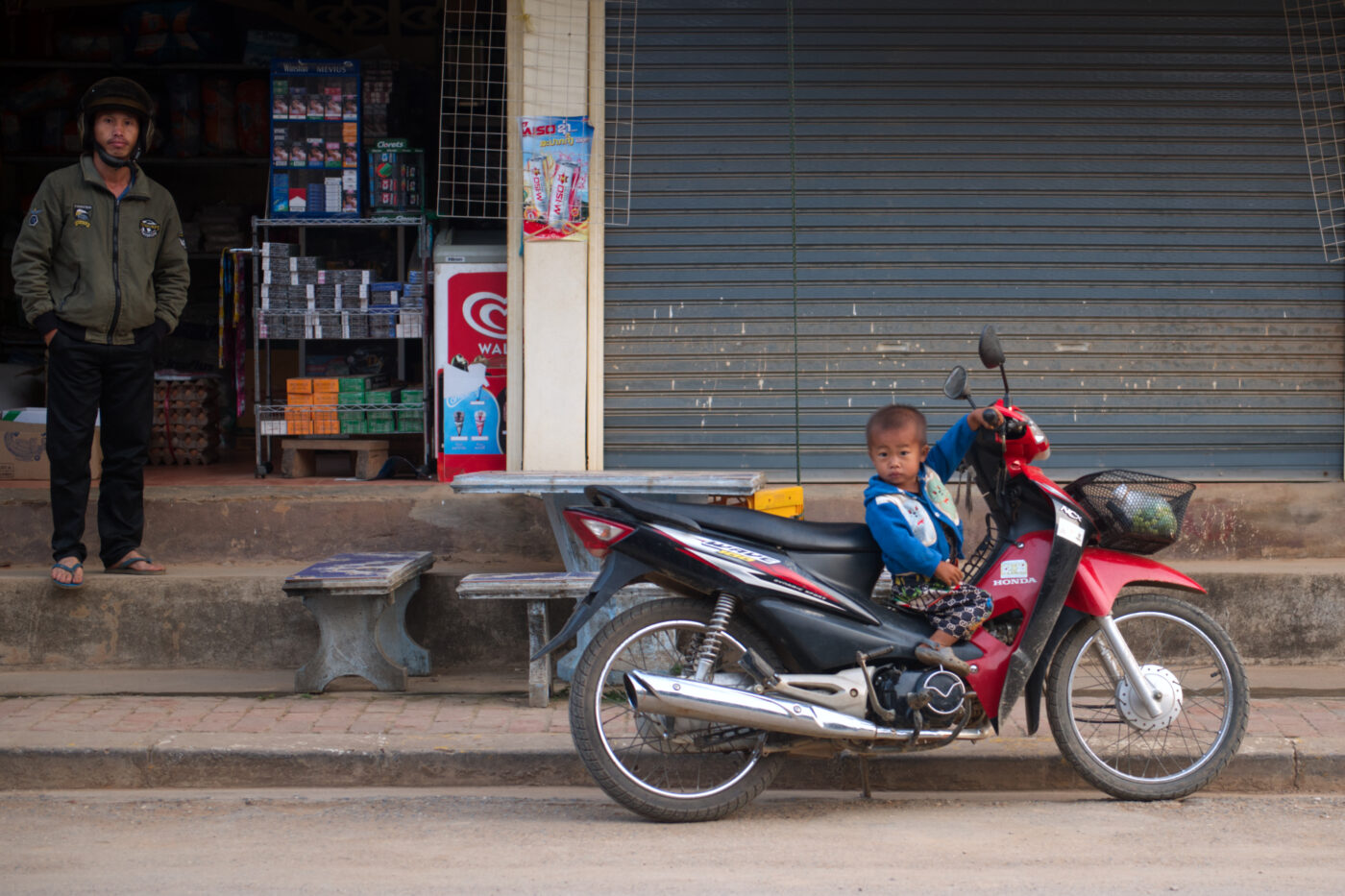
This morning, I was scheduled to join a tour to visit a remote village that’s only accessible by boat. My vendor picked me up on a Honda Ruckus, or as they call it here, a Zoomer. In the U.S., these scooters are much uglier and more utilitarian, but in Southeast Asia, Honda gives them a sleeker, more stylish look. Ironically, it’s their awkward, rugged design back home that makes them more appealing. I’ve wanted to ride one for years, and today I got a short, sweet taste of it.
Error: No feed found.
Please go to the Instagram Feed settings page to create a feed.