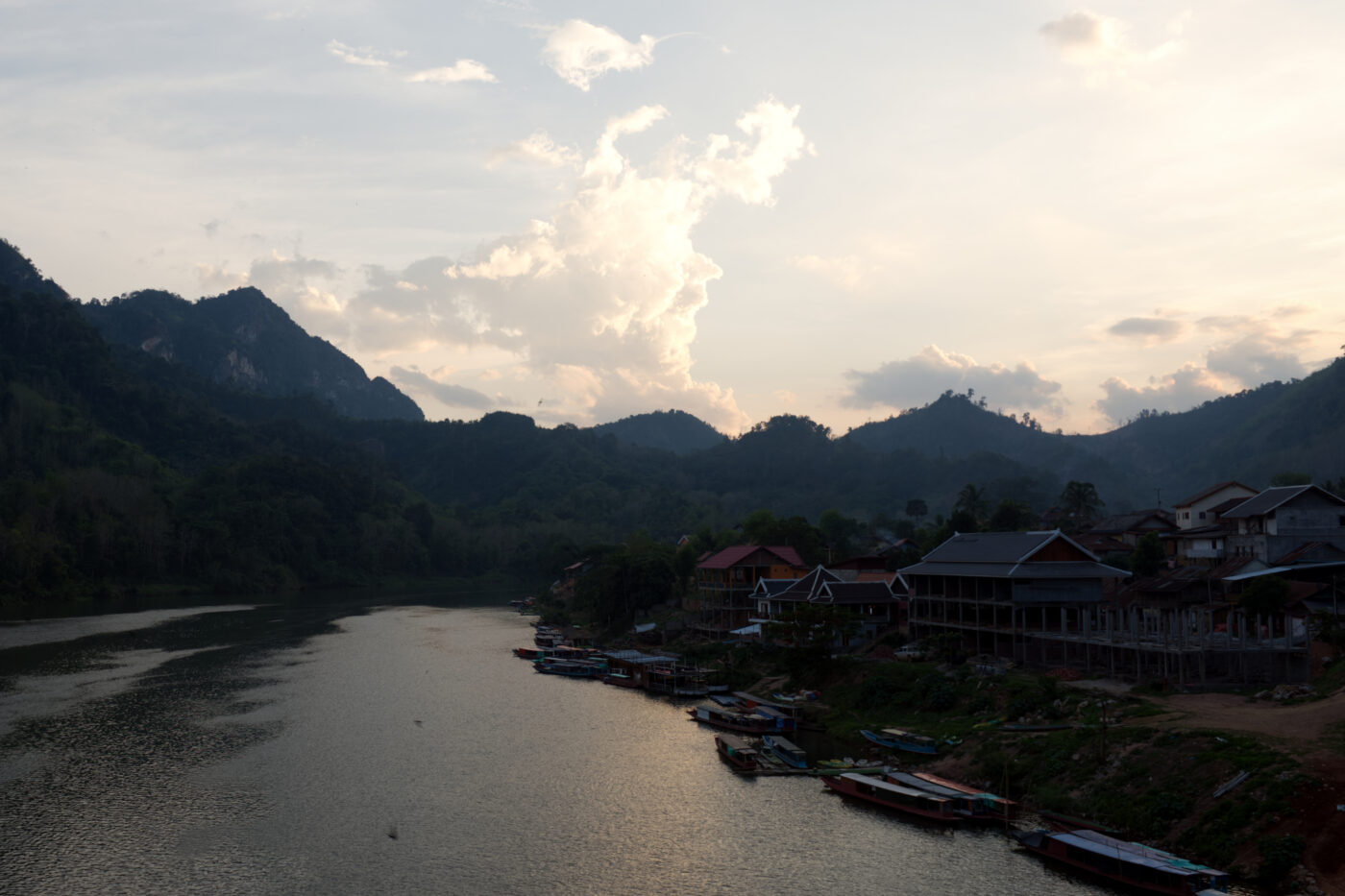
This morning I visited the morning market in Luang Prabang, a narrow stretch of alleyways packed with stalls selling everything from sticky rice and cured meats to herbal remedies. Locals come here daily for fresh produce, dried spices, and regional specialties you’d be hard-pressed to find anywhere else.
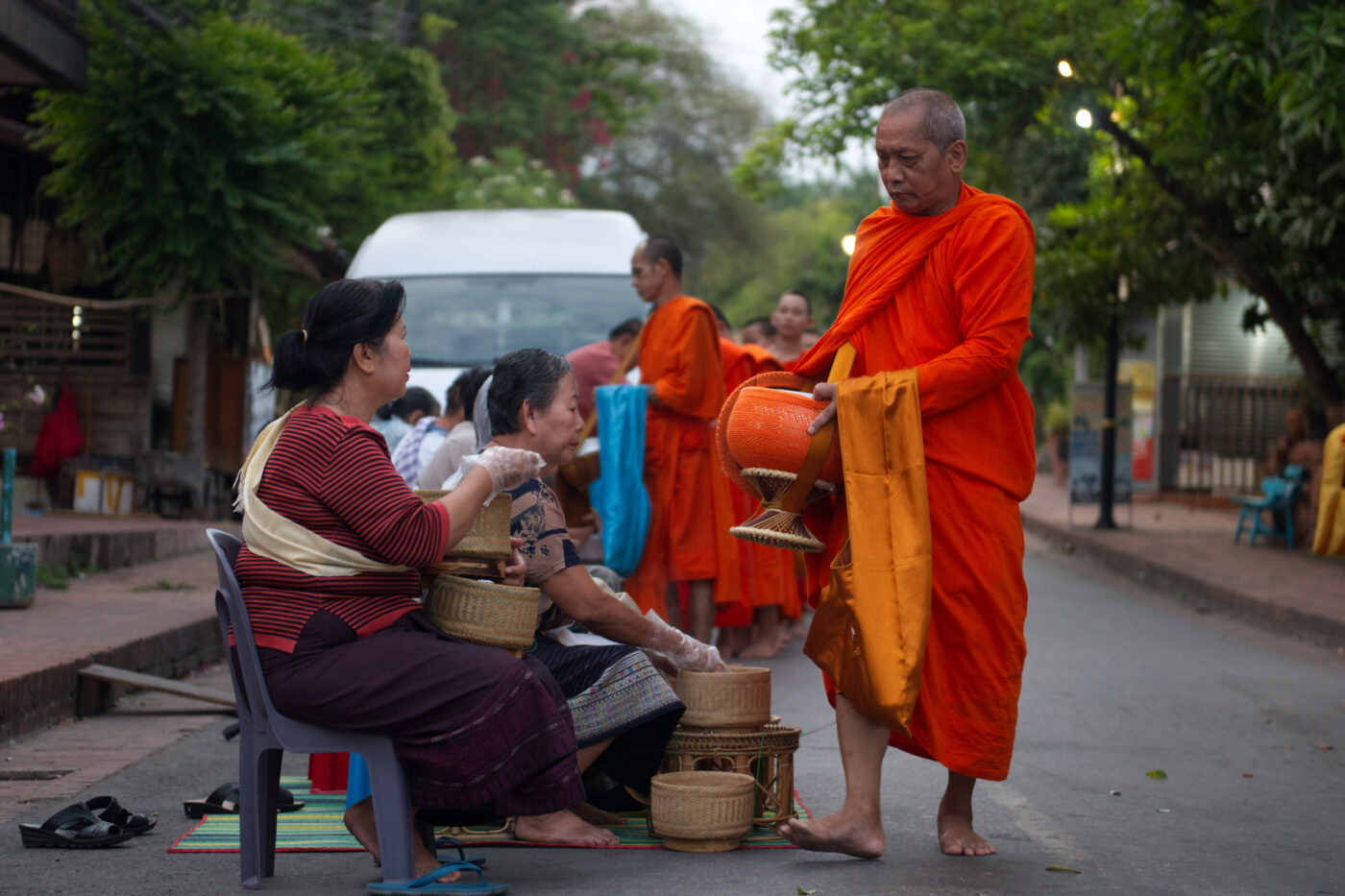
Of the three countries that were once part of French Indochina, Laos is perhaps the least talked about, and historically, the least centralized. Before colonial rule, there wasn’t a unified Laotian state as we know it today. The region was a patchwork of small kingdoms. Over time, these kingdoms fractured, and much of the territory fell under the control of Thailand, serving as a vassal state for over a century.
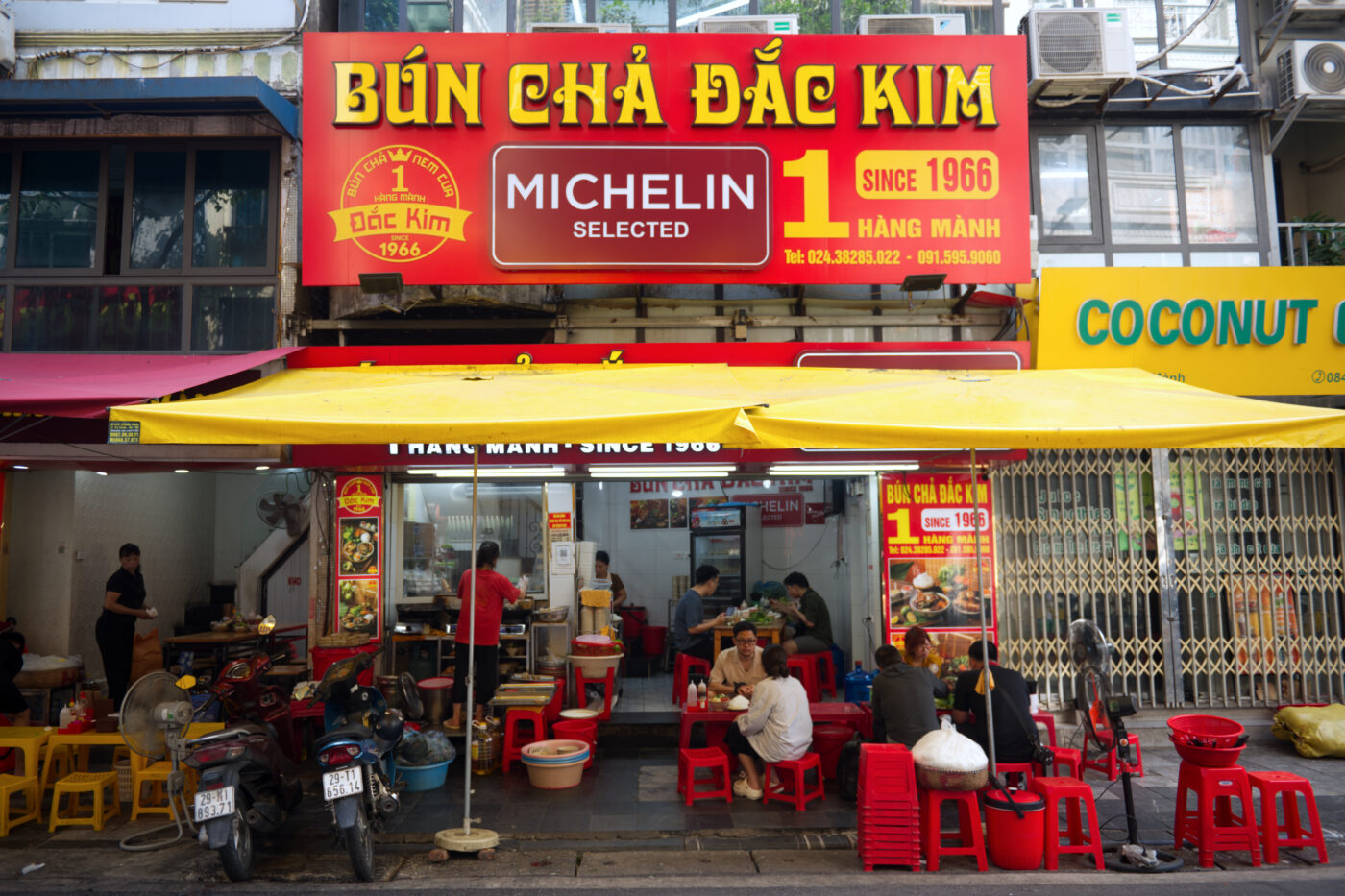
After wrapping up my motorcycle ride through Ha Giang, I caught a bus back to Hanoi and arrived late last night. I was only in town for a day before heading to Laos, but I’ll be back, and when I am, I’ll finally give Hanoi a proper introduction. For now, I just wanted to share a story that’s equal parts sad and unintentionally funny.
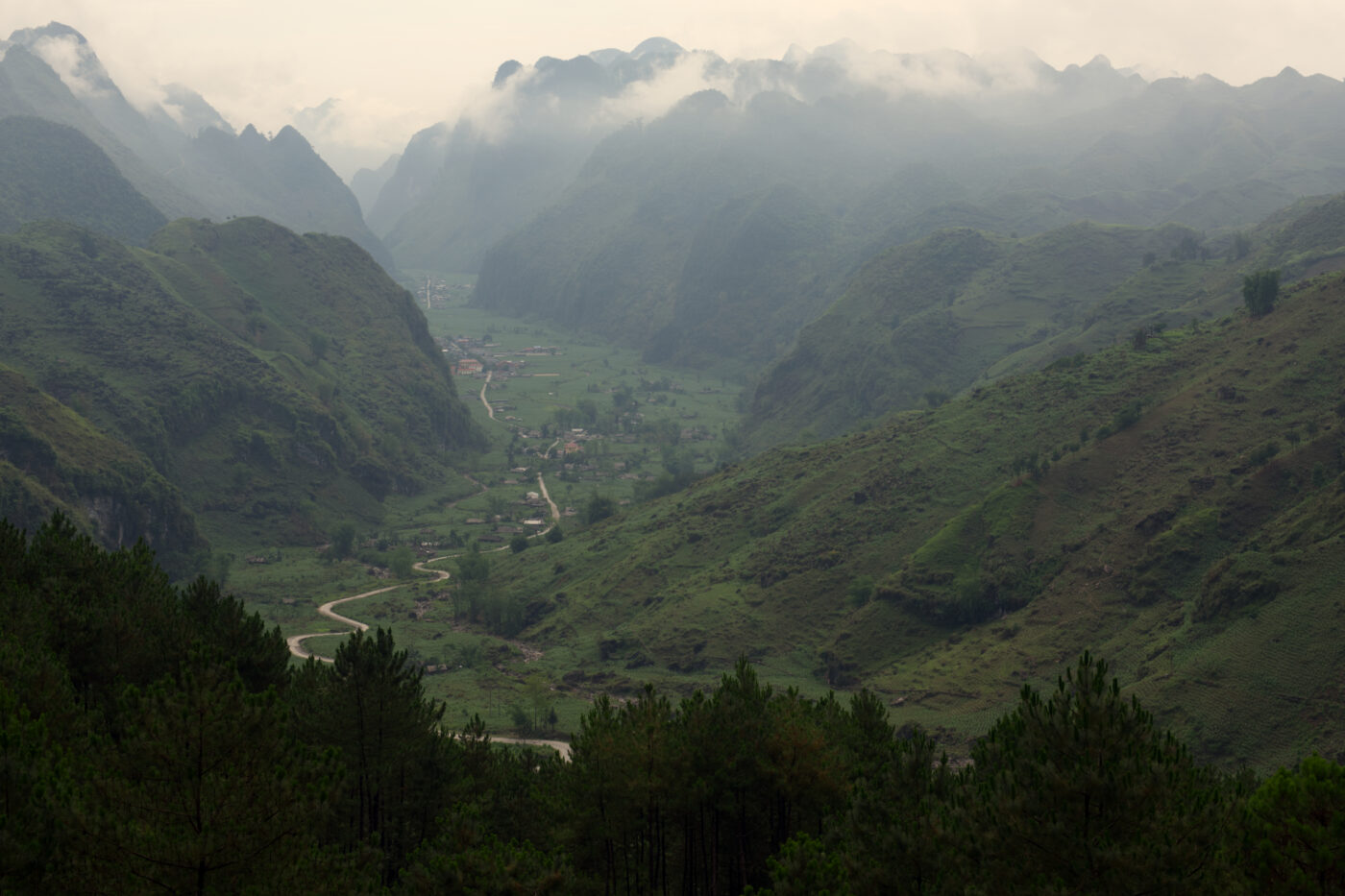
Today’s my last day on the Ha Giang Loop. Unlike the first three days, which mostly follow a tried-and-true route, the final leg offers several variations. I chose a lesser-known path, one I pieced together (or maybe made up?) from a map that didn’t even list highway numbers, hoping it would make for a more interesting ride.
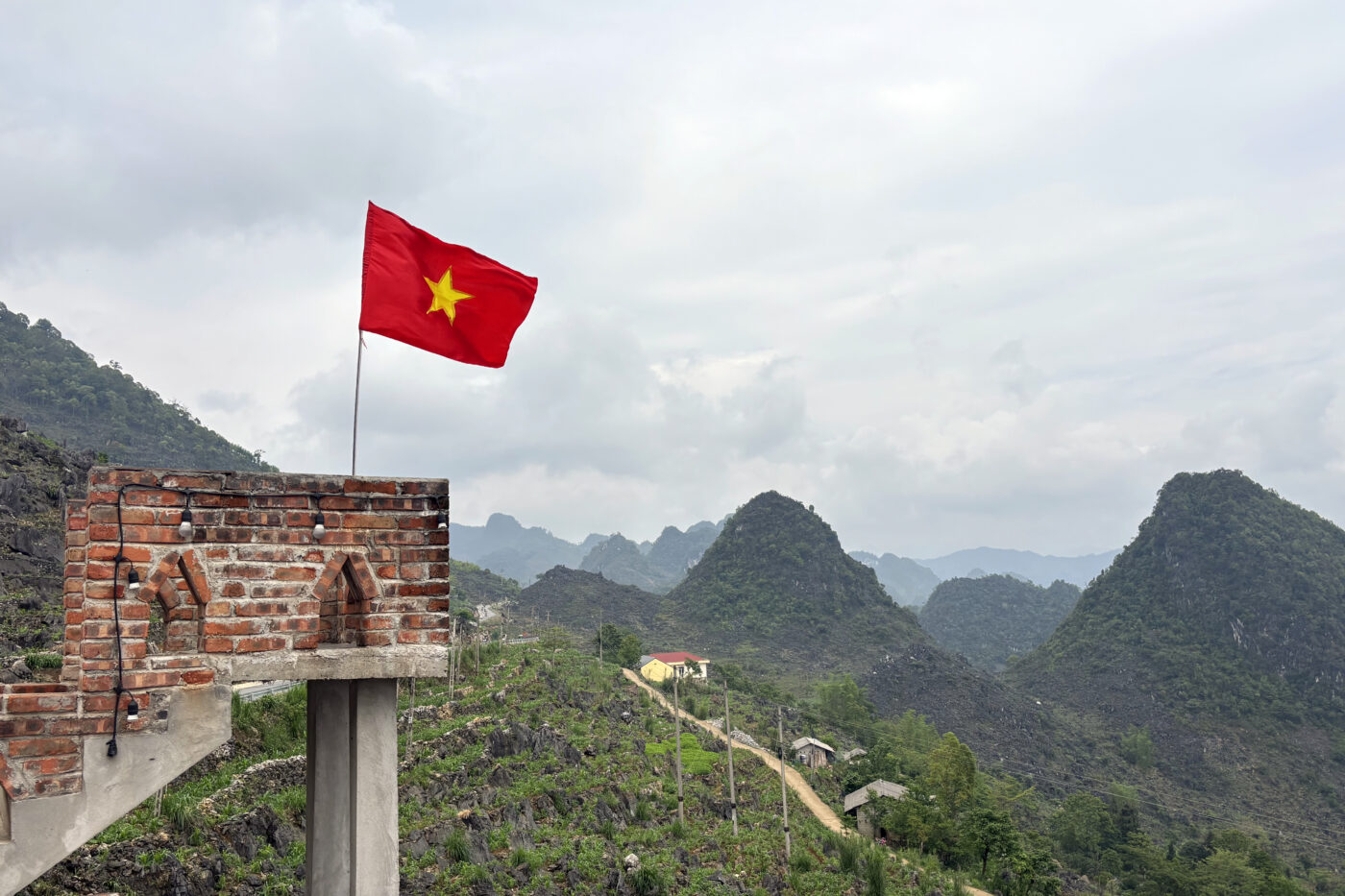
Today marks the 50th anniversary of the fall of Saigon. Or, as it’s known in Vietnam, Reunification Day. While the city of Saigon fell on April 30, 1975, the seeds of its collapse were planted years earlier. The U.S. signed the Paris Peace Accords in 1973 and began withdrawing its troops, officially ending American combat involvement in Vietnam. But the support didn’t end there. The U.S. continued supplying the South Vietnamese government with weapons, funding, and equipment, and for a time, it seemed like South Vietnam might be able to hold out.
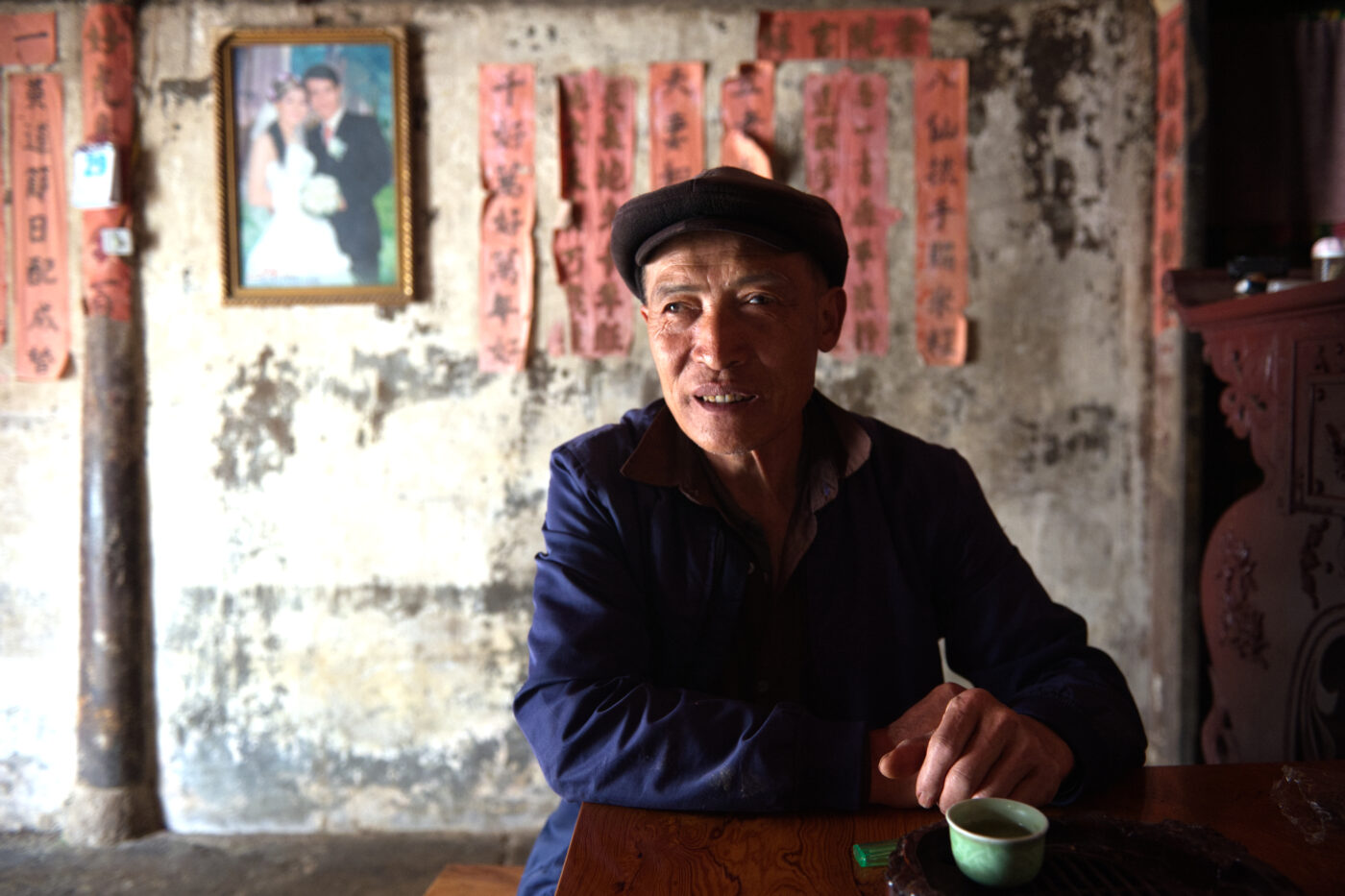
This morning I left Yen Minh and made my first stop in Pho Bang. It’s a small town near the Chinese border. Previously, it was an important trading hub between China and Vietnam, but those days have long passed. It’s little known now, but remembered for its old Chinese-style homes, low-slung, earth-toned buildings made of clay bricks or rammed earth, with wooden beams, tiled roofs, and inner courtyards. They’re weathered and quiet, but they still carry the feel of a different era.
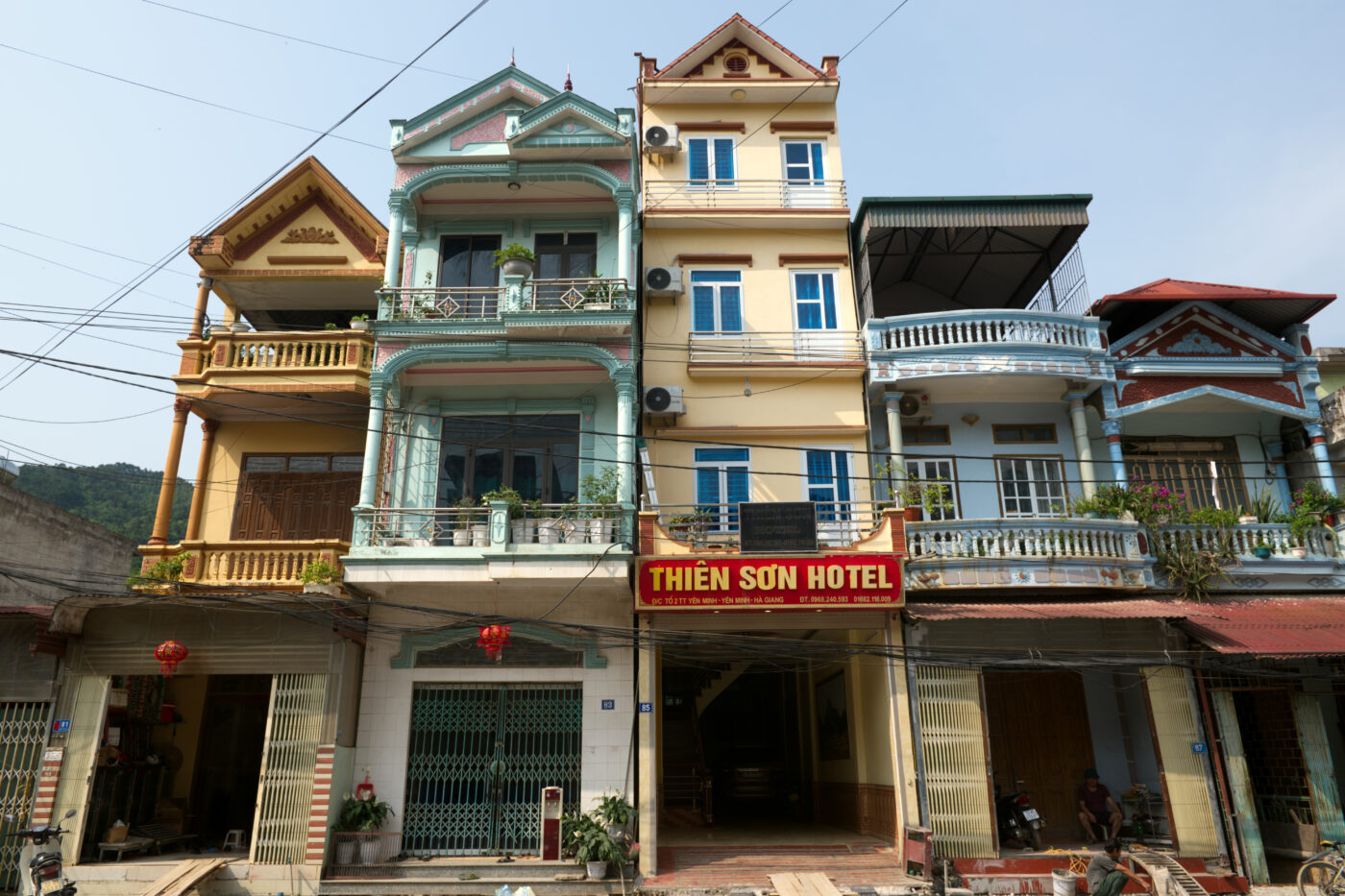
Today, I set off on the Ha Giang Loop! To keep with the Vietnamese food theme, I present to you my riding partner: Bun Bo (short for bun bo hue, a Vietnamese noodle dish). Like Banh Mi, she’s another Honda XR150. I’ve grown to like these little underpowered dirt bikes, they’re simple, reliable, and perfect for trips like this.
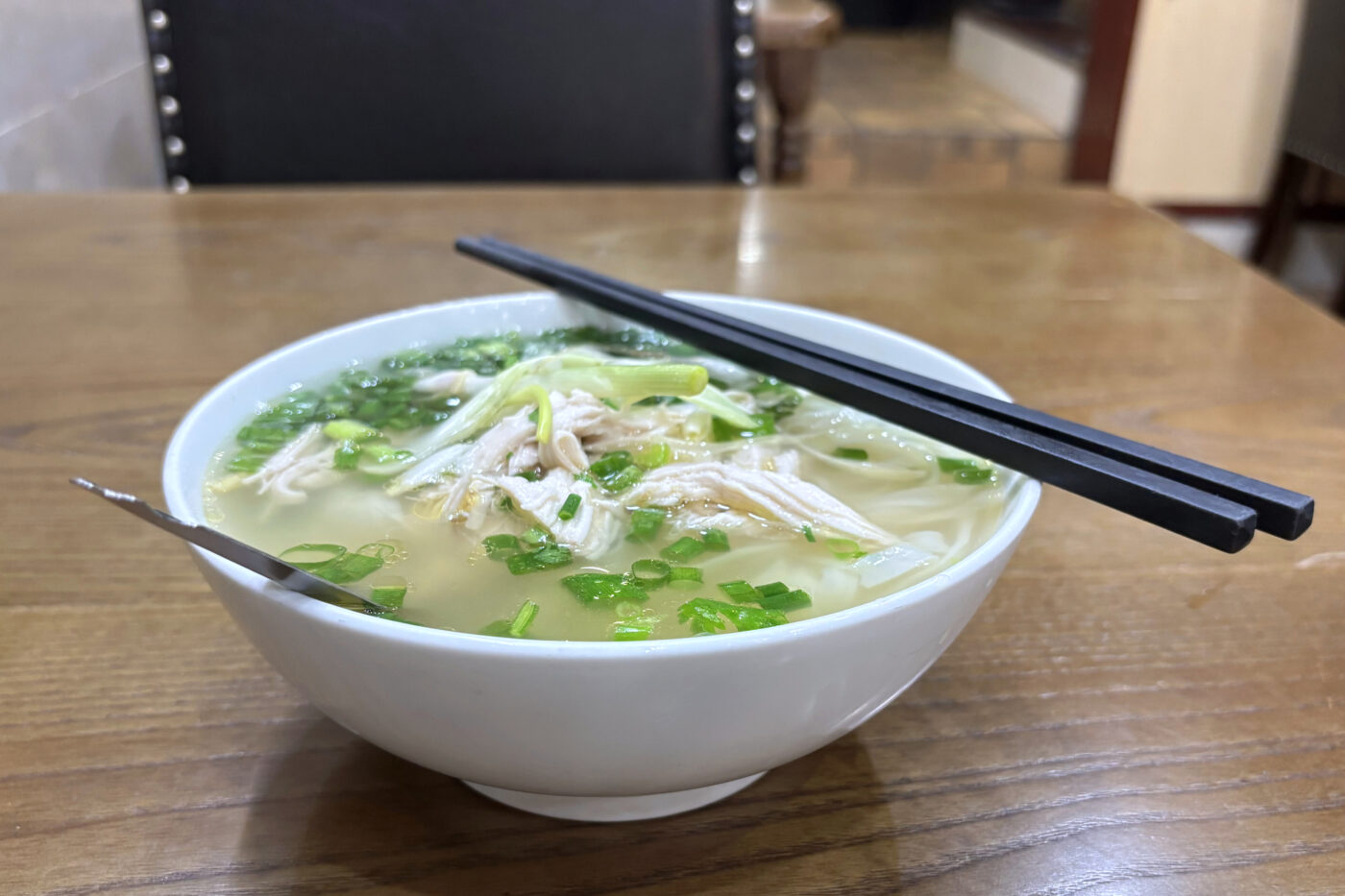
This morning, I had my first taste of northern-style pho in a long time. Northern pho is simpler than its southern cousin, the broth is cleaner, the toppings are minimal, and it usually comes with just a few herbs. Southern pho, which is what most Americans are used to, tends to be heavier, sweeter, and loaded with garnishes like bean sprouts, basil, and hoisin sauce. Eating it again reminded me how much I prefer the broth of northern-style pho.
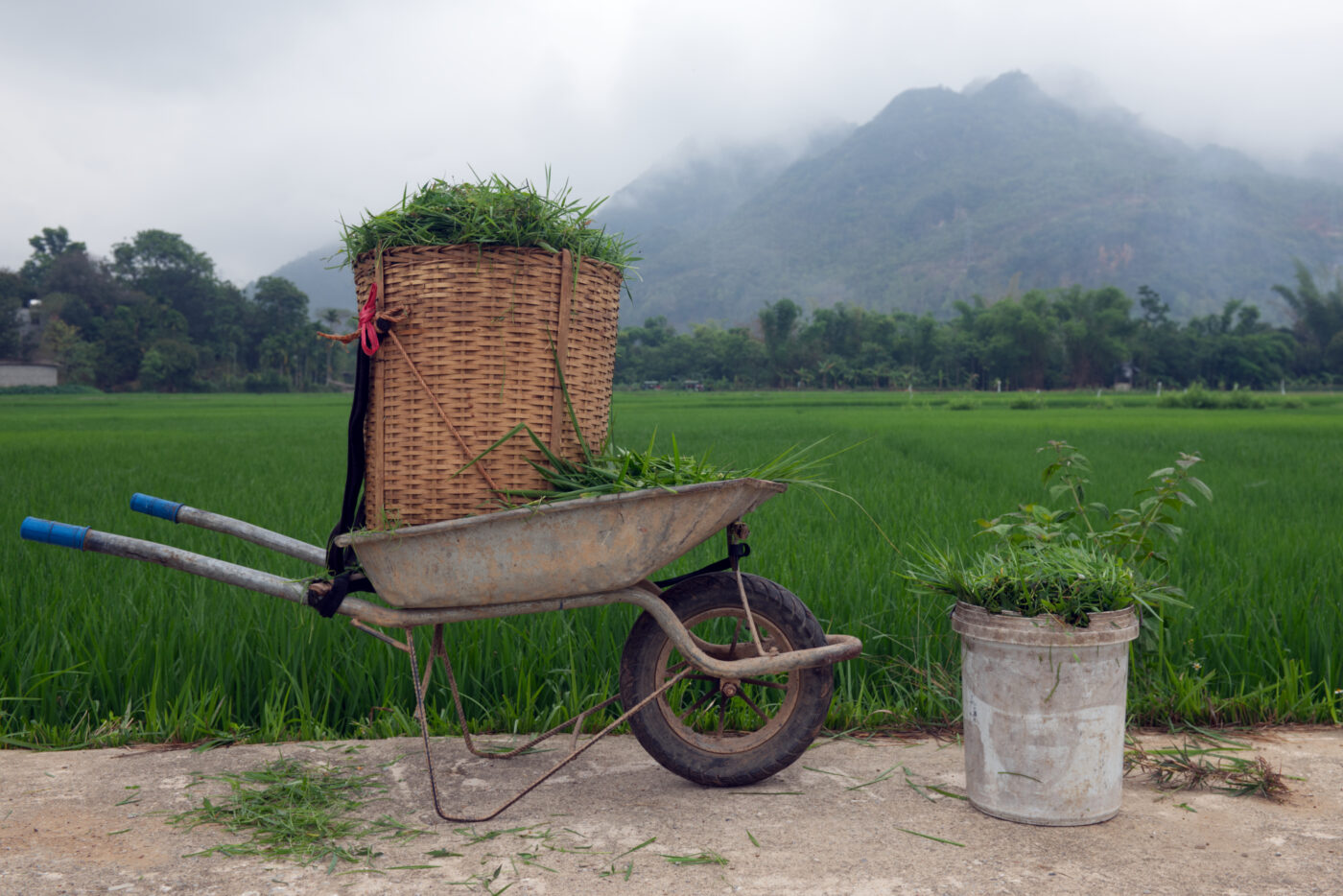
This morning I spent time observing the early morning rituals of village life. Out in the fields, I noticed many people weeding the rice paddies. Weeding is essential for rice farming, if left unchecked, weeds can choke out young rice plants and rob them of vital nutrients. Farmers often collect them for practical uses: some are edible, others have medicinal uses, and many are collected as feed for livestock.
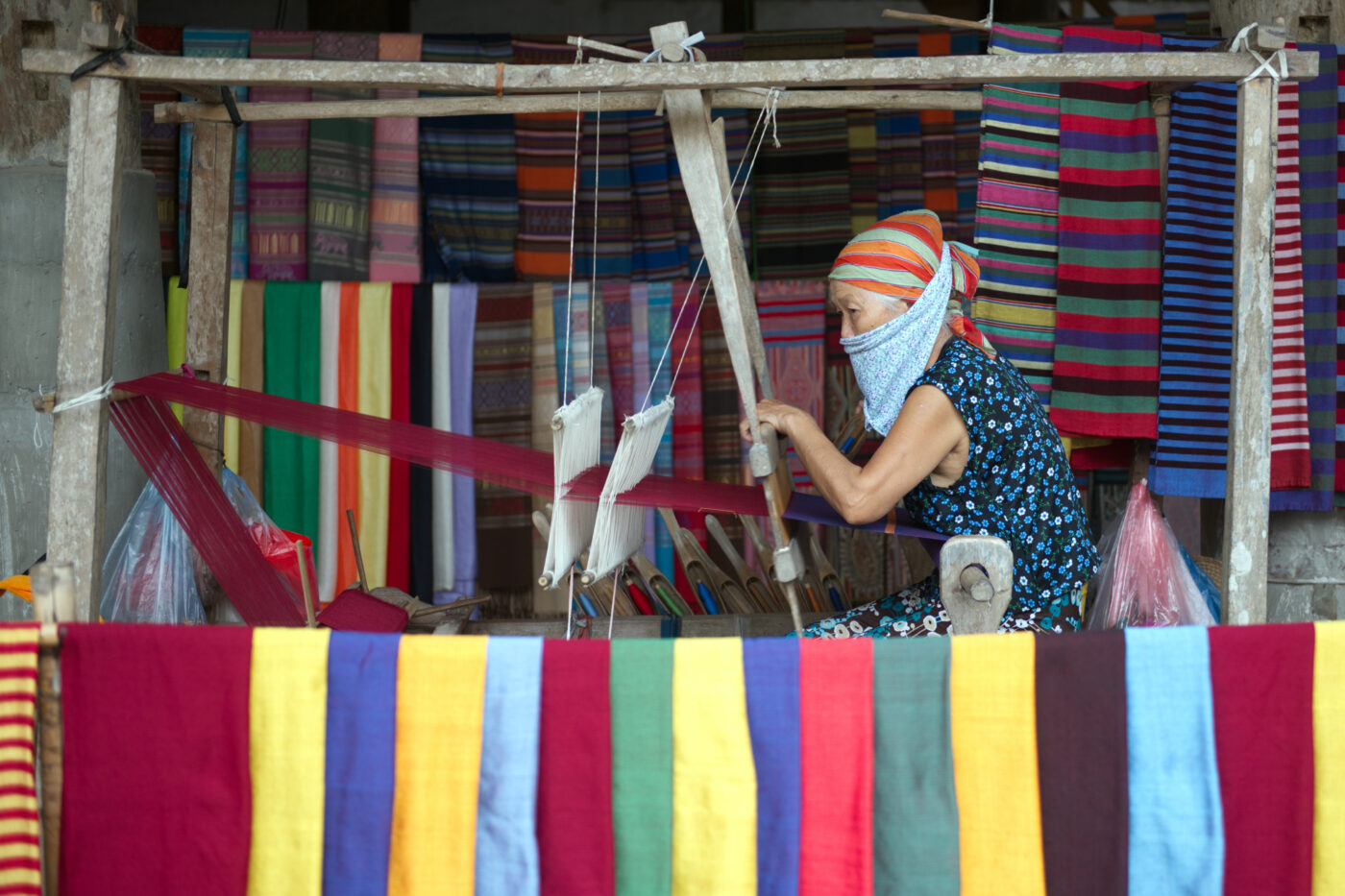
This morning I left Pu Luong. While waiting for my van, I spent a bit more time chatting with my host. He told me he purchased this stilt home from another village and had it carefully disassembled, transported, and reassembled at its current site. When I asked why he didn’t just build something new, he explained that it would be difficult to replicate this traditional Thai style from scratch.
Error: No feed found.
Please go to the Instagram Feed settings page to create a feed.