I made my way back to Hoi An, a historic town located in Central Vietnam. Known for its well-preserved Ancient Town, lantern-lit streets, and scenic riverfront, Hoi An was once a bustling trading port. Today, it’s one of the most photographed places in the country.

Da Lat is a city in Vietnam’s Central Highlands known for its cool climate, pine forests, and hilly terrain. Originally established by the French as a mountain retreat, it still carries traces of colonial architecture. The region’s temperate weather also makes it ideal for growing flowers, and Da Lat is now considered Vietnam’s floral capital, with colorful blooms found in markets, farms, and gardens across the city.

Today I had a ton of time to kill before my evening flight to Da Lat. I spent much of it eating. Breakfast, in particular, was fantastic. I ordered a beef stew, a baguette, and a Vietnamese iced coffee. Not only was the food delicious, but it only cost $2 USD. Nothing beats good food and a great deal!
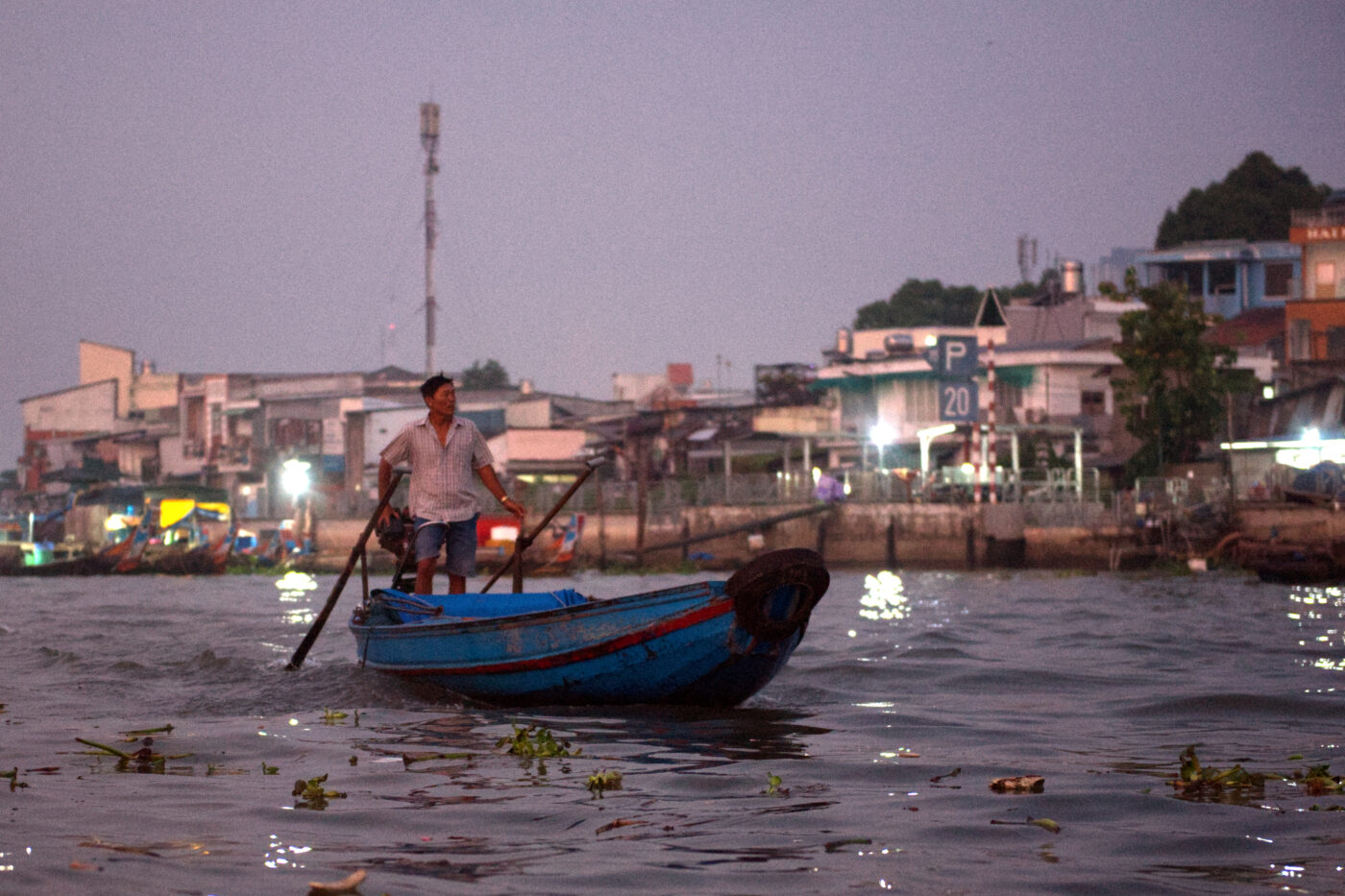
The Mekong Delta has changed hands many times throughout history. Once part of the Khmer Empire, it’s still known to Cambodians as Kampuchea Krom, or “Lower Cambodia.” Vietnamese settlers gradually took control in the 17th and 18th centuries, and the region was later colonized by the French as part of French Indochina. After a brief period of Japanese occupation during World War II, it passed through South Vietnamese rule before being unified under communist Vietnam in 1975.
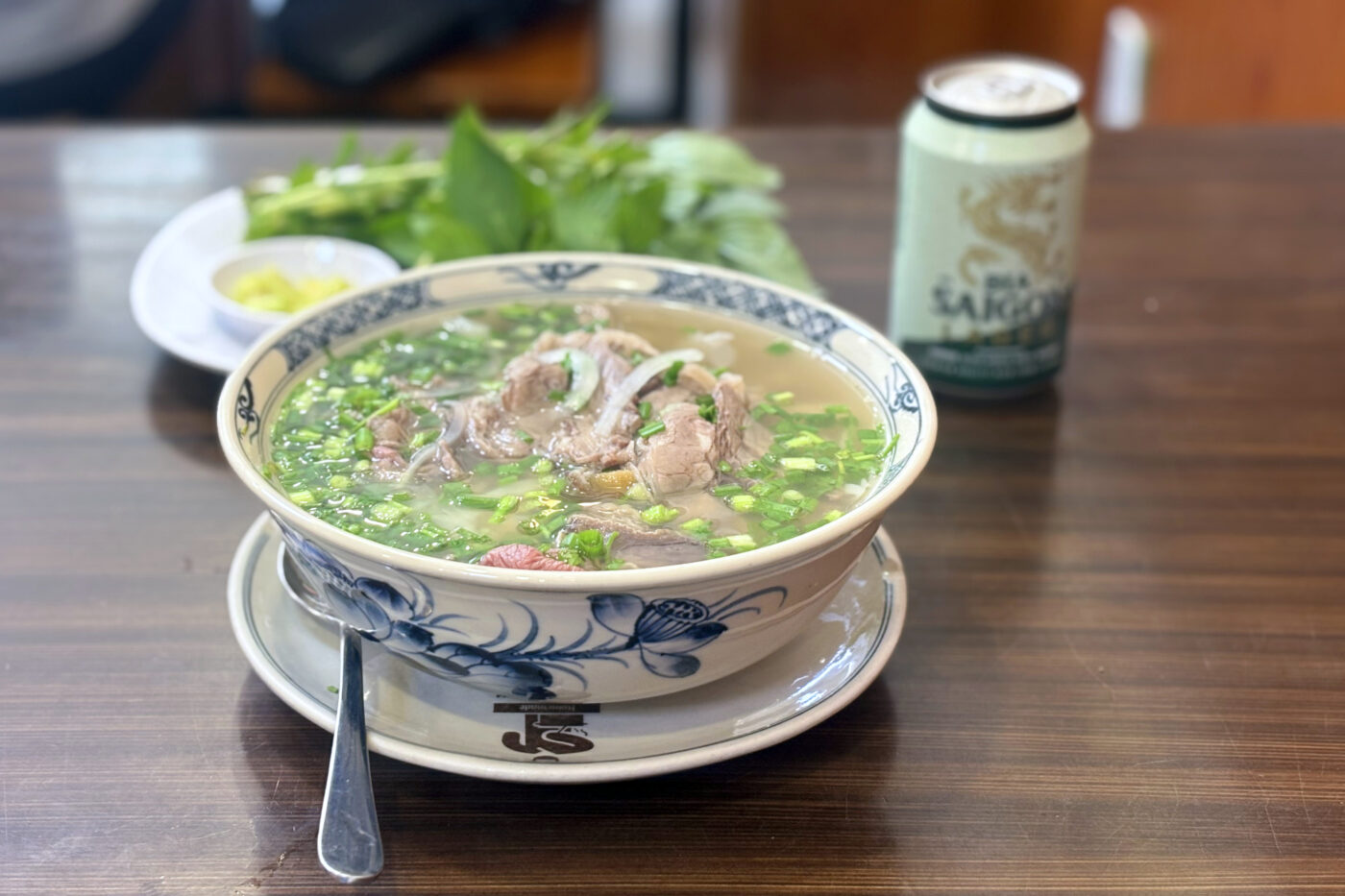
This morning I had mi kho, or Vietnamese dry noodles. They are typically served with the noodles and toppings in one bowl, and a separate bowl of broth on the side. You’re supposed to mix the noodles with the sauce at the bottom of the bowl and sip the broth separately, or alternate between bites. At first, I was eating the noodles and then drinking the broth. I thought I was doing it wrong, so I dumped the remaining broth into the noodles. Turns out, I was initially right.
Vietnam was the cornerstone of French Indochina. Of the three territories colonized by France, Vietnam, Laos, and Cambodia, Vietnam was the most populous, the most economically developed, and the most politically central to French ambitions in Southeast Asia. The French divided it into three administrative regions: Tonkin in the north, Annam in the center, and Cochinchina in the south, each governed separately to weaken any sense of national unity.
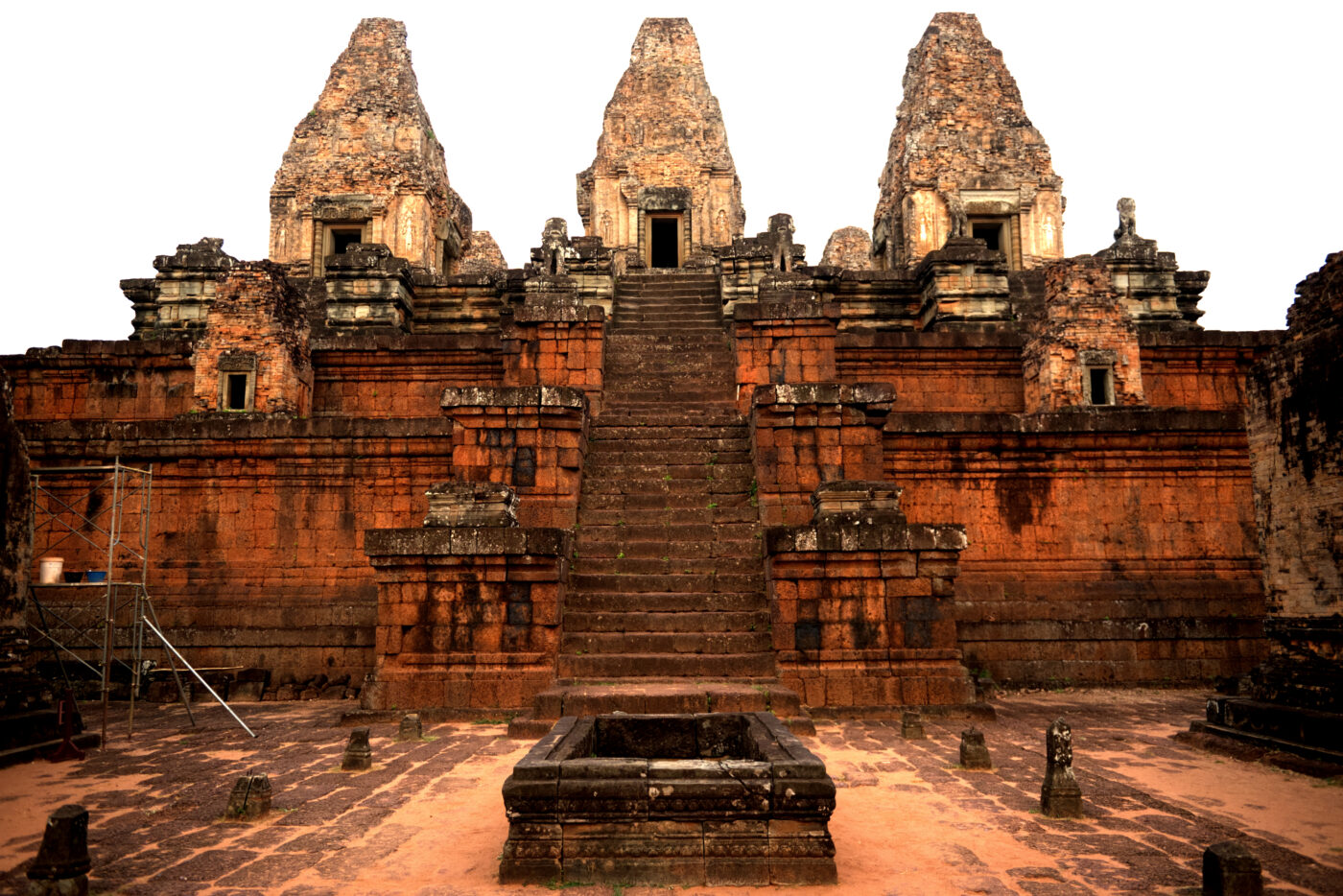
Today was my last full day in Cambodia, and I wanted to make the most of it. I woke up early again to catch the sunrise at the park, this time at sites along the Grand Circuit, a wider loop of temples that stretches beyond the more tourist-heavy Small Circuit. While the Small Circuit covers the most iconic and well-known temples, such as Angkor Wat, the Grand Circuit offers a quieter, more low-key experience, with temples that are more spread out and often less restored. I like to think of it as the park’s more rustic, unadulterated side.
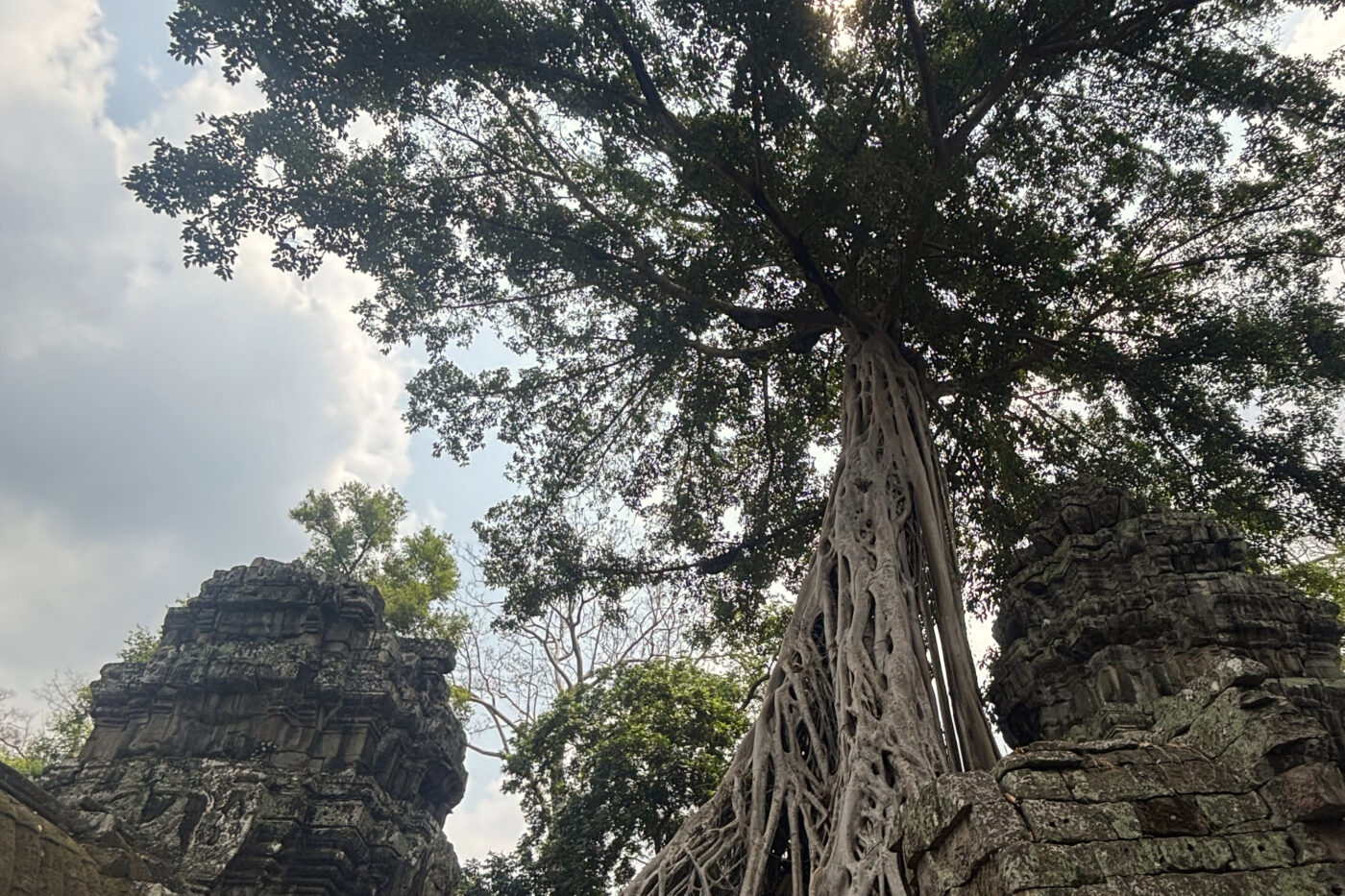
Before heading back into the park, I realized I had only scratched the surface of the Small Circuit. It turns out the Small Circuit is actually pretty big! There was no way I’d have time to even think about the Grand Circuit today. That said, below are some highlights from this visit.
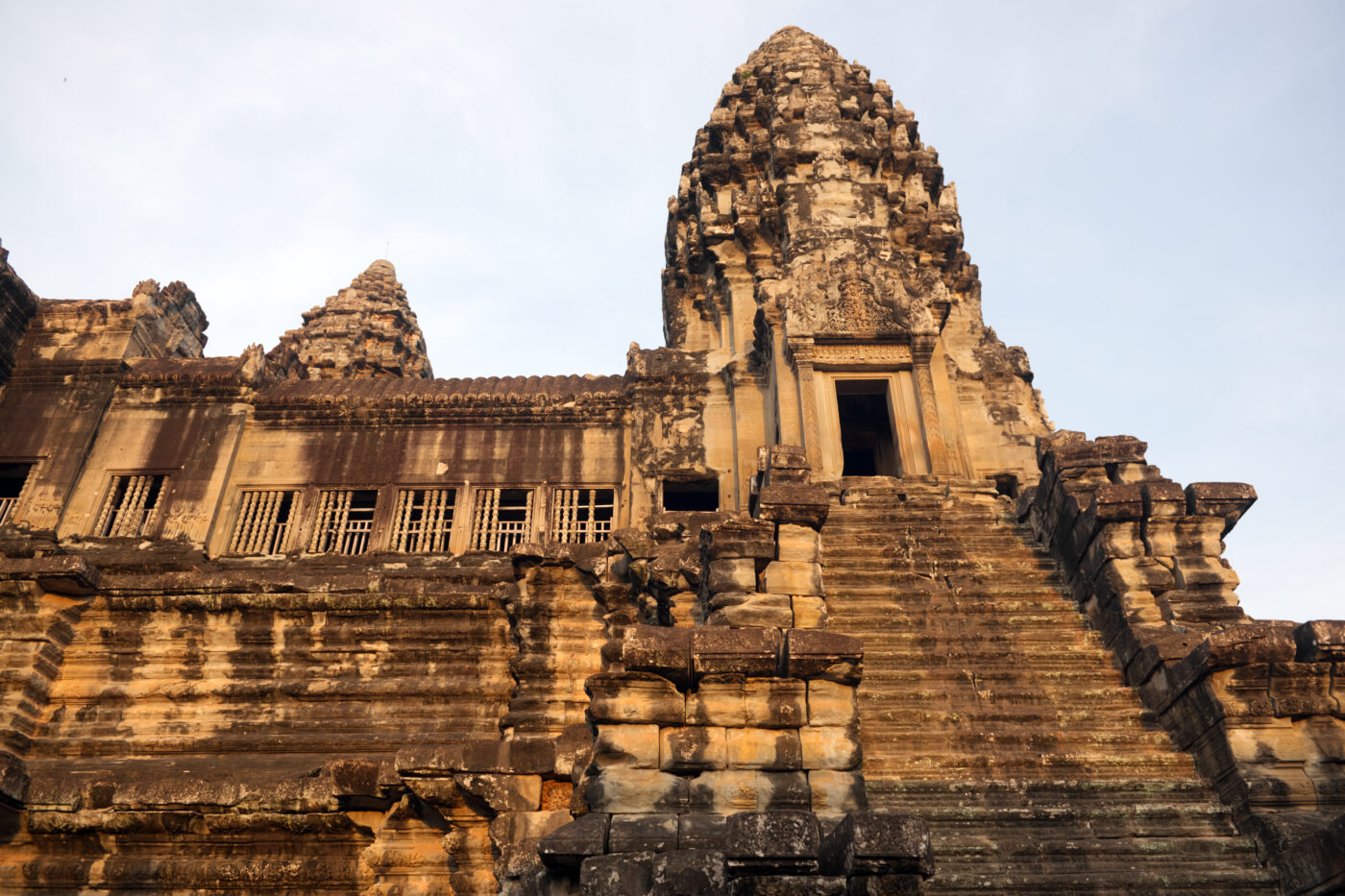
This morning I visited Angkor Wat, Cambodia’s most iconic temple and the largest religious monument in the world. Built in the early 12th century during the height of the Khmer Empire, it stood at the heart of a vast realm that once encompassed much of mainland Southeast Asia, including present-day Cambodia, Thailand, Laos, and southern Vietnam. Angkor served as both the empire’s capital and its spiritual center, with Angkor Wat originally dedicated to the Hindu god Vishnu.
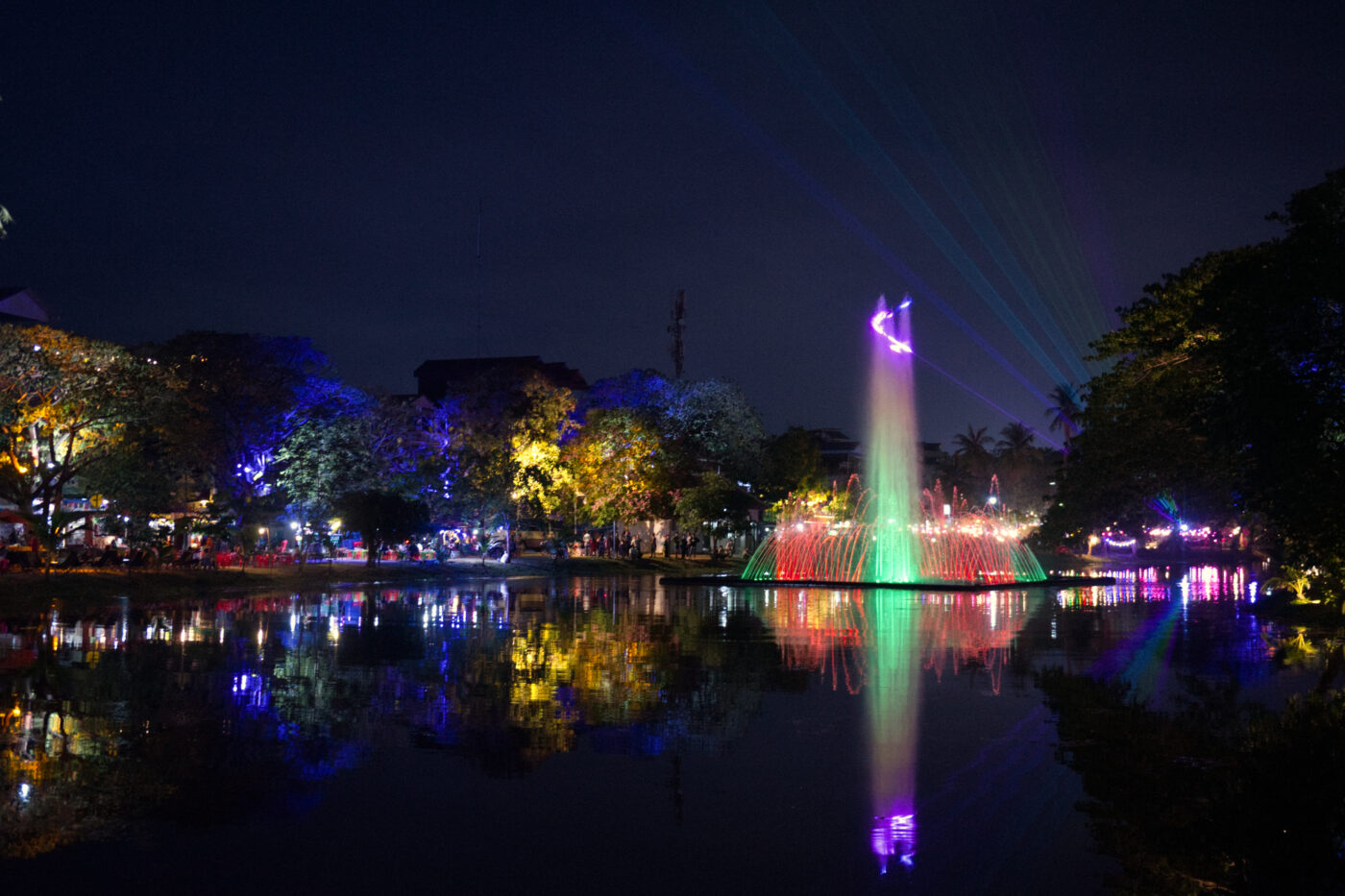
Today, I arrived in Siem Reap, a town in northwestern Cambodia. While it’s known for its markets and nightlife, most visitors come for one reason: to see Angkor Wat. I’ll be here for five days, so I’m letting myself ease into things. First on the list: lunch.
Error: No feed found.
Please go to the Instagram Feed settings page to create a feed.