This entry is part 11 of 30 in the series Coast-to-coast: San Francisco to Savannah

April 11, 2024

Coast-to-coast: San Francisco to Savannah (Part 11)

By Simon J. Lau

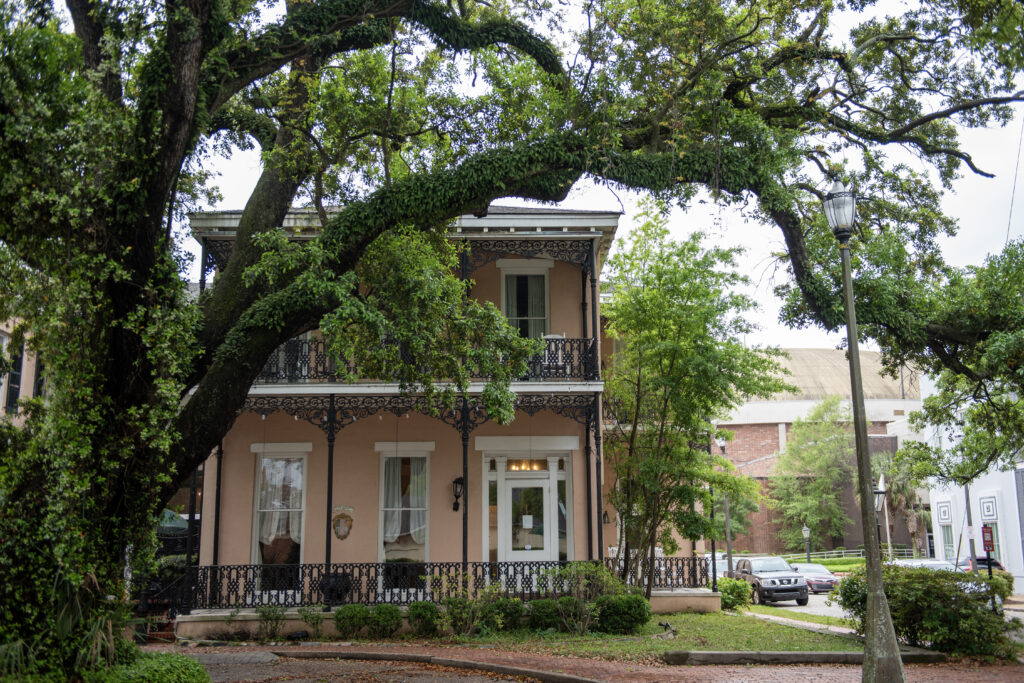
We explored downtown Mobile, which sits on the Gulf Coast at the head of Mobile Bay. Founded by the French in 1702, the city was shaped by Europeans, Native Americans, and the slave trade. Over the years, six different flags have flown here: French, English, Spanish, American, the short-lived Republic of Alabama, Confederate, and then back to American. As a strategic port during the Civil War, Mobile saw battles, blockades, and occupation by both Confederate and Union forces. After Reconstruction, the city grew again through industries like shipbuilding and manufacturing.

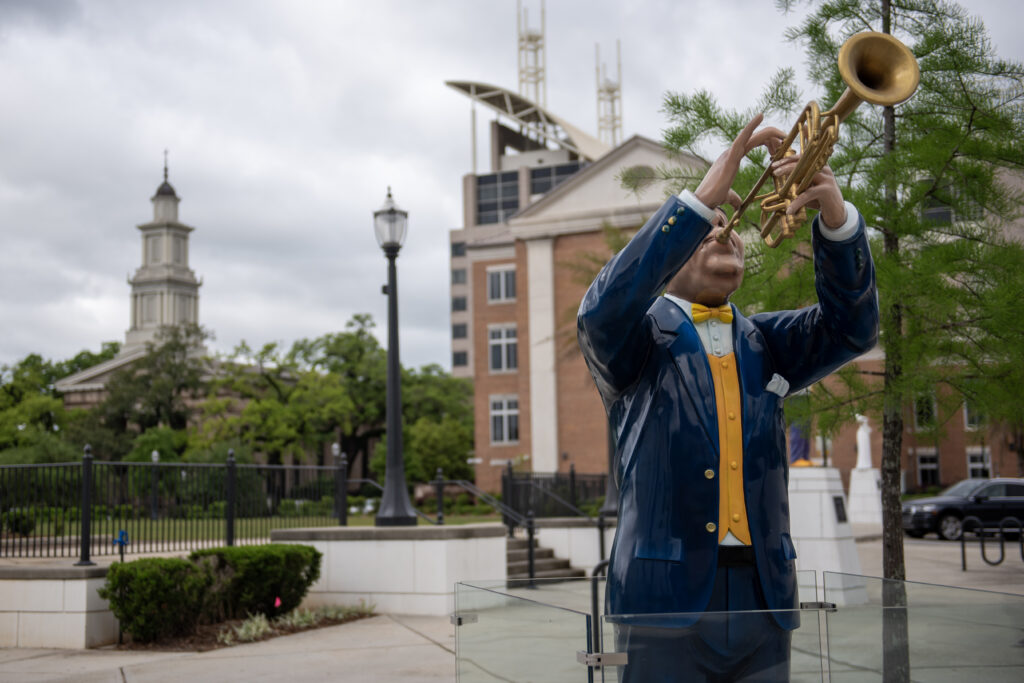
Today, you can still feel that history as you walk through downtown. The architecture mixes French, Spanish, British, and American influences, and the oak-lined streets give it a Southern feel. Unlike New Orleans, its bigger and flashier neighbor to the west, Mobile feels quieter and more low-key. Fewer crowds, none of the over-the-top party vibe, and more of a laid-back coastal city with its own rhythm.

Speaking of New Orleans, I was surprised to learn that Mobile, not New Orleans, is actually the birthplace of Mardi Gras in the United States. French settlers introduced the celebration here in 1703, just a year after the city was founded, making it the oldest Mardi Gras tradition in the country. Parades, balls, and masked festivities became part of the culture long before New Orleans turned it into the world-famous party we know today.

Mobile’s version is smaller and more family-friendly, but it still carries a strong sense of pageantry, with colorful floats, elaborate costumes, and the tossing of beads and trinkets. True to the city’s culture, it feels more about community, a reminder that the tradition started here.

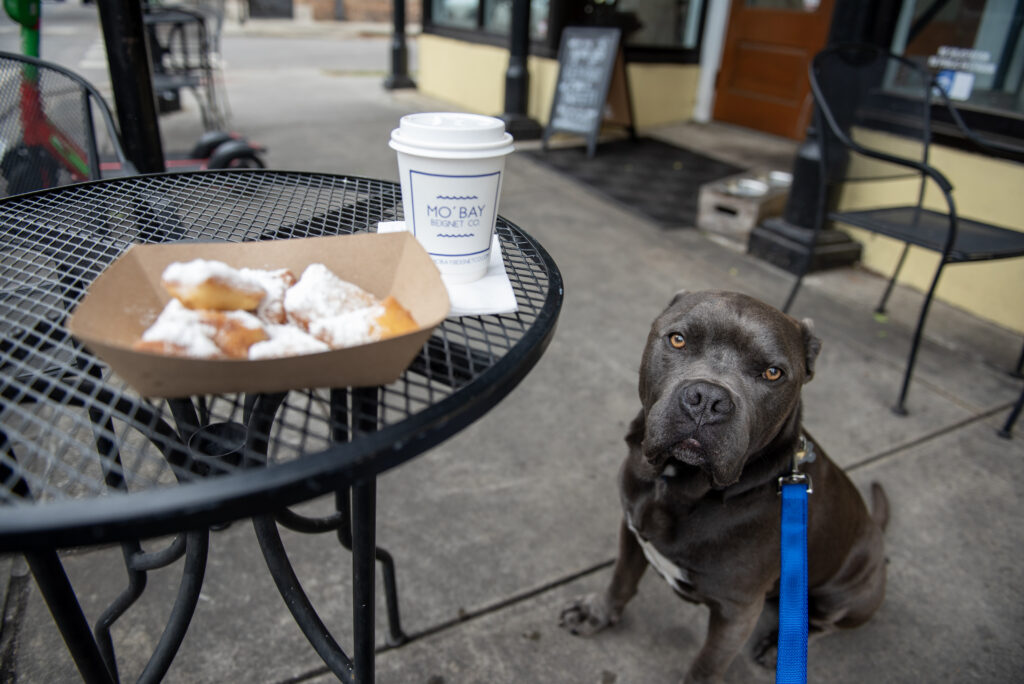
For a snack, I treated us to a plate of beignets. They’re fluffy, square-shaped doughnuts fried until golden and buried under powdered sugar. I ordered eight minis, the smallest portion they offered. Sweet, delicious, airy, and just messy enough to leave a trail of sugar everywhere.

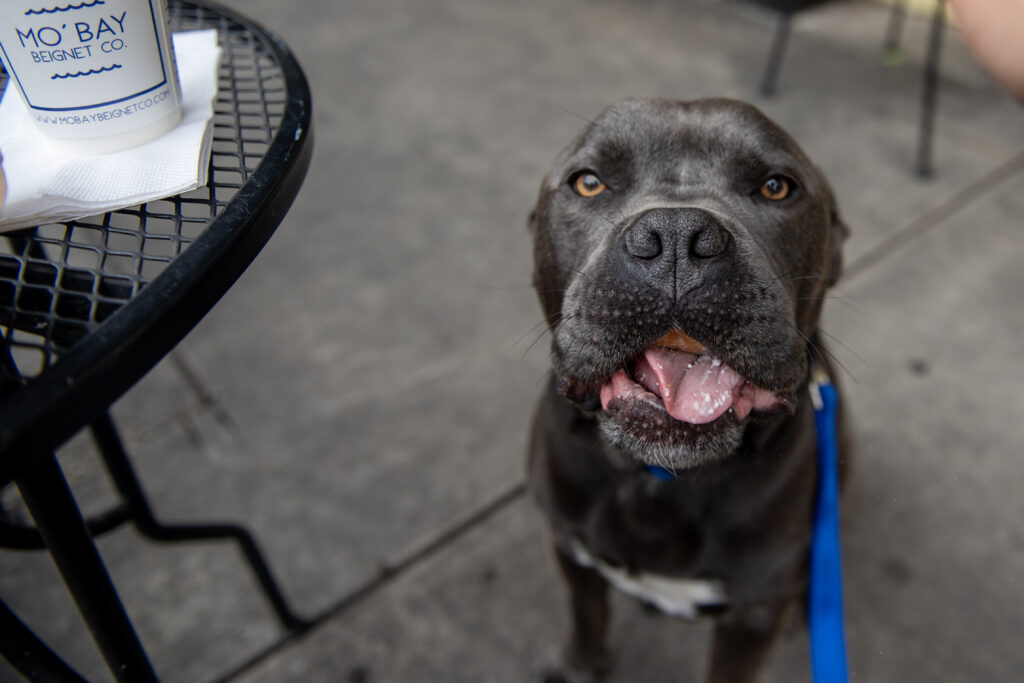
Bruno got to try them for the first time, and it’s safe to say he’s a fan. He happily polished off his share and looked more than ready to steal a few from me if I’d let him.

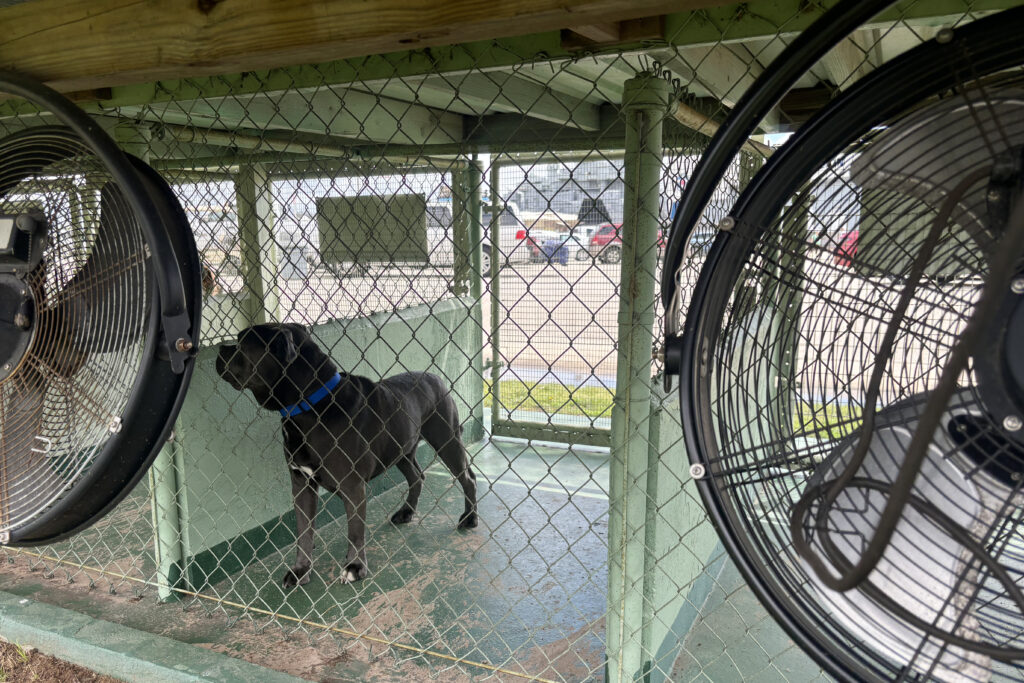
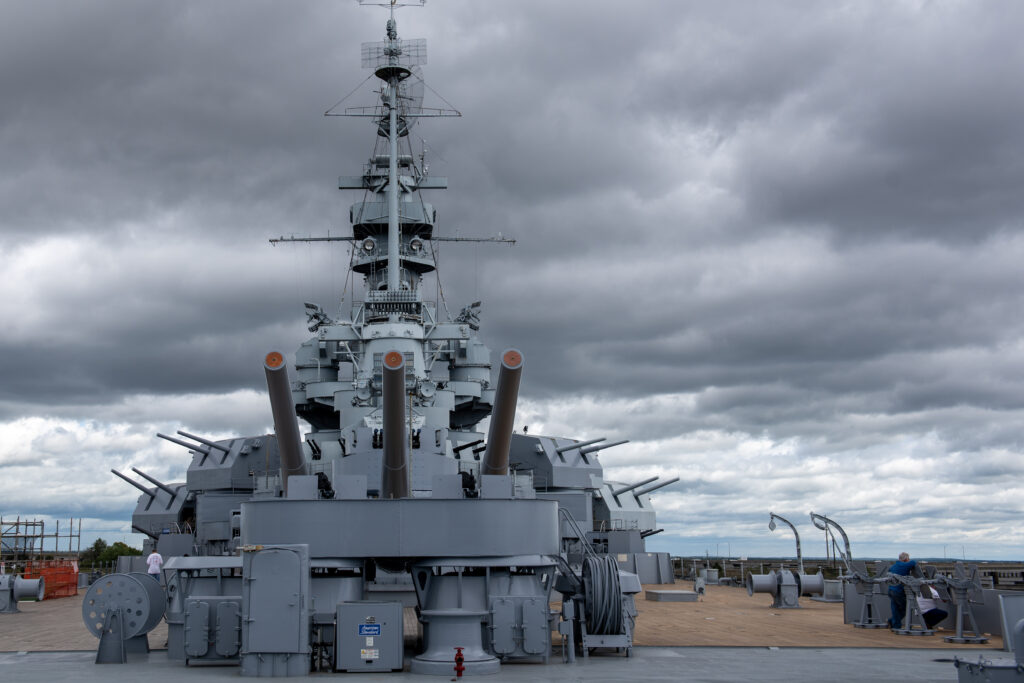
Next, we visited the USS Alabama Battleship Memorial Park. Bruno wasn’t allowed on or inside the battleship, who knows what kind of trouble he might have gotten into, but luckily the museum provides free kennels for dogs. He wasn’t exactly thrilled about it, but he waited patiently while I explored the museum.

As the name suggests, the museum’s crown jewel was the USS Alabama. Commissioned in 1942, it served with distinction during World War II in both the Atlantic and Pacific theaters. It earned nine battle stars for its service, including engagements in the Gilbert Islands, Marshall Islands, and Okinawa. After the war, the battleship was decommissioned and became a museum ship in 1965.

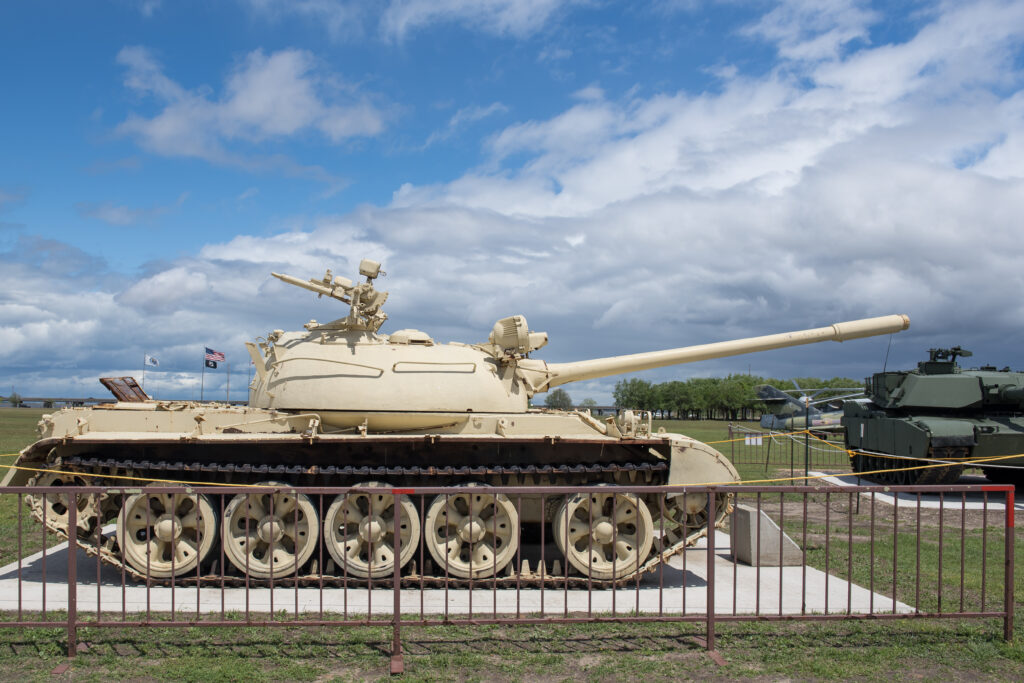
I enjoyed visiting the museum, though I was surprised by some of the items on display, like this Chinese-made Type 69 tank. There were quite a few items that had nothing to do with World War II, and that part of the collection felt out of place. That said, the battleship itself was impressive, and overall the museum was worth the visit.

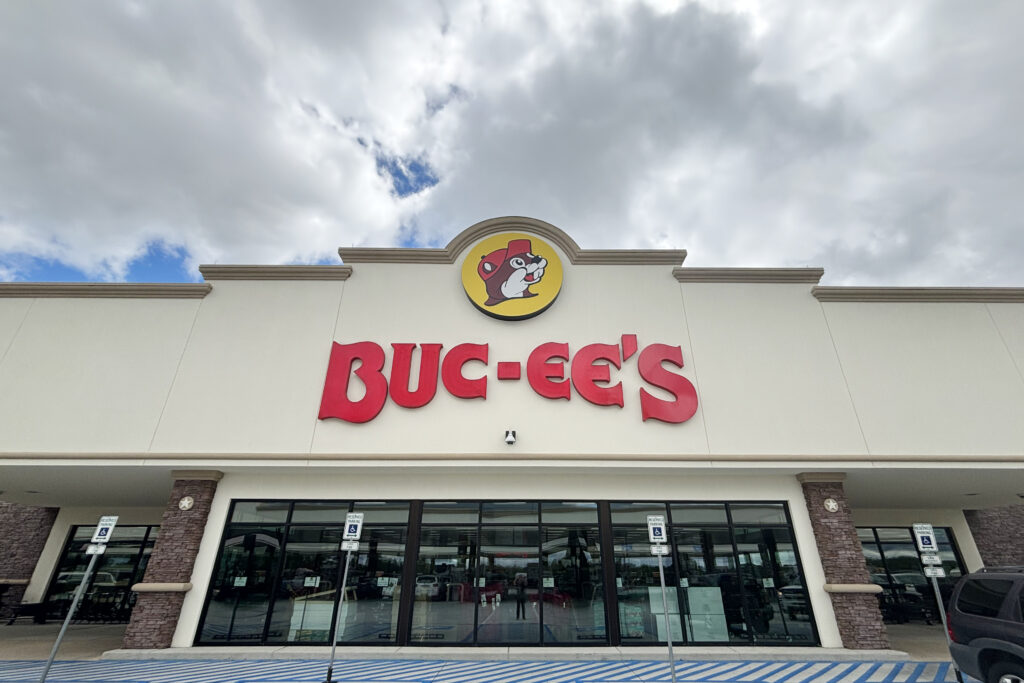
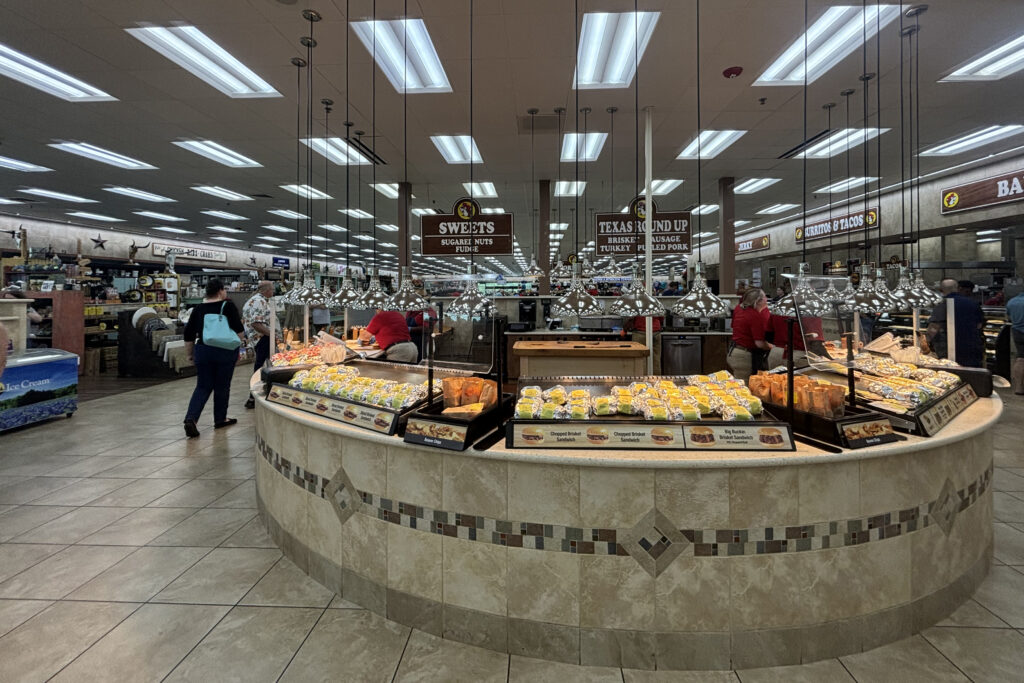
On our way to Tallahassee, we made a pit stop at Buc-ee’s, a chain of convenience stores and gas stations. Known for their massive size and endless selection of merchandise, Buc-ee’s is also famous for its spotless restrooms and, of course, its iconic beaver mascot. I loved the mascot so much that I even picked up something for Jean. I’m not saying what, it’s a surprise!

The food alone made the stop worthwhile. Buc-ee’s has everything from brisket sandwiches to fresh fudge, plus aisles of snacks you don’t normally see at a gas station. It’s not your average pit stop, more like a roadside attraction that just happens to sell gas.

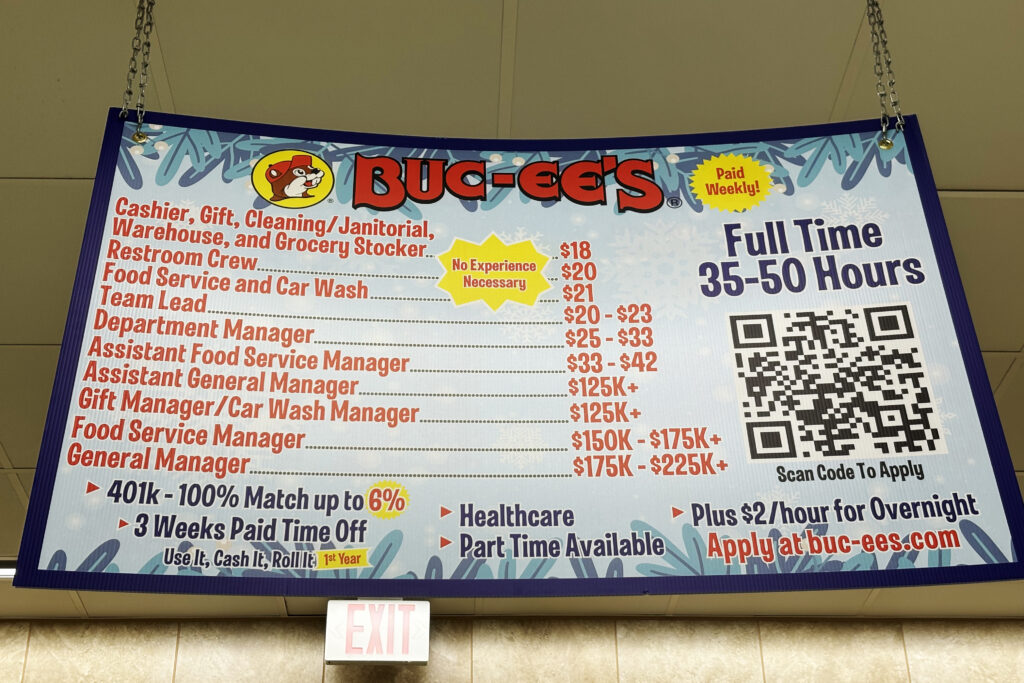
I should add that Buc-ee’s pays surprisingly well. Right at the entrance they had a recruiting sign, and a General Manager can apparently make over $175K a year. Out here, that would make you rich.

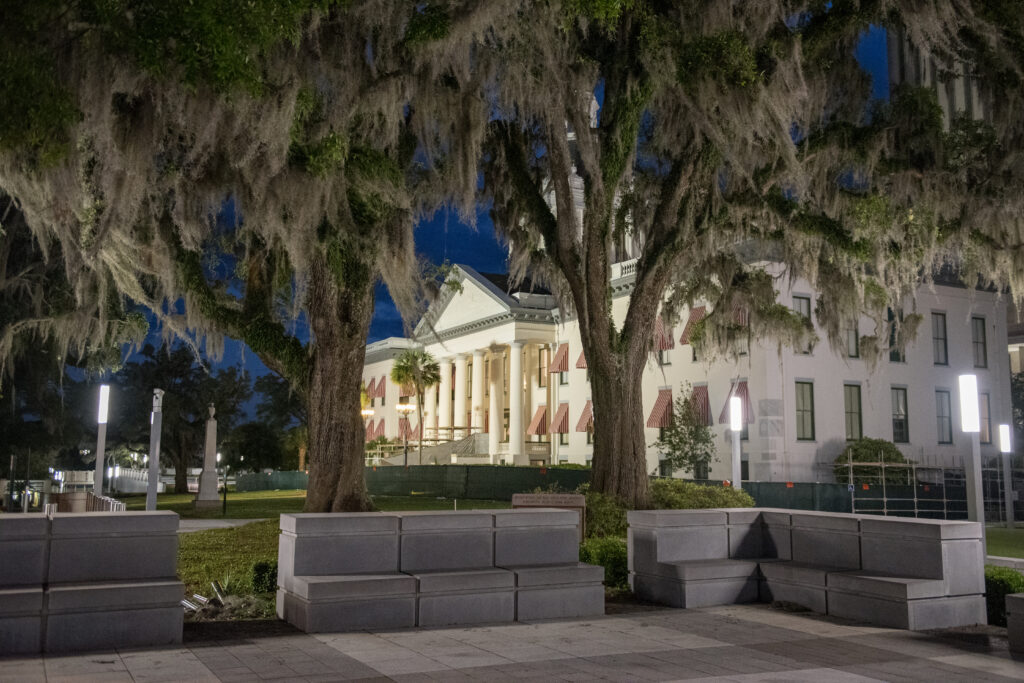
In the evening, we arrived in Tallahassee, the capital city of Florida. Our first stop was the Old Capitol, a bright white building with a dome and tall columns out front. The grounds were neat and well kept, with wide steps leading up to the entrance and palm trees framing the view. Standing there, it really felt like the centerpiece of the city.

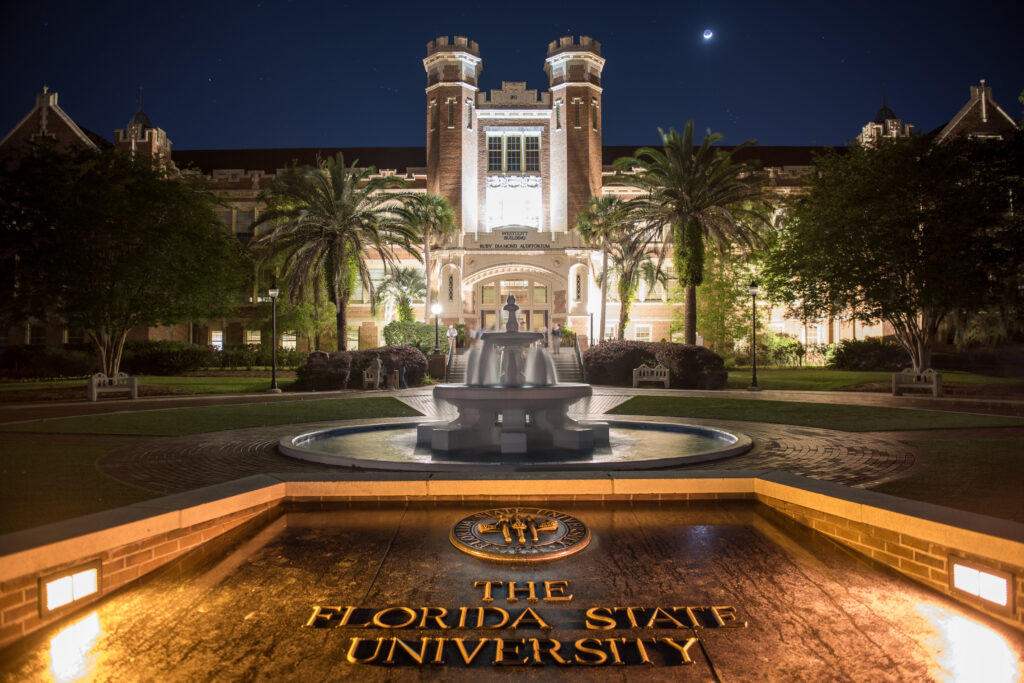
Down the street from the Old Capitol is Florida State University. It’s a beautiful campus with big trees and classic college architecture. Since it was a Thursday night, the place was buzzing, plenty of students out at bars and hanging around campus, living up to FSU’s reputation as a party school.

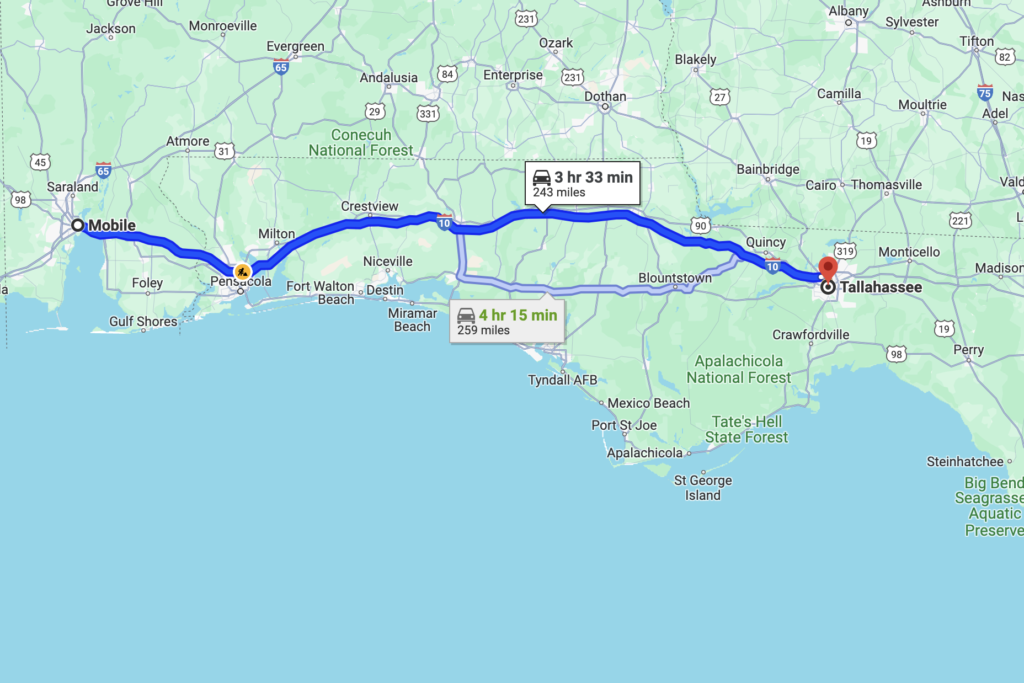
Finally, our route from Mobile to Tallahassee (243 miles or 391 km).

Prev Coast-to-coast: San Francisco to Savannah (Part 10)
Next Coast-to-coast: San Francisco to Savannah (Part 12)

Comments are closed.