Coast-to-coast: San Francisco to Savannah (Part 20)
By Simon J. Lau
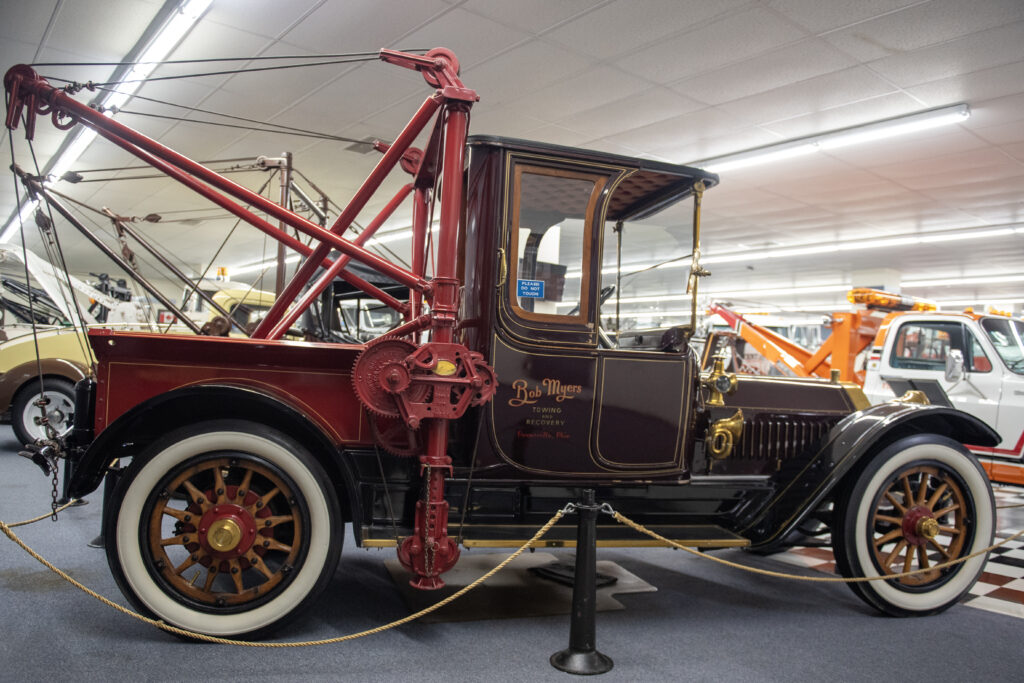
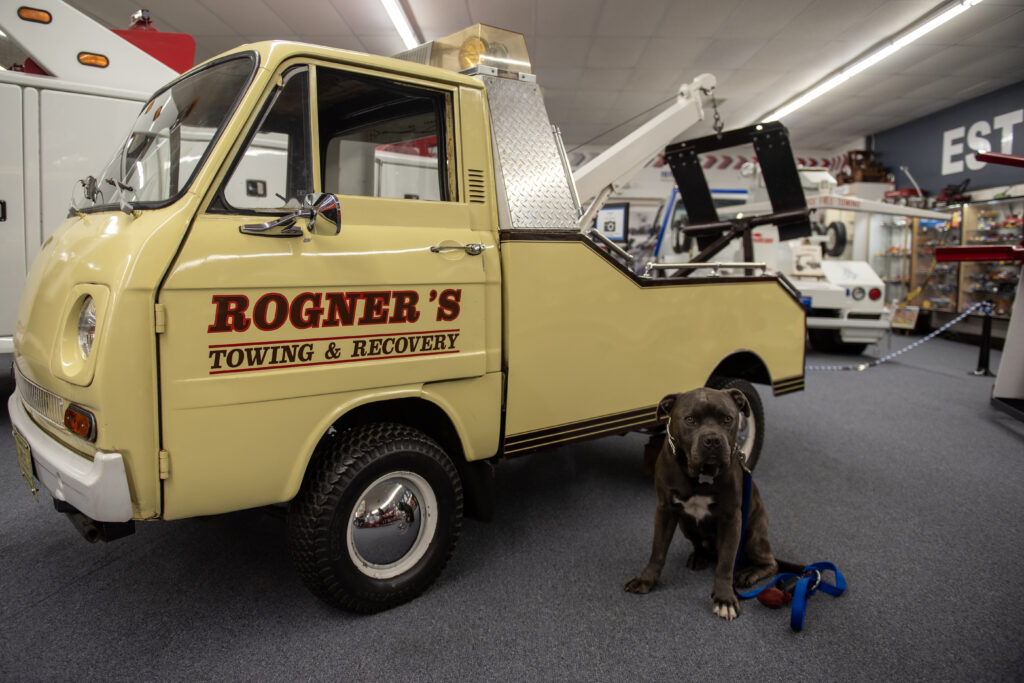
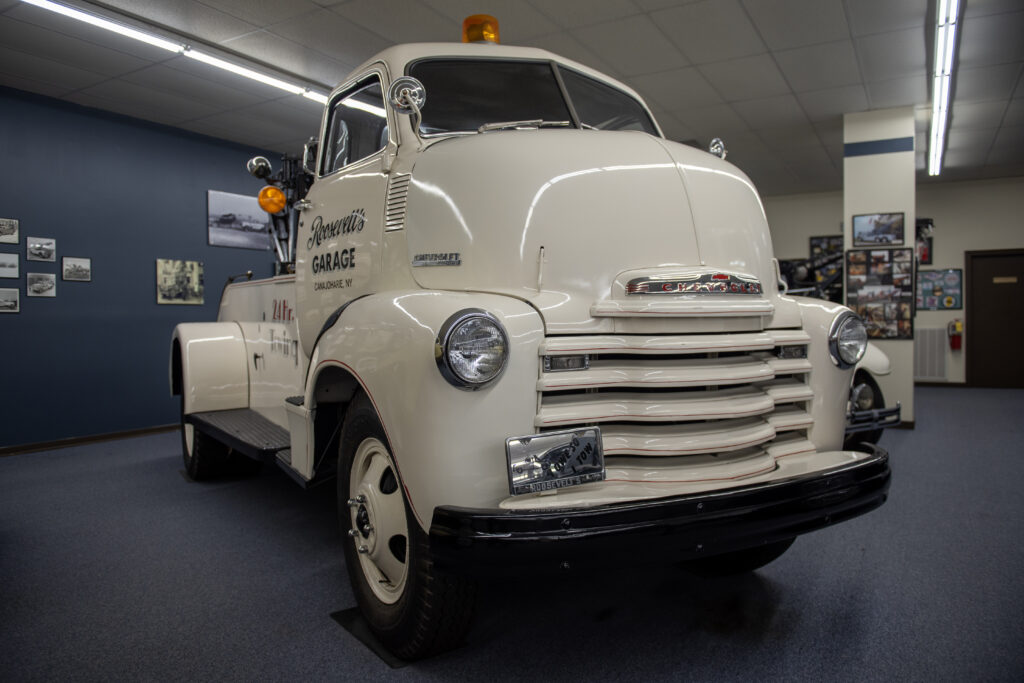
We visited the International Towing & Recovery Museum in Chattanooga. It’s dedicated to preserving the history of the towing industry, with a collection of vintage trucks, equipment, and memorabilia that trace the evolution of towing technology. Fittingly, the museum is located here because Chattanooga is credited as the birthplace of the tow truck.
Random, I know, but the place had amazing reviews. One big plus was that it’s dog-friendly, which meant Bruno could come along. Just as important, it was the first museum on this trip that really stuck to its core identity. No sprawling side collections or distractions, just tow trucks and the history that surrounds them. It ended up being the best museum I’ve visited so far on this trip.
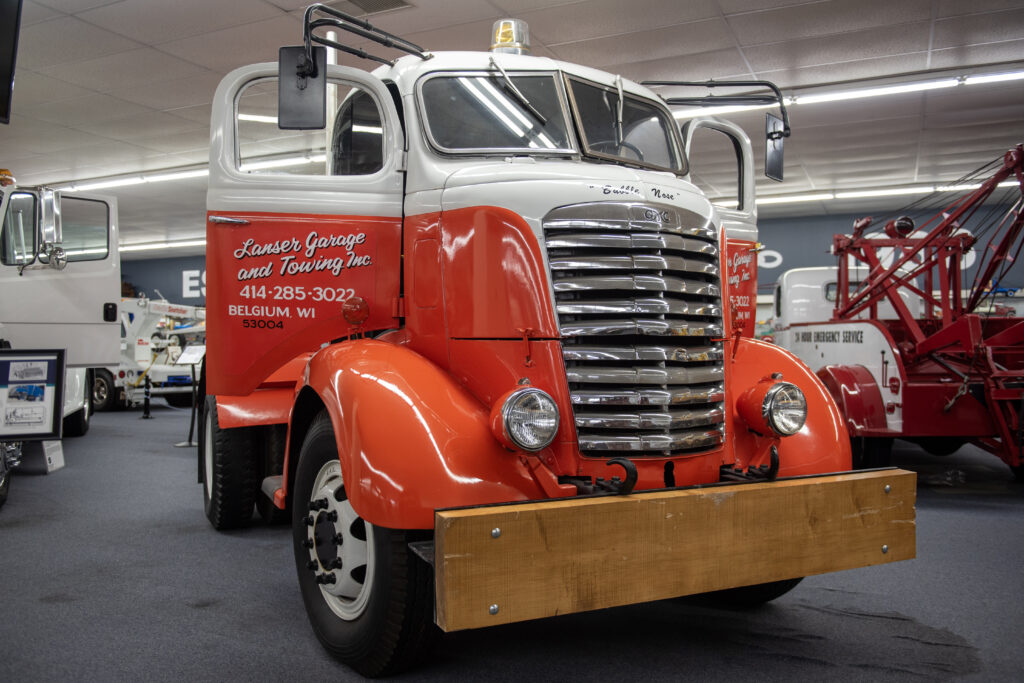
The first time I ever heard of a COE (cabin over engine) design was in a video comparing American and European semi-trailer trucks. In Europe, most semis are COEs, with the cab sitting directly above the engine, while in the US we favor conventional bonneted trucks with the cab set behind the engine. Much of this difference comes down to regulation.
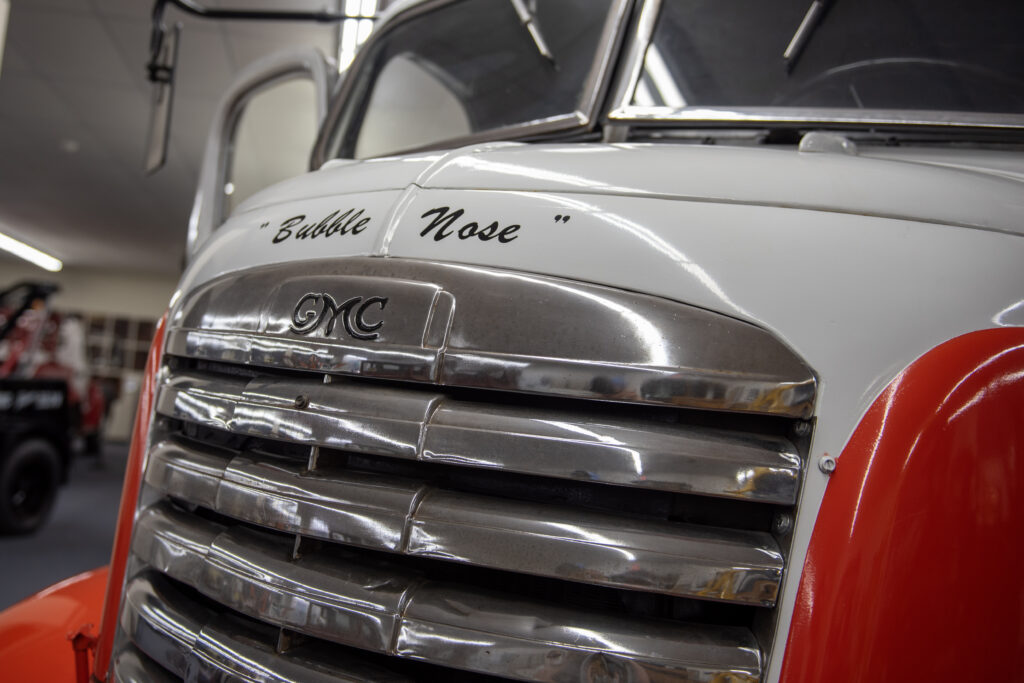
That background made it fun to see where COE designs appeared in large trucks. My favorite was the GMC Bubble Nose truck, produced in the late 1940s and early 1950s. Its rounded grille gave it the “bubble” look, and the COE layout maximized cargo space and maneuverability, especially in cities.
For me, the GMC Bubble Nose, and its Chevy counterpart, tied the history together. It was neat to connect what I’d learned about truck design in general to these specific examples, and to realize that a quirky pair of vintage GM trucks helped pave the way for something that remains standard in Europe today.
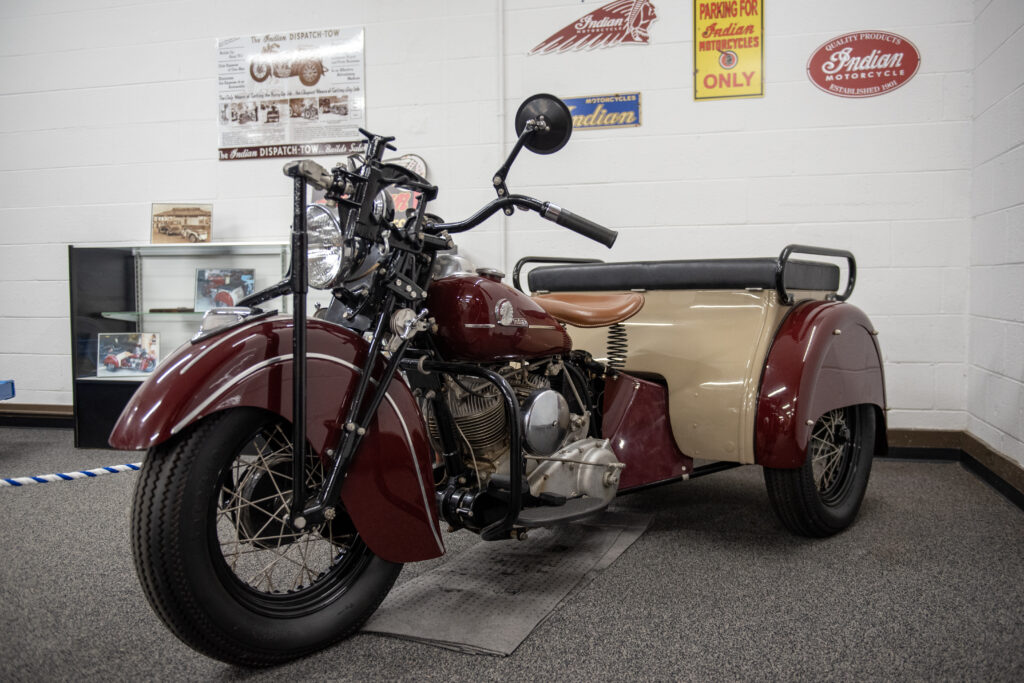
Another vehicle I liked was the Indian Dispatch-Tow motorcycle. First introduced in the 1910s, it was built to be tough and reliable, with a reinforced frame, heavy-duty suspension, and an engine strong enough to handle towing. It proved useful for both military and civilian purposes, serving in everything from logistics and law enforcement to commercial towing, and earned a reputation as a dependable workhorse. In many ways, it reminded me of the Harley-Davidson Servi-Car we saw at the Tallahassee Automobile Museum. I wouldn’t be surprised if it was a direct competitor.
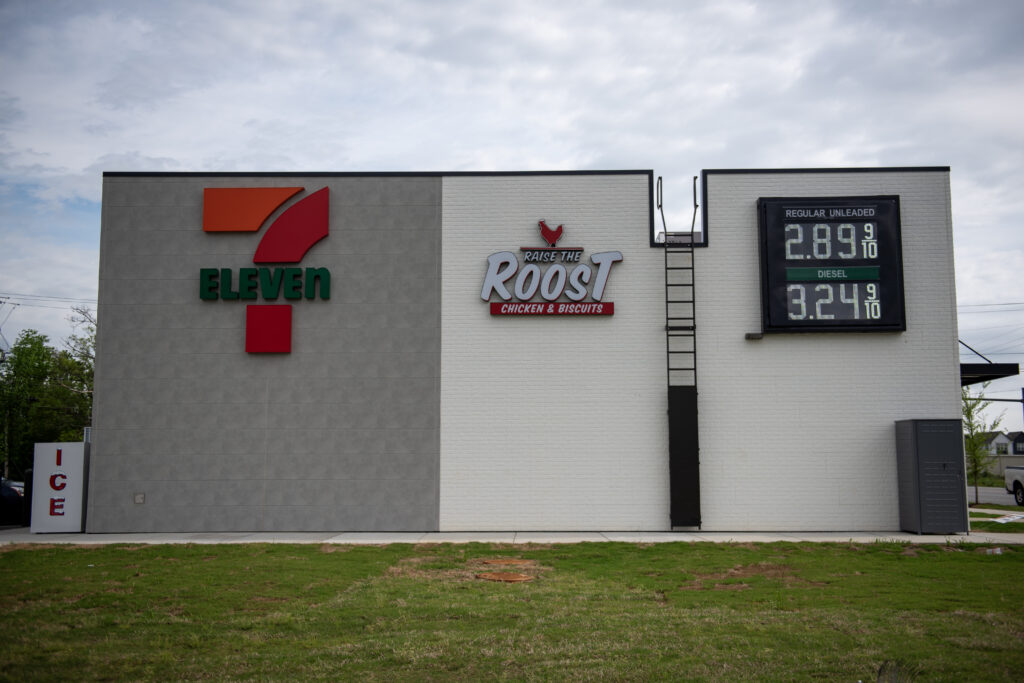
As I was leaving Chattanooga, I couldn’t help but notice the price of gas. To be fair, it was the lowest I’d seen on this trip, with most places averaging between $3.10 and $3.30. Compared to California, where prices hover closer to $5, it really makes me wonder what’s driving the difference.
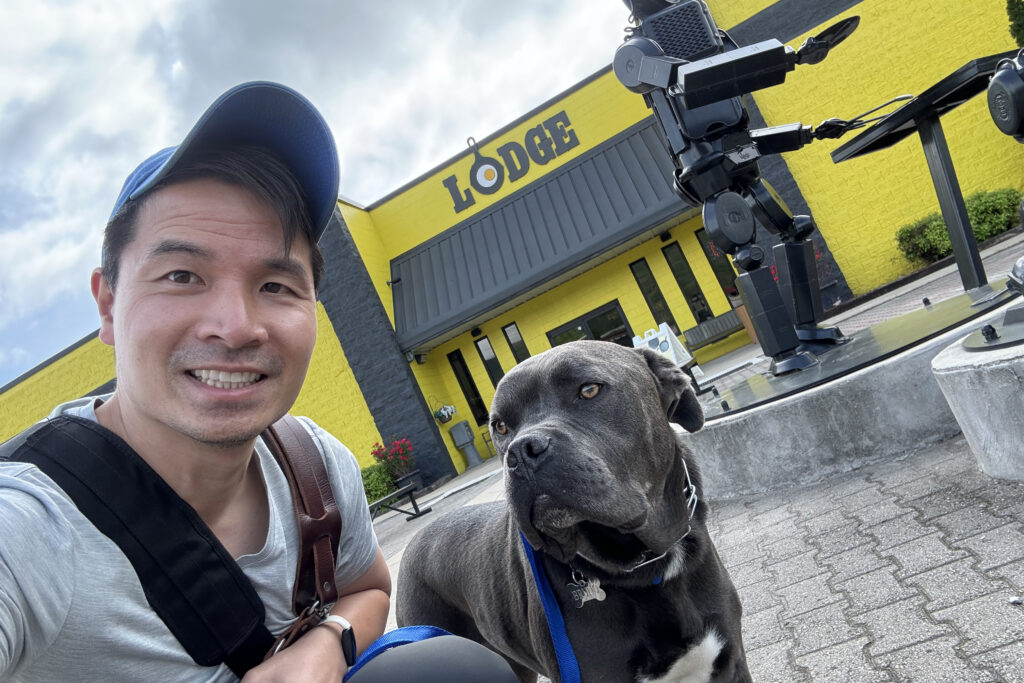
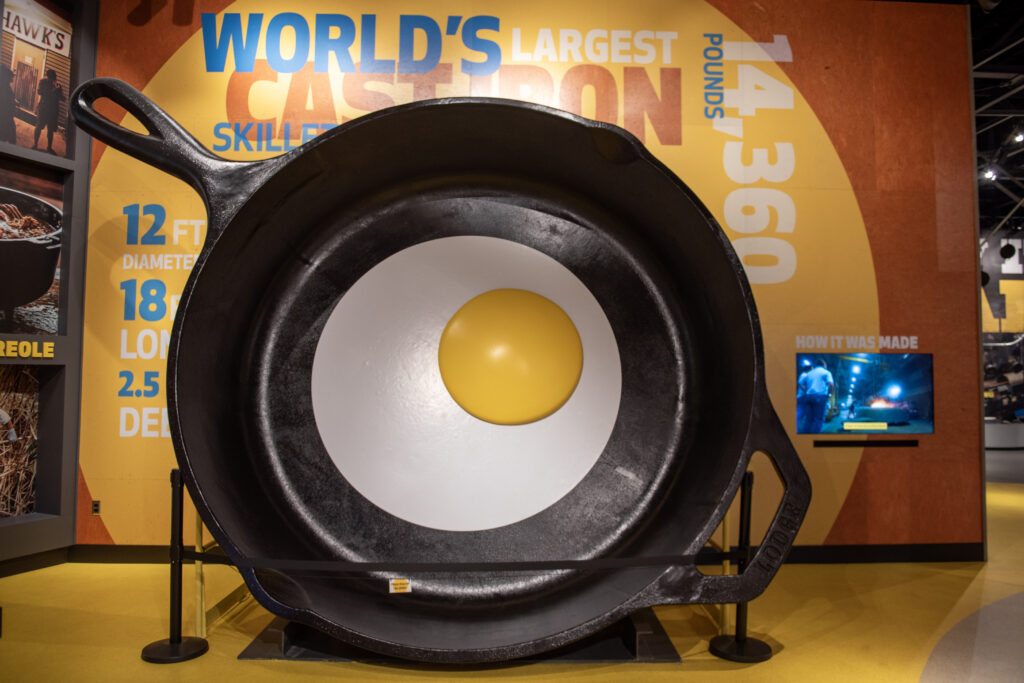
Soon after, we visited the Lodge Museum of Cast Iron in South Pittsburg, Tennessee. Lodge was founded in 1896 by Joseph Lodge as a small foundry making cast iron cookware. During World War II, the company shifted production to support the military, then expanded rapidly in the post-war years as demand for cookware grew. Today, Lodge remains family-owned and continues to produce a wide range of cast iron products, staying true to the craft that put it on the map.
The museum was well done, albeit a bit small and not really worth the $10 entrance fee. The highlight was the “world’s largest cast iron skillet,” which truly was massive. There was also a station where guests could try their hand at casting. I gave it a shot, but let’s just say I wouldn’t make much of a cast iron maker.
What stayed with me most, though, was the story of Joseph Lodge himself. Born in Pennsylvania, he lost his father at a young age. By 15 he had left for Cuba to work on railroads, later moving to Peru before eventually returning to the United States. In 1876, at age 28, he settled in Tennessee and found work in industry. The fact that he gained so much international experience at a time when few Americans traveled abroad amazed me. He clearly embraced new experiences and grand adventures, and I couldn’t help but think he must have been a fascinating person.
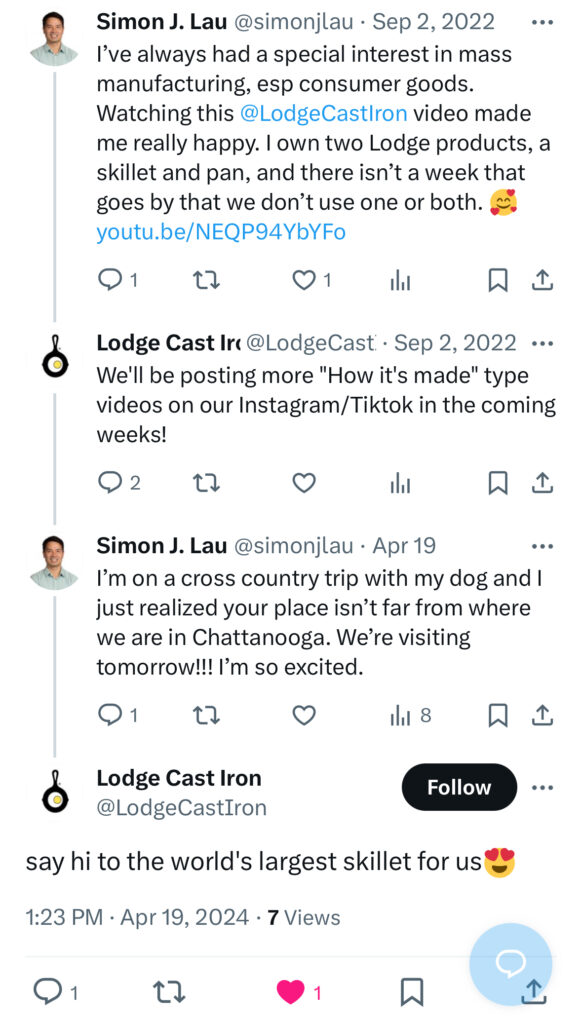
Unbeknownst to me, this visit was actually several years in the making. Back then, I stumbled across an Eater video about Lodge and their manufacturing process. I liked it so much that I posted about it on Twitter (as a former Tweep, it’ll always be Twitter to me), and someone from Lodge even responded. Yesterday, I replied to that old thread to let them know we were visiting, and they wrote back again.
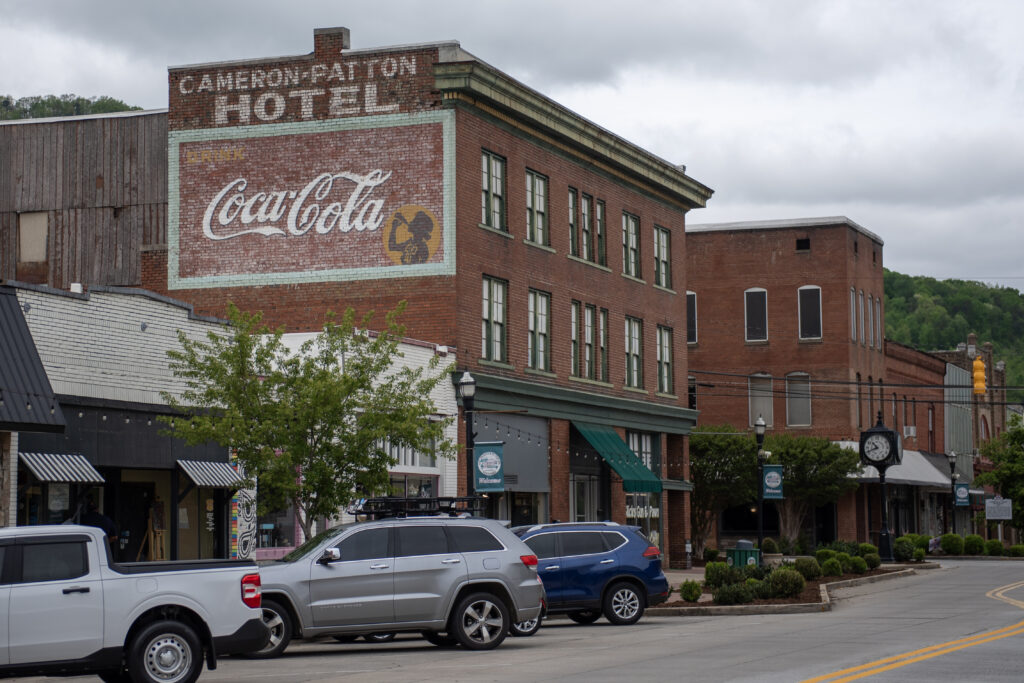
Since we were already in the neighborhood, we took a stroll through South Pittsburg’s Historic Downtown. The area was originally inhabited by Native American tribes before European settlement in the early 1800s. By the mid-19th century, the town grew quickly with the rise of iron foundries and furnaces that tapped into the region’s natural resources. South Pittsburg later played a role in supplying iron and steel during World War II.
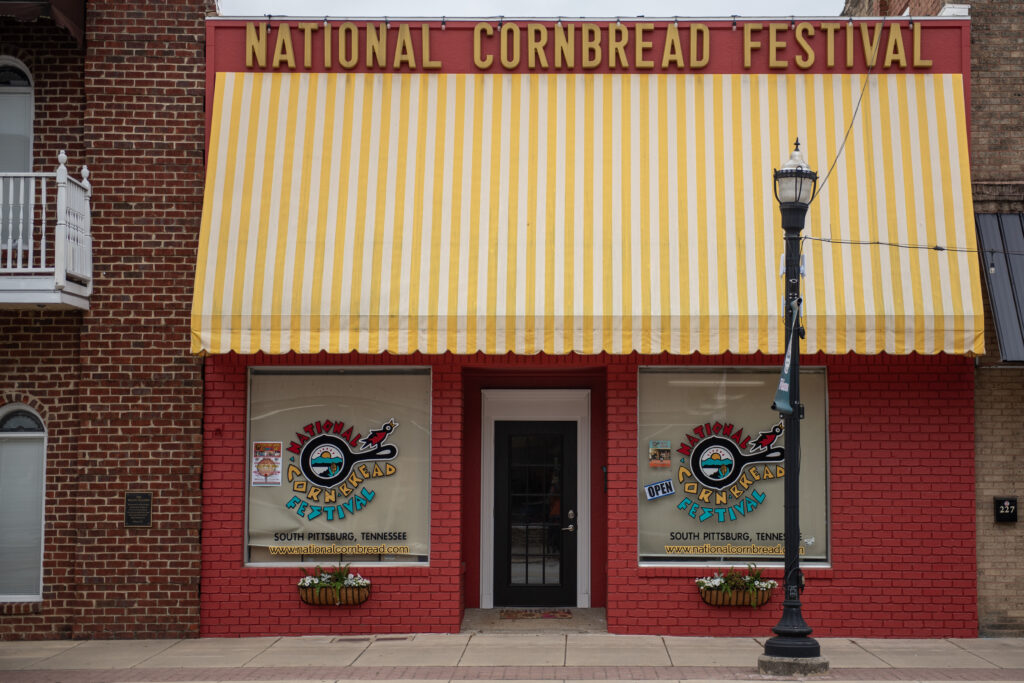
Although it’s a shell of its former self, the town still takes pride in being home to the National Cornbread Festival. Every spring, thousands of people descend on South Pittsburg for a weekend of cooking competitions, live music, and street vendors serving up every version of cornbread you can imagine. Between that and Lodge, it has more to boast about than most towns its size.
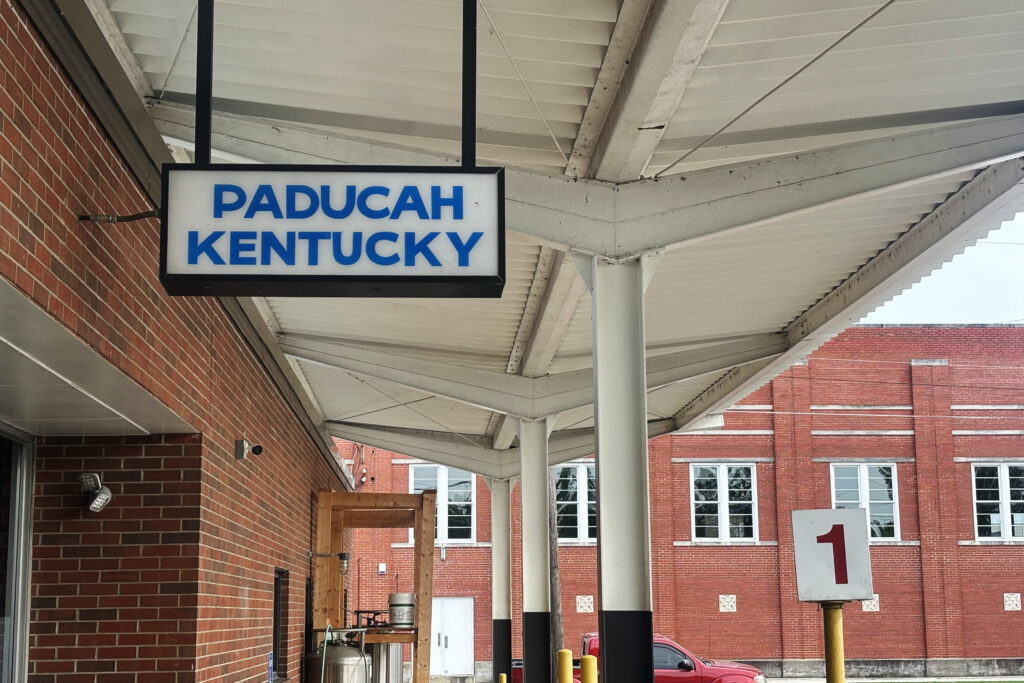
We later arrived in Paducah and had dinner at Paducah Beer Werks. This microbrewery is housed in a former Greyhound bus station, and I could clearly see how it had been one at some point. The owners kept many of the original features such as bus bays, lockers, and old information signage, which give the place a nostalgic feel.
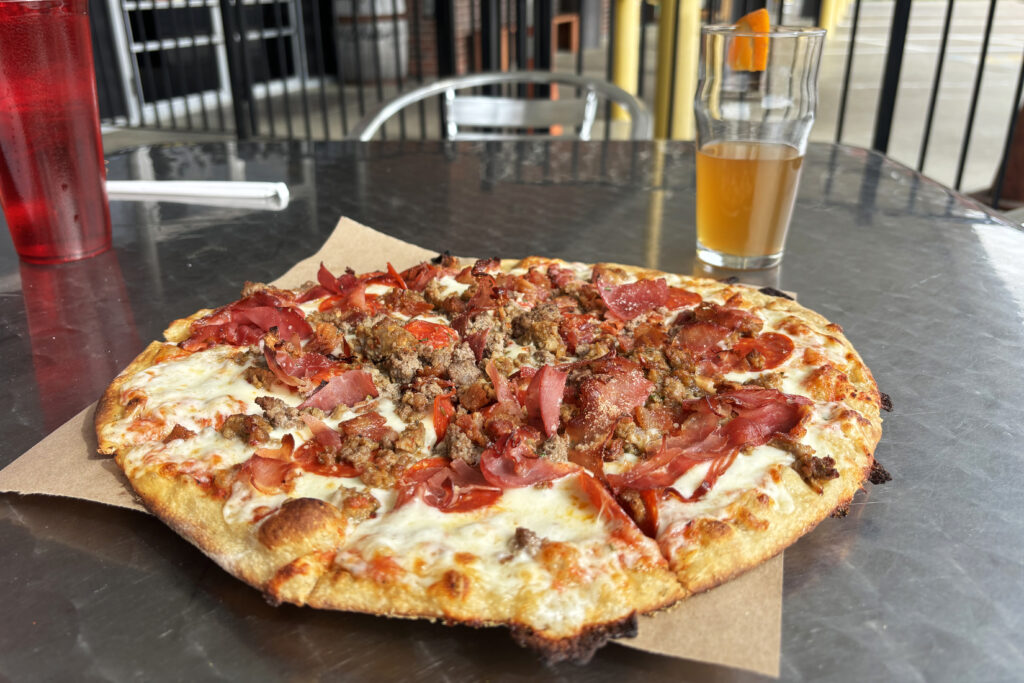
I ordered a pizza. It was delicious, but way too much for one sitting, so I ended up packing half of it to take home. I made the mistake of asking for too small of a box and did a terrible job squeezing it in. Bruno, of course, was right there watching, as if to say he could help me “fix” the problem by taking a slice off my plate. 😈
Finally, our route from Chattanooga and South Pittsburg to Paducah (272 miles or 438 km).



Comments are closed.