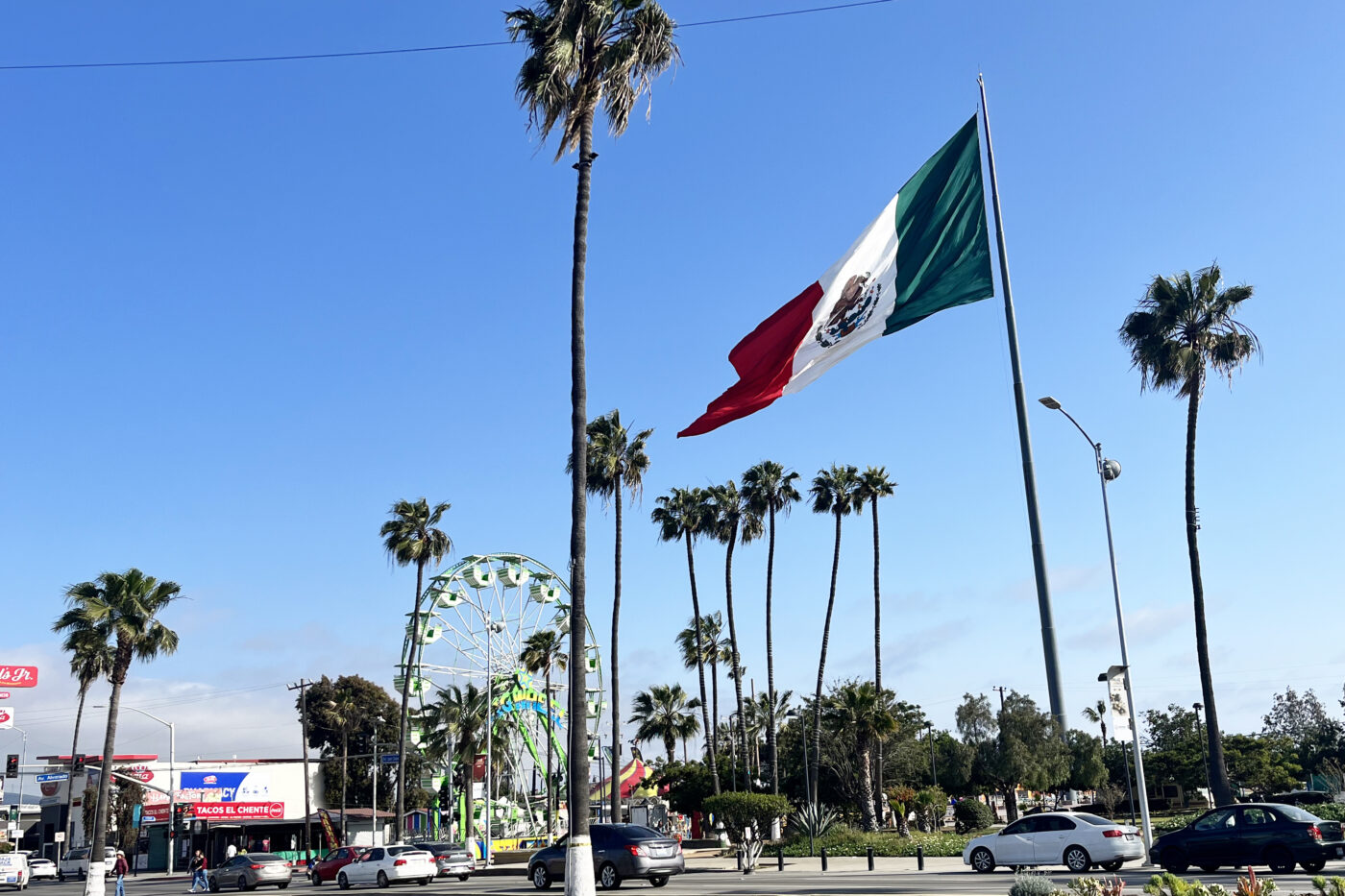
Today, I left Ensenada and made my way to Tecate. The ride in was marked by a surprising amount of moisture in the air. Not quite rain, but the heaviest mist I’ve experienced so far in Baja. The road glistened in patches, a reminder to stay cautious, especially after my spill at the water crossing back in Loreto. I kept my pace steady, not in a hurry to repeat that mistake.
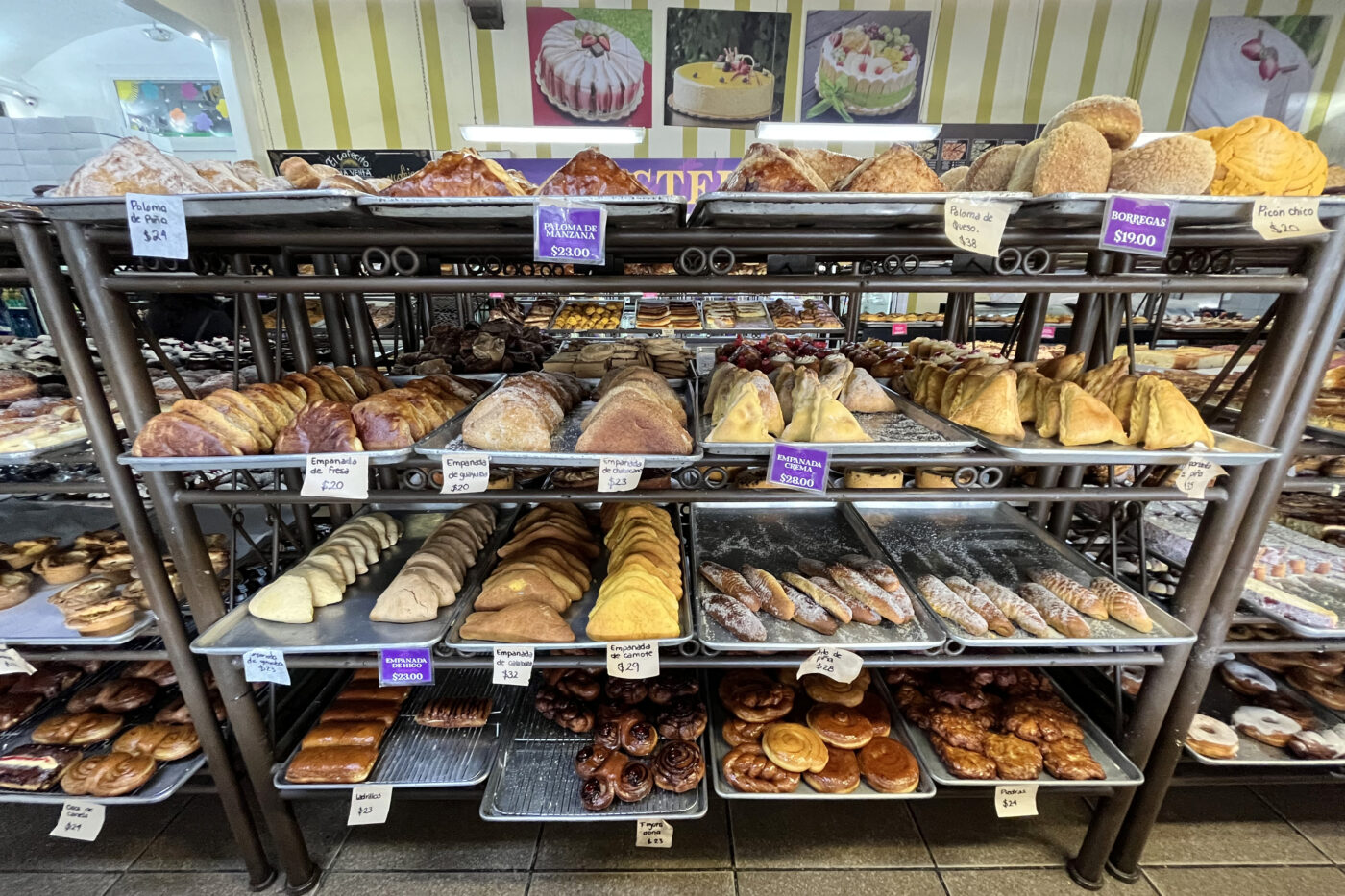
Today I took it slow, starting with coffee and churros for breakfast. I ordered one and was surprised when four arrived. It felt like both a small victory and a mild defeat. A win in value, a loss in dieting. Later, I finally got my laundry done before heading home. I can’t stand doing laundry, but at least I got that out of the way.

I was a bit anxious about traffic since I’m still a relatively new motorcyclist, especially heading into Ensenada where there’s much more traffic than in the quieter, more desolate parts of Baja I’ve been riding through. So I hit the road just after sunrise at 6 a.m. The ride in turned out to be surprisingly easy and beautiful, with rolling hills and patches of light fog creating a dramatic backdrop the whole way.
Today, I departed from Cataviña, and this ride turned out to be one of my favorites in a while. The desert here is unlike anywhere else in Baja, towering cacti, massive boulders scattered across the hillsides, and stretches of road so empty they feel endless. Unlike earlier parts of my trip, there was almost no wind today. Without battling the gusts, I could ride at a slower pace, take in the silence of the desert, and fully appreciate the changing light on the rocks and sand.
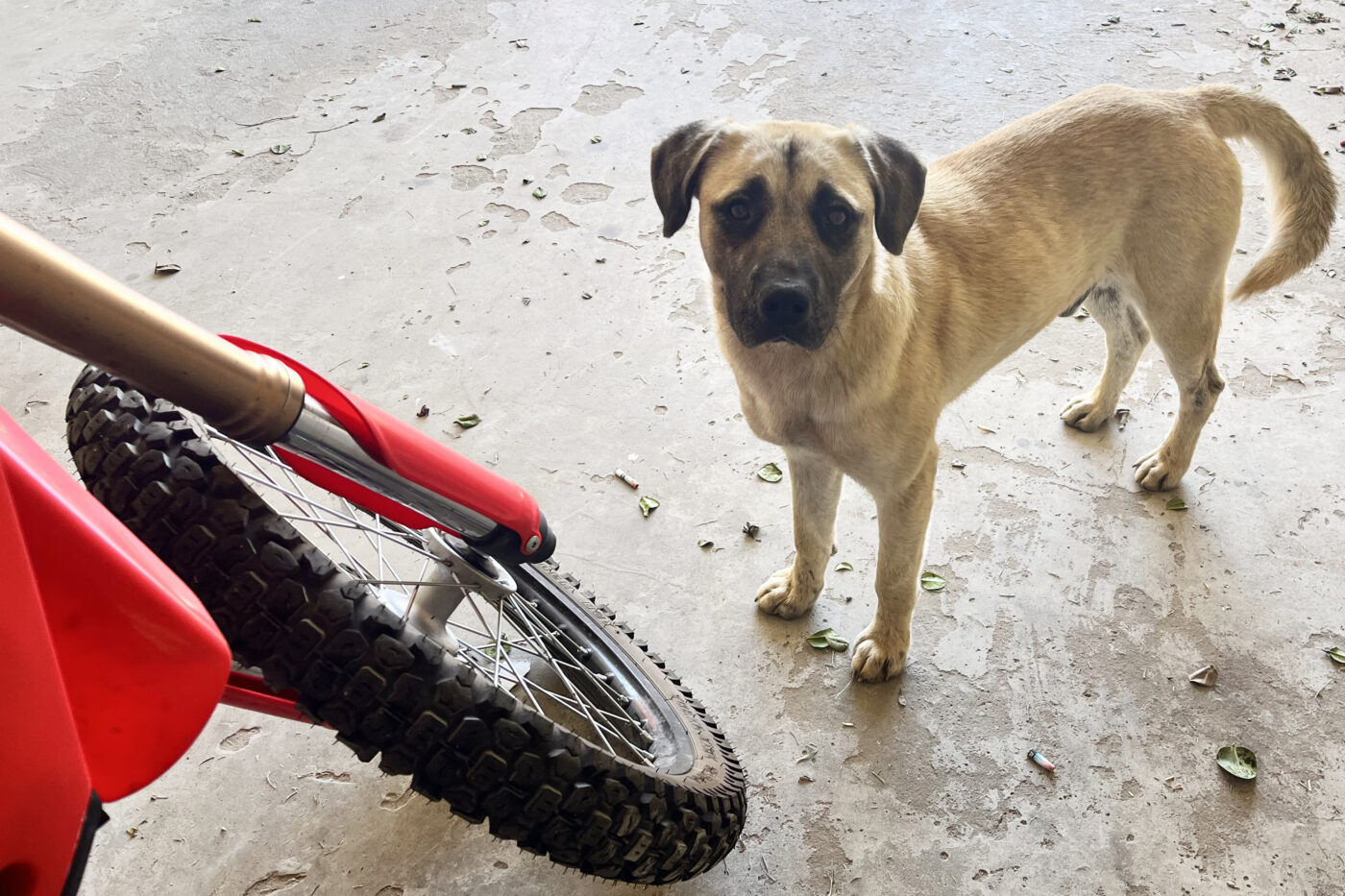
Today, I left Guerrero Negro for Cataviña and had to say goodbye to Renegade, who, as it turns out, already had the name Burrito. I asked the front desk if anyone owned Burrito, and when it was clear no one did, I offered to pay one of the workers regularly to feed and water him.
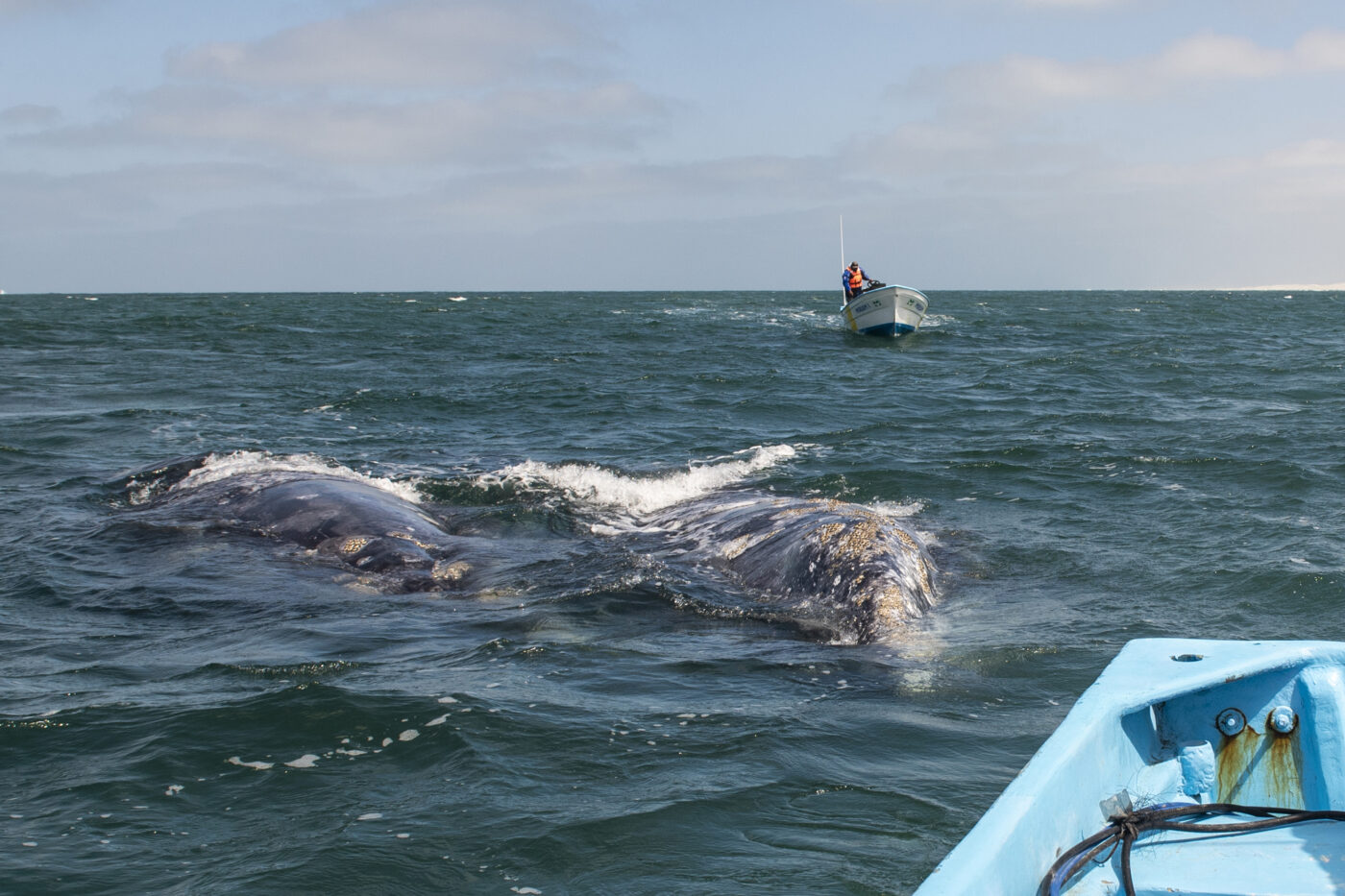
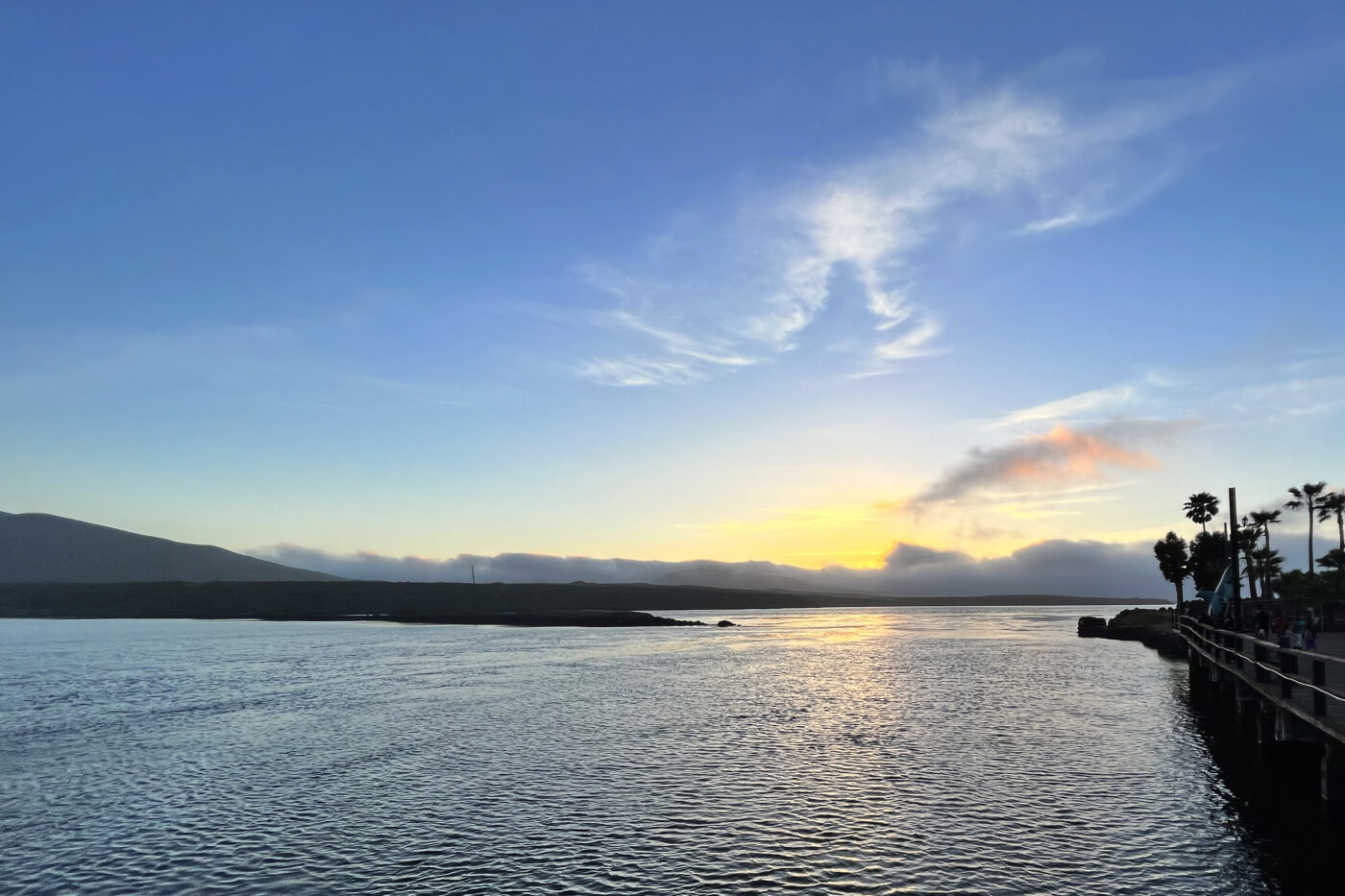
Today, I saw gray whales at Laguna Ojo de Liebre near Guerrero Negro. Every year, these whales make one of the longest migrations of any mammal, traveling more than 10,000 miles round trip. They spend their summers feeding in the cold, nutrient-rich waters of Alaska before heading south in the fall, hugging the coastline all the way to Baja California.
This morning, I said goodbye to Rancho Espinoza. William, my host and the owner, shared not only his home with me, but also personal stories that made it feel like more than just a stop along the way. With its warm hospitality and the surrounding hills and palms, this old hacienda will be hard to forget or leave behind.
This morning I toured Estero el Coyote. It’s a coastal estuary just outside Punta Abreojos, known for its winding tidal channels, abundant birdlife, and a small oyster farm scattered along its edge. When the tide comes in, the water spills over the mangroves and mudflats, turning the area into a sanctuary for herons, egrets, and countless fish and other marine life.
Today, I conquered Cuesta del Infierno, better known as Baja’s “Highway to Hell.” I was up before sunrise and hit the road early, knowing the climb would be tough but hoping to beat the RVs and big rigs that usually crawl their way up the mountain. The plan worked, and there wasn’t another vehicle in sight as I wound my way up the steep, twisting grade just as the sky behind me began to lighten.
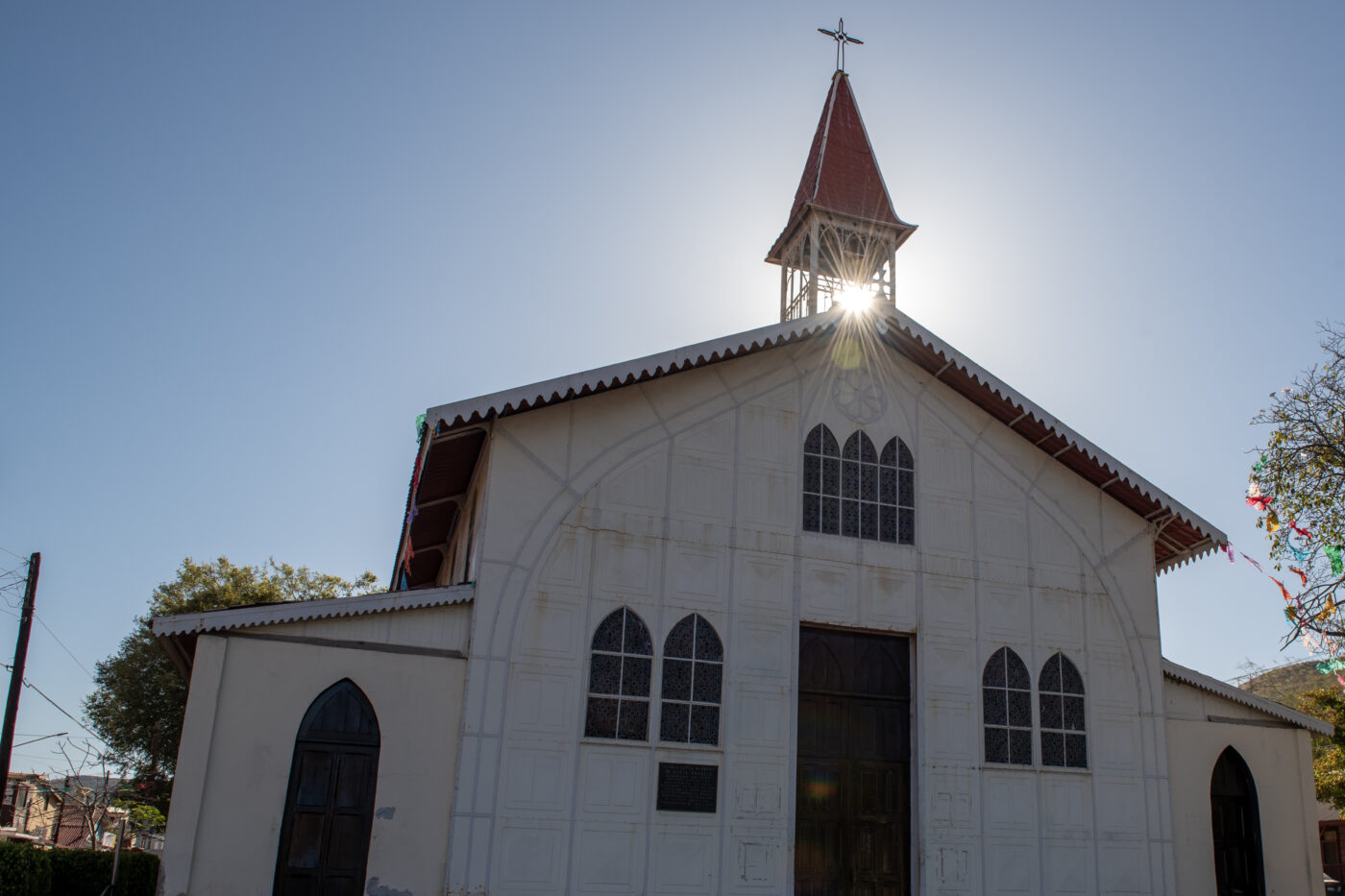
Today, I visited Mulegé on my way to Santa Rosalía. Mulegé is a lush oasis town located at the northern tip of Bahía Concepción. Jesuits founded a mission here that overlooks the river. It’s the best view in the area!
Error: No feed found.
Please go to the Instagram Feed settings page to create a feed.