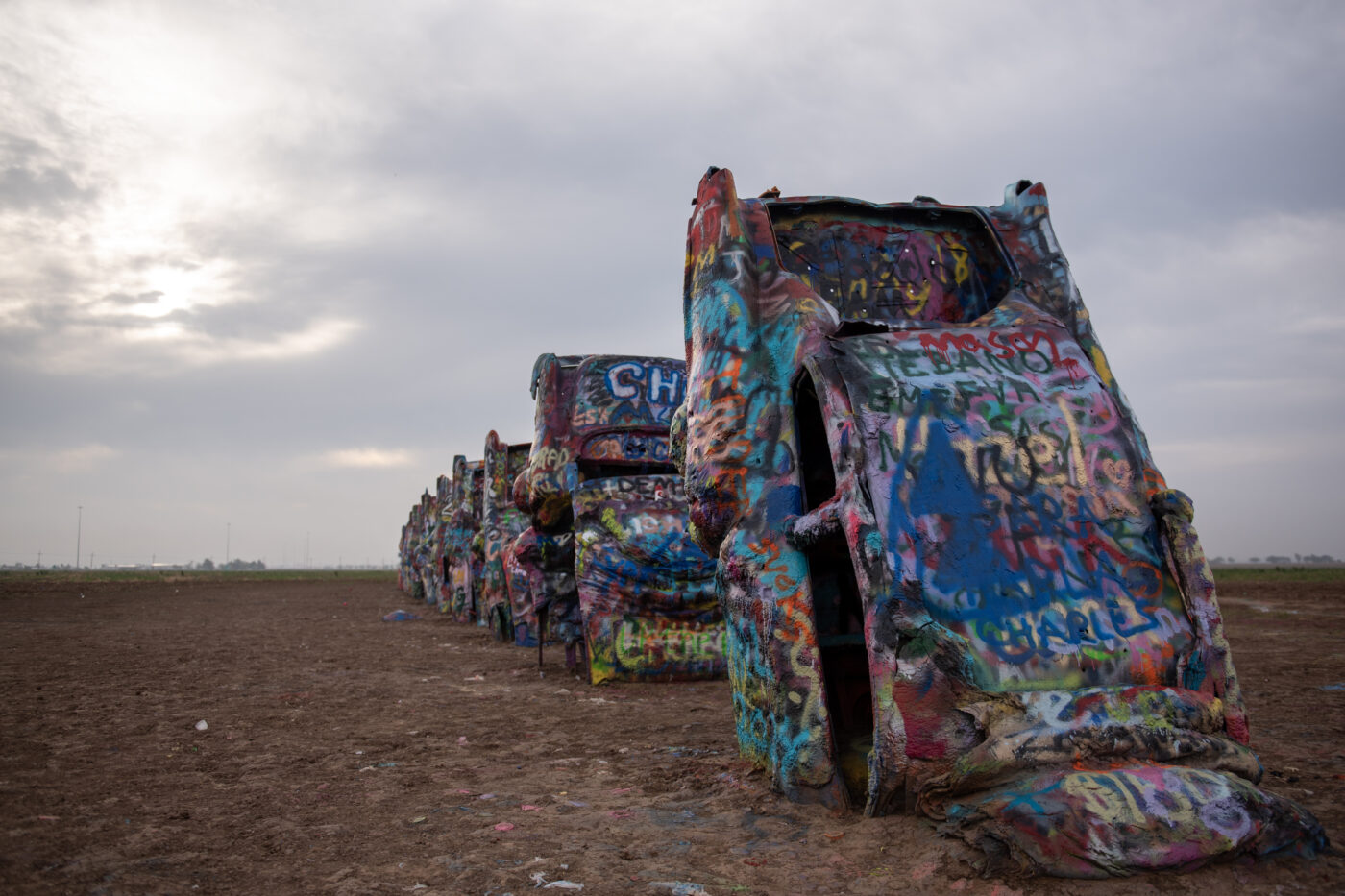
Amarillo has long served as a key hub in the American West. The area was originally home to Native American tribes and later saw European exploration in the 16th century, but the city itself did not flourish until the late 19th century with the arrival of the railroad. Its location along major cattle trails quickly made it a center of the cattle industry, and the discovery of oil and natural gas in the early 20th century transformed Amarillo into a significant energy hub.
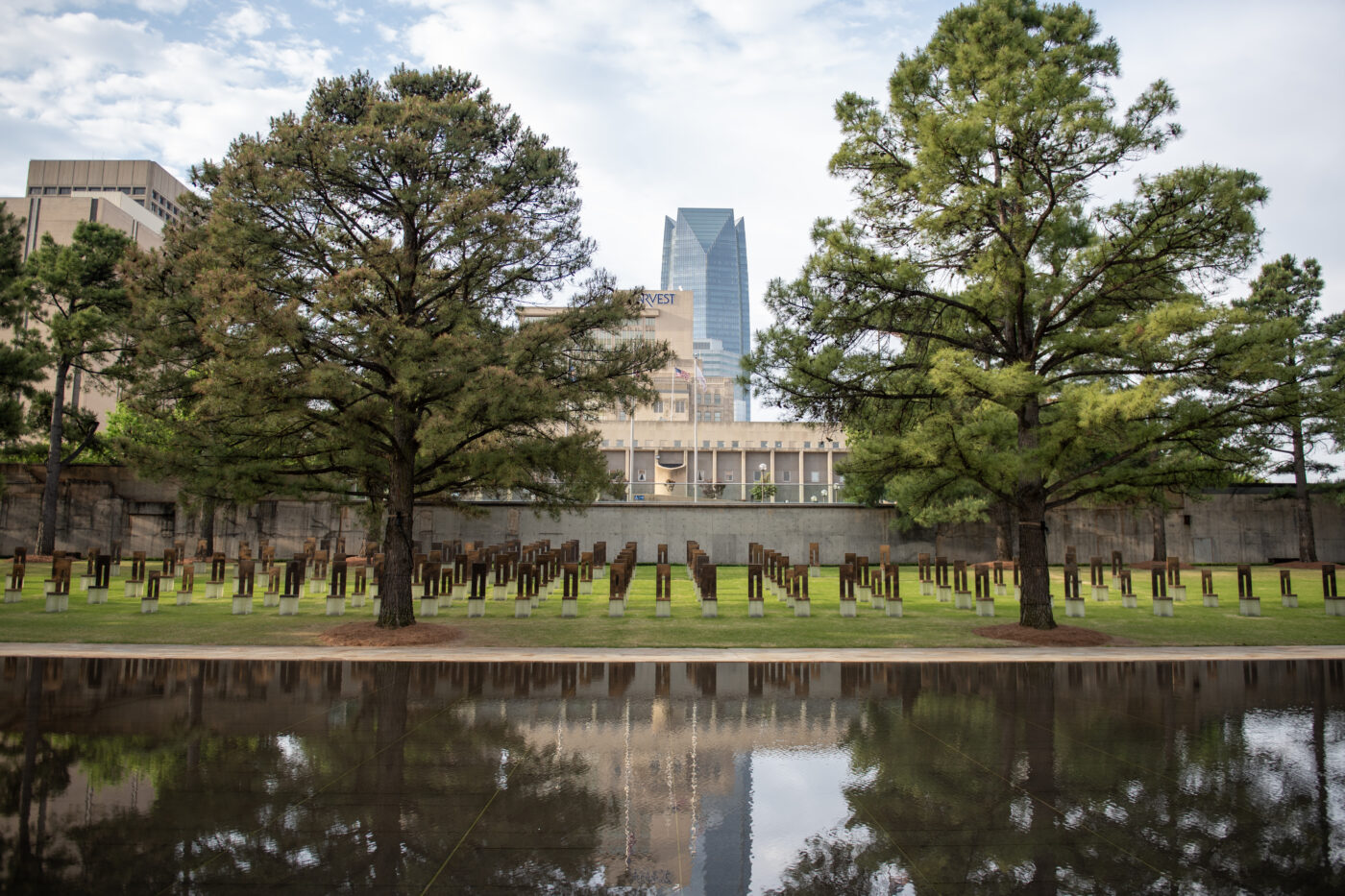
This morning, we visited the Oklahoma City National Memorial & Museum, which honors the victims, survivors, and rescuers of the bombing. On April 19, 1995, a truck packed with explosives was detonated outside the Alfred P. Murrah Federal Building. The blast killed 168 people, including 19 children, and injured more than 600 others, making it one of the deadliest acts of domestic terrorism in U.S. history.
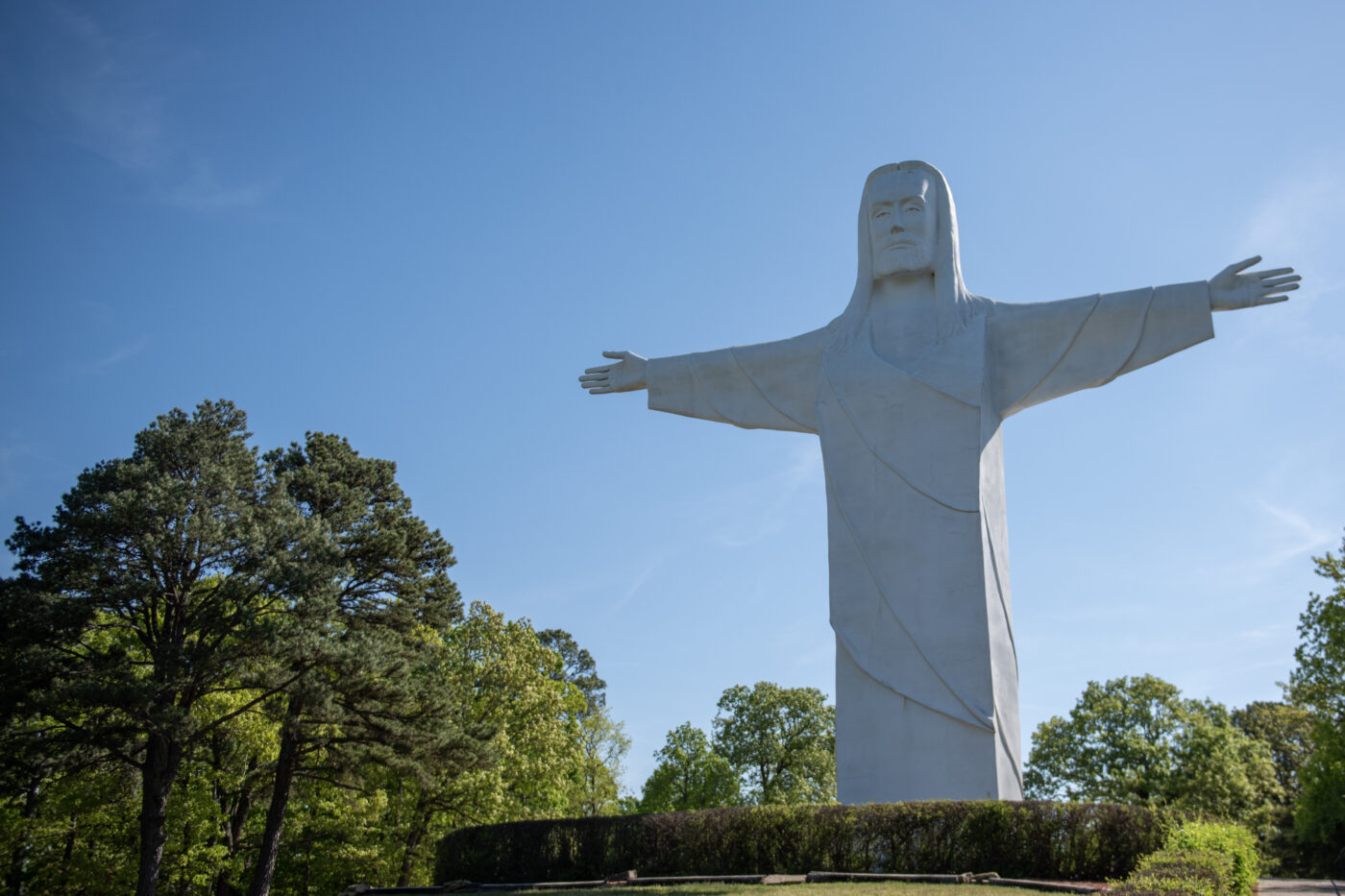
This morning, we visited Christ of the Ozarks, a monumental statue just outside the center of Eureka Springs. Towering 67 feet tall, the sculpture depicts Jesus Christ with outstretched arms, gazing out over the Ozark Mountains. Built in 1966, it has become one of the region’s most recognizable landmarks and draws thousands of visitors each year.
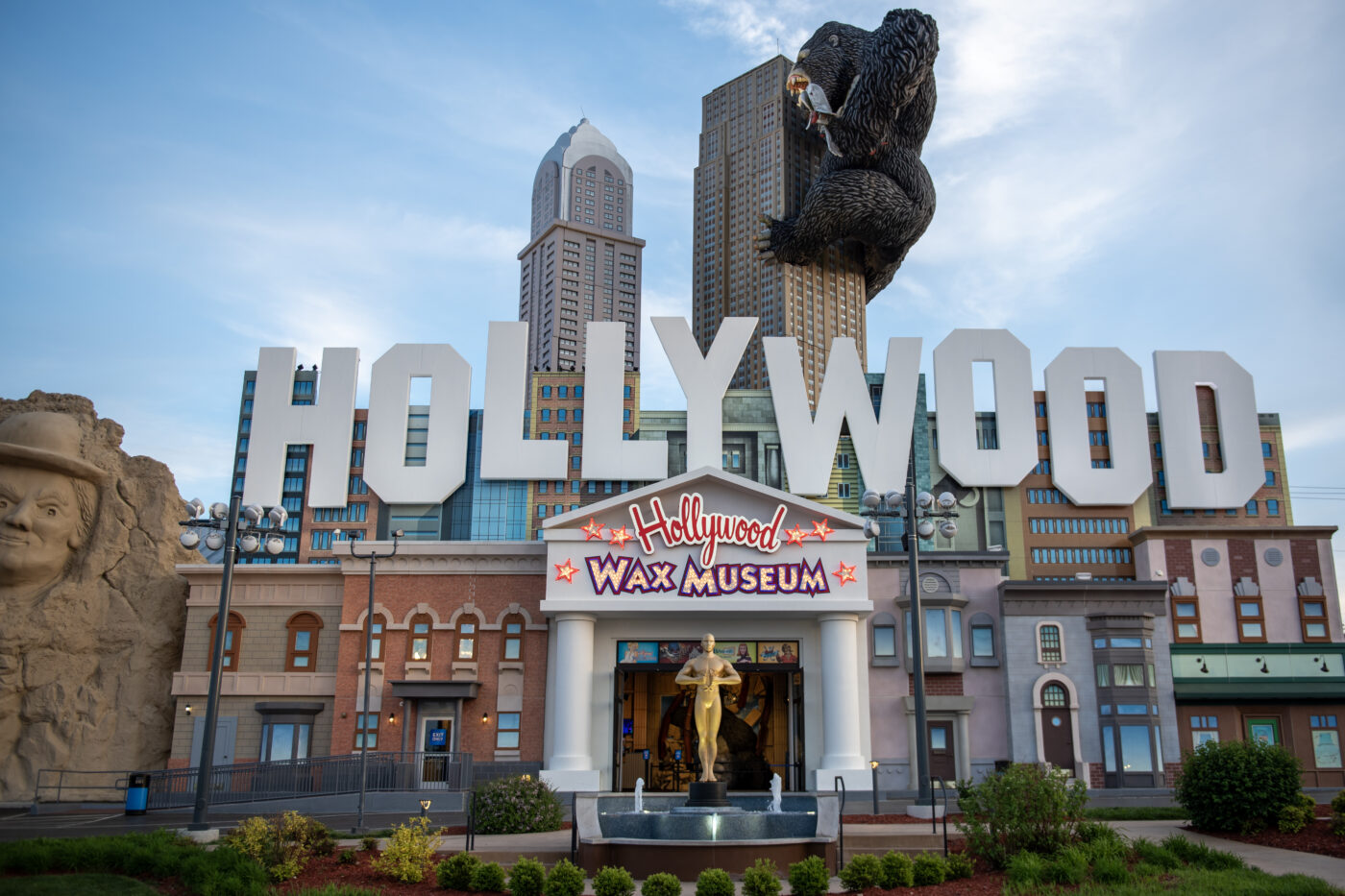
We’re currently in Branson, nestled deep within the Ozarks. Spanning across Arkansas, Missouri, Oklahoma, and Kansas, the Ozarks are renowned for their dense forests, rolling hills, and pristine streams. From what I’ve seen so far, the forests are indeed very dense. Additionally, judging by the abundance of roadkill I’ve encountered driving across Missouri, I suspect there are plenty of critters here, especially armadillos.
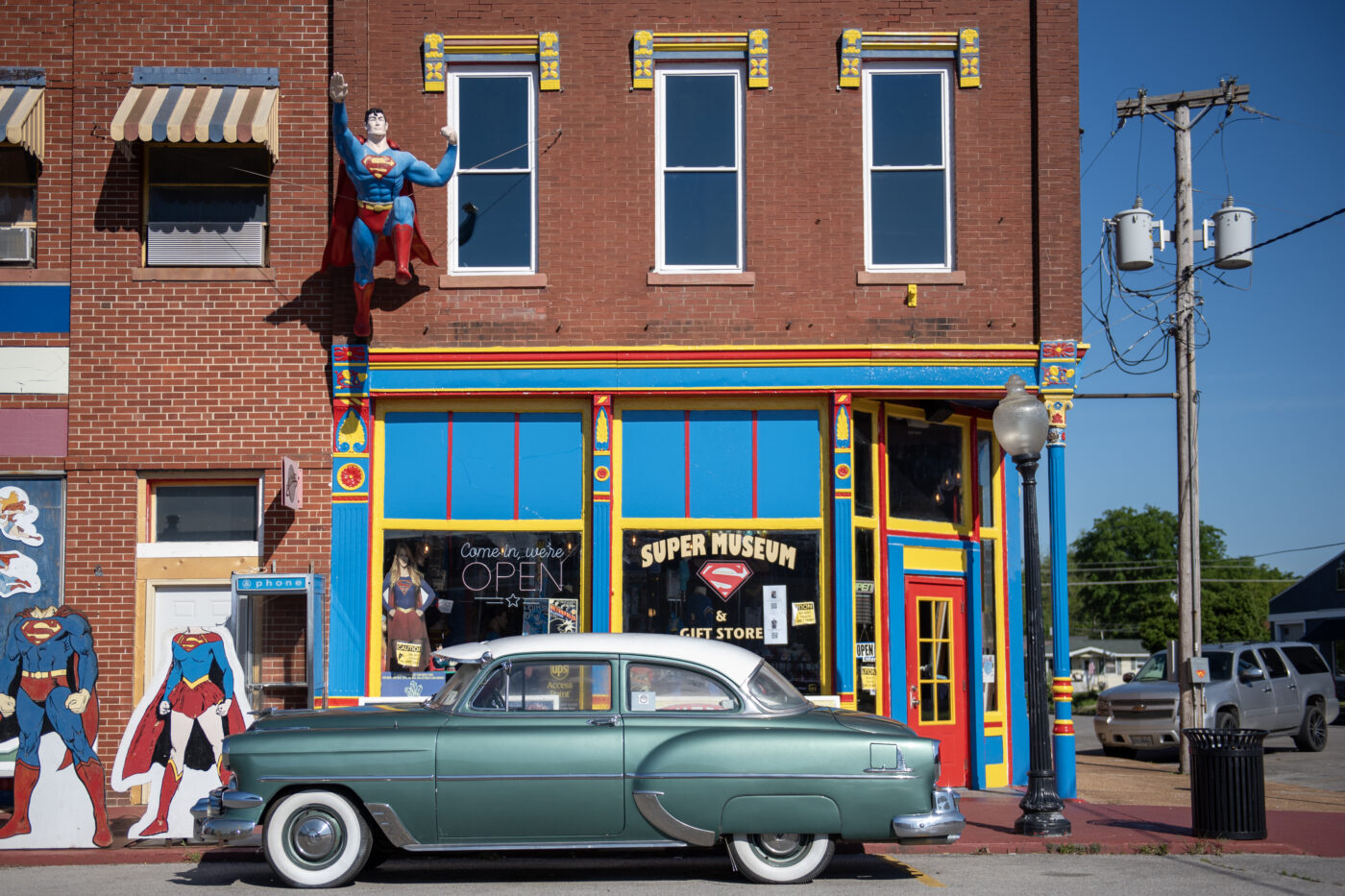
Last night, we stayed in Paducah. Founded in 1827, the city began as a key trading post along the Ohio and Tennessee Rivers. During the Civil War, it became a strategic hub thanks to its location near the Mississippi River and its rail connections. After the war, Paducah industrialized quickly, with railroads, tobacco, and textiles driving much of its growth.
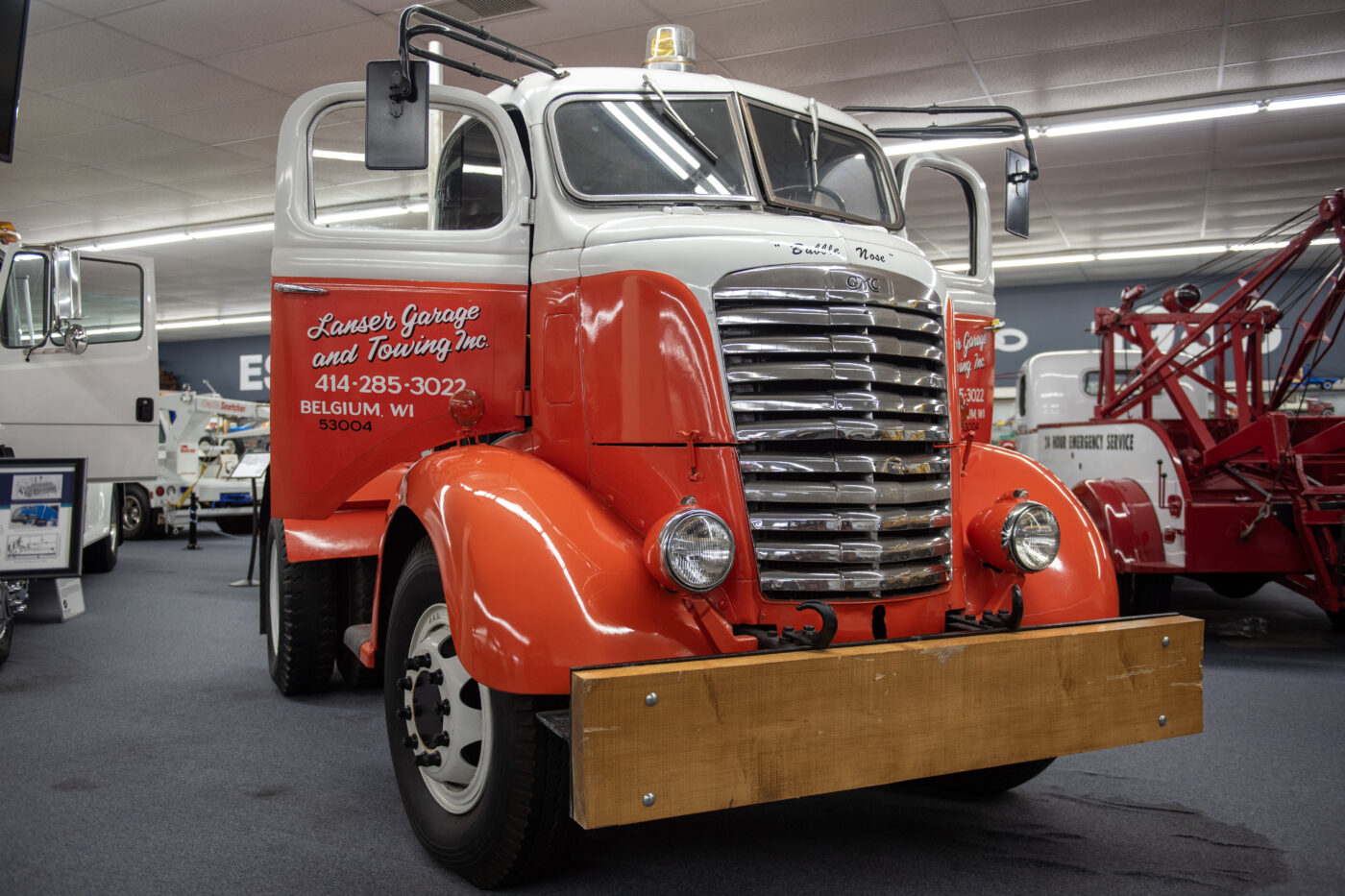
We visited the International Towing & Recovery Museum in Chattanooga. It’s dedicated to preserving the history of the towing industry, with a collection of vintage trucks, equipment, and memorabilia that trace the evolution of towing technology. Fittingly, the museum is located here because Chattanooga is credited as the birthplace of the tow truck.
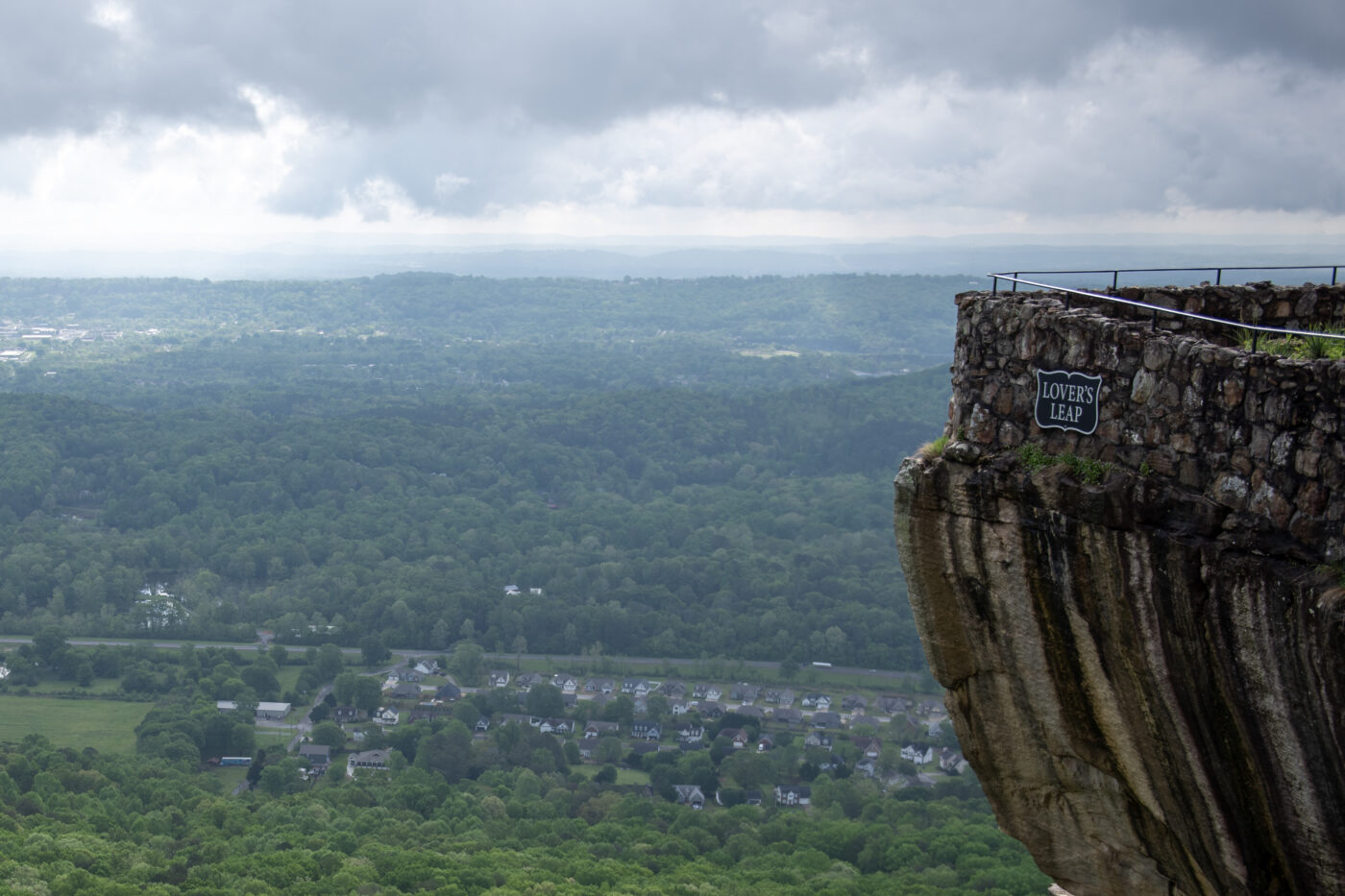
We visited Rock City Garden this morning, perched high on Lookout Mountain in Georgia. The big draw here is the view. On clear days, like today, you can see as many as seven states: Tennessee, Kentucky, Virginia, North Carolina, South Carolina, Georgia, and Alabama. There’s something pretty special about looking out across that much of the South from a single spot.
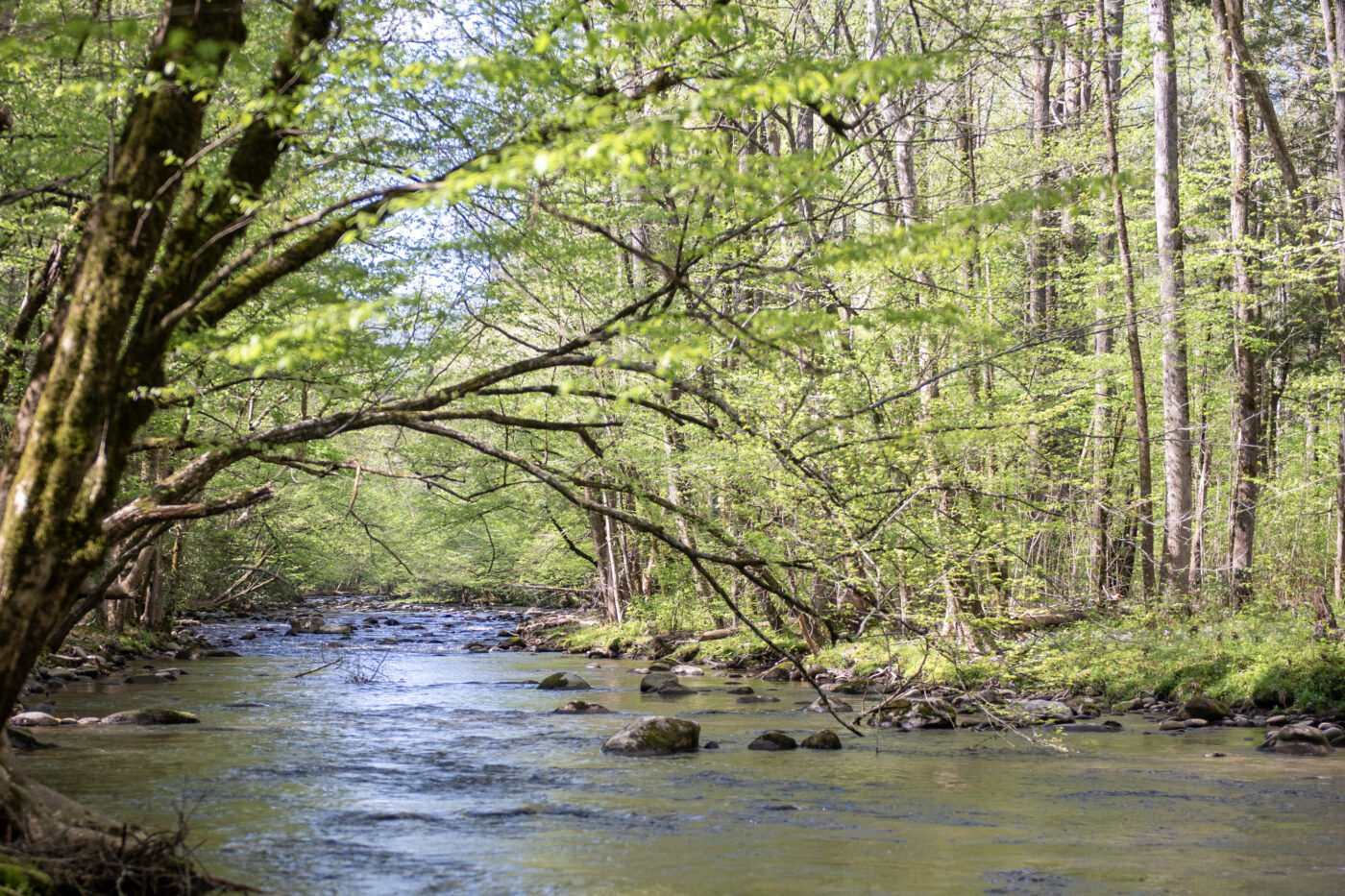
This morning, we visited the Great Smoky Mountains National Park. Located on the border of North Carolina and Tennessee, it spans over 500,000 acres and is one of the largest protected areas in the eastern United States. The park is named for the “smoky” mist that often hangs over the mountains, created by the dense vegetation and high humidity.
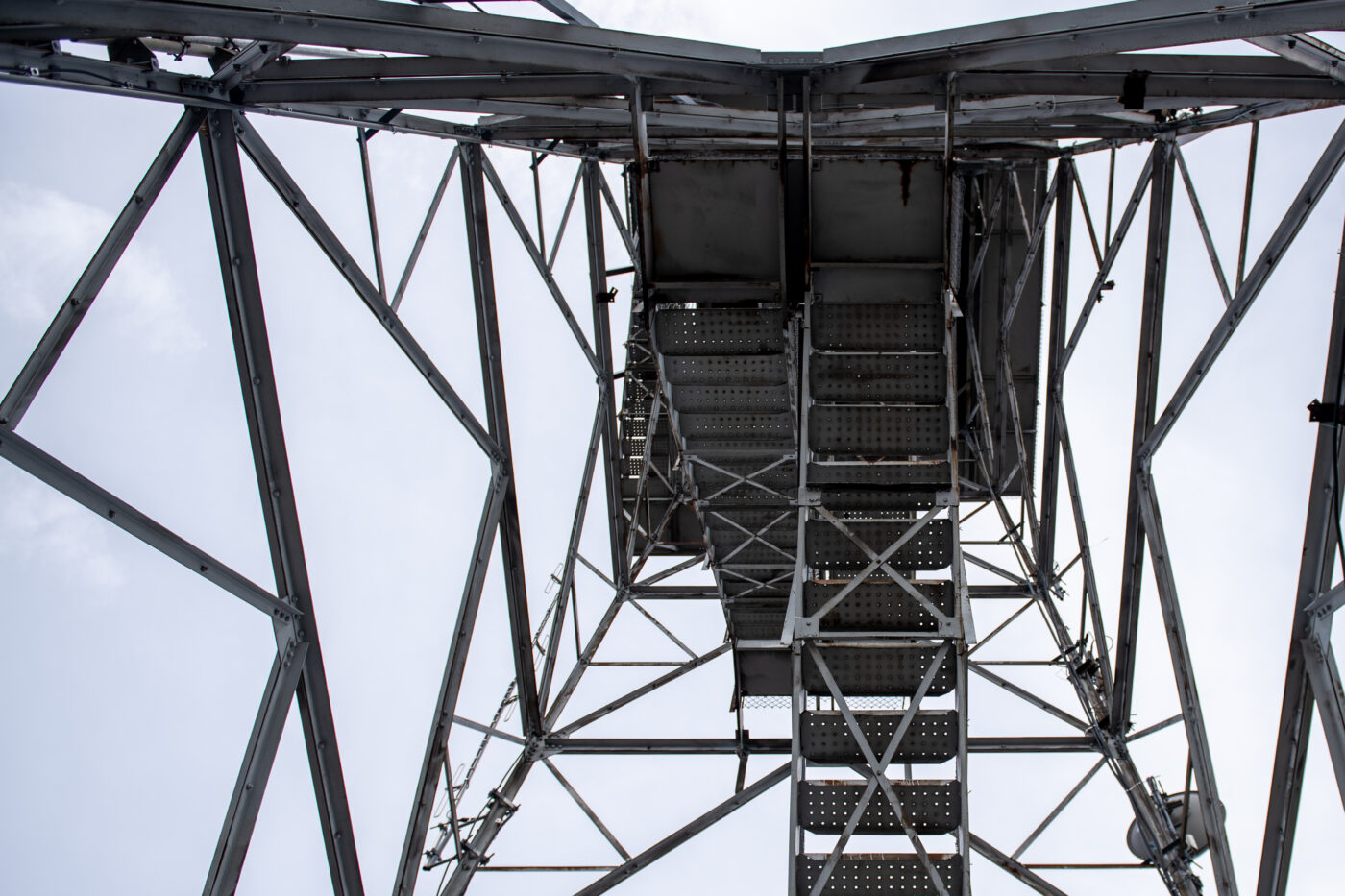
We’re in Asheville, tucked into the Blue Ridge Mountains of North Carolina. The town is known for its artsy vibe and easy access to the outdoors. It has a reputation as a haven for artists, musicians, and free spirits thanks to its progressive atmosphere. What surprised me, though, was seeing so much open drug use. This is the first time I’ve noticed it outside California. It was a reminder that these problems aren’t unique to home.
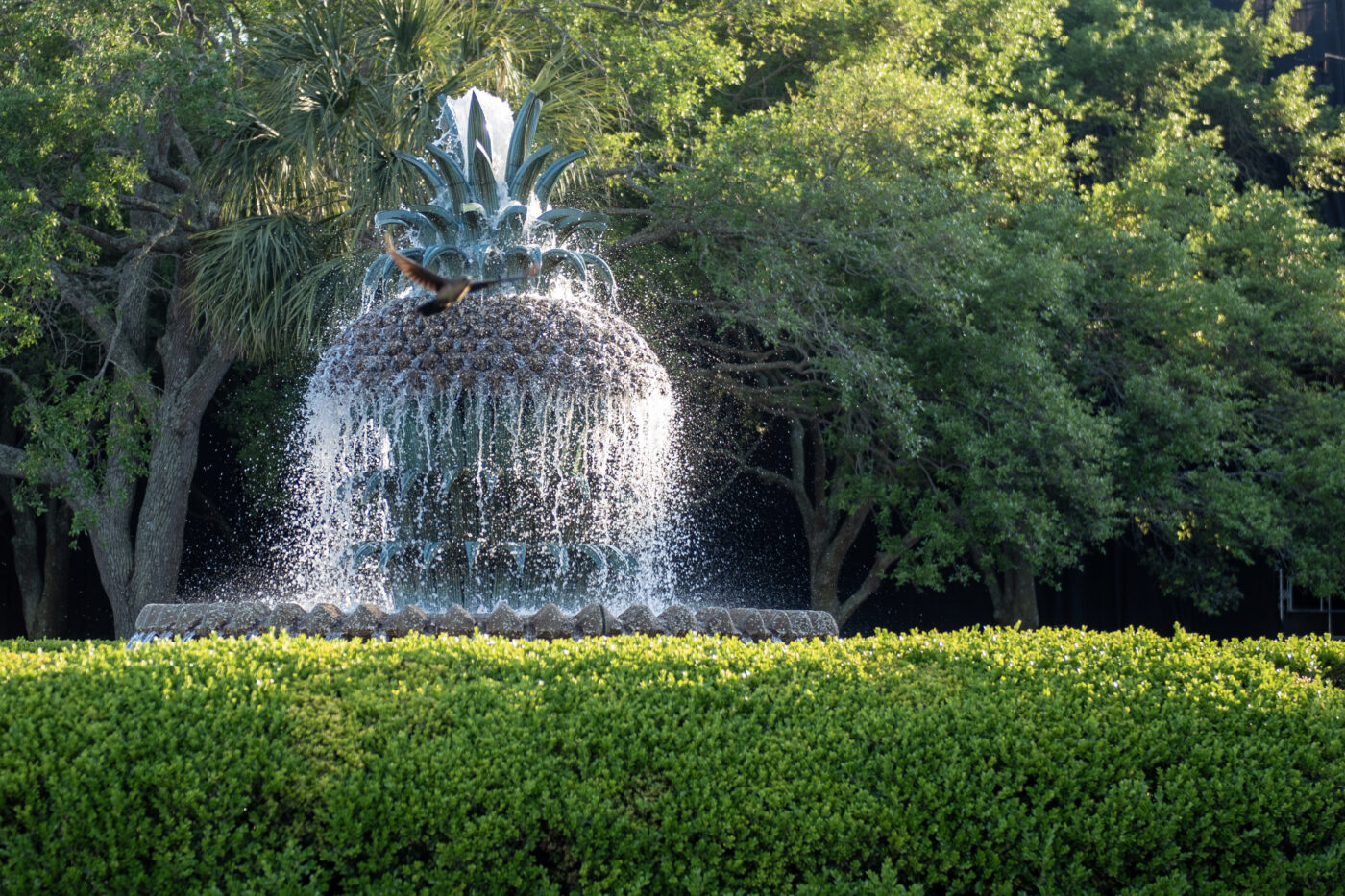
This morning, we explored Charleston, a city that ranks among the oldest in the United States. Once a major colonial port and economic hub, it played a central role in the transatlantic slave trade, receiving thousands of Africans who were forced into labor on plantations across the South. Charleston also holds a pivotal place in American history as the site where the first shots of the Civil War were fired.
Error: No feed found.
Please go to the Instagram Feed settings page to create a feed.