
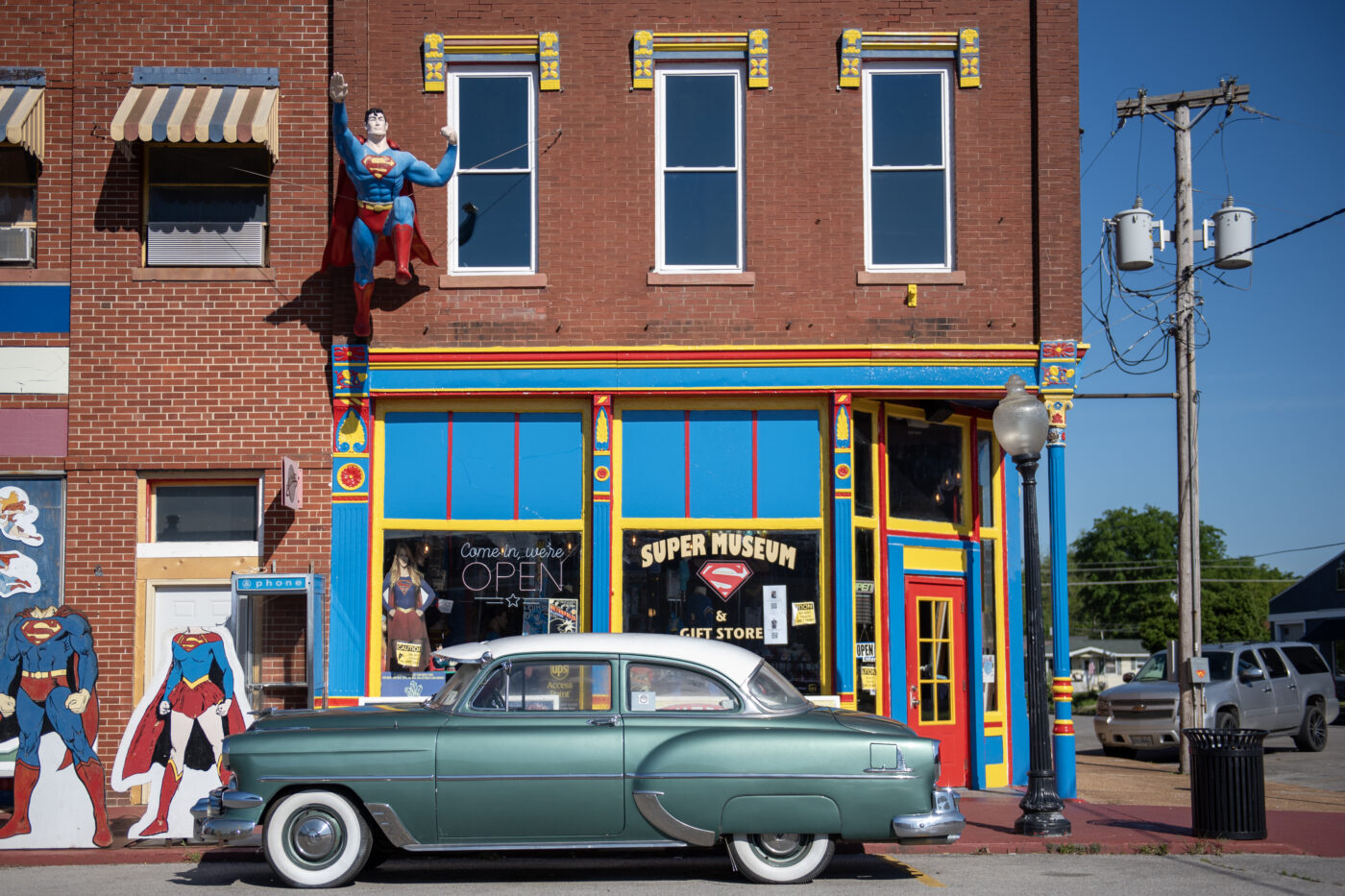
Last night, we stayed in Paducah. Founded in 1827, the city began as a key trading post along the Ohio and Tennessee Rivers. During the Civil War, it became a strategic hub thanks to its location near the Mississippi River and its rail connections. After the war, Paducah industrialized quickly, with railroads, tobacco, and textiles driving much of its growth.
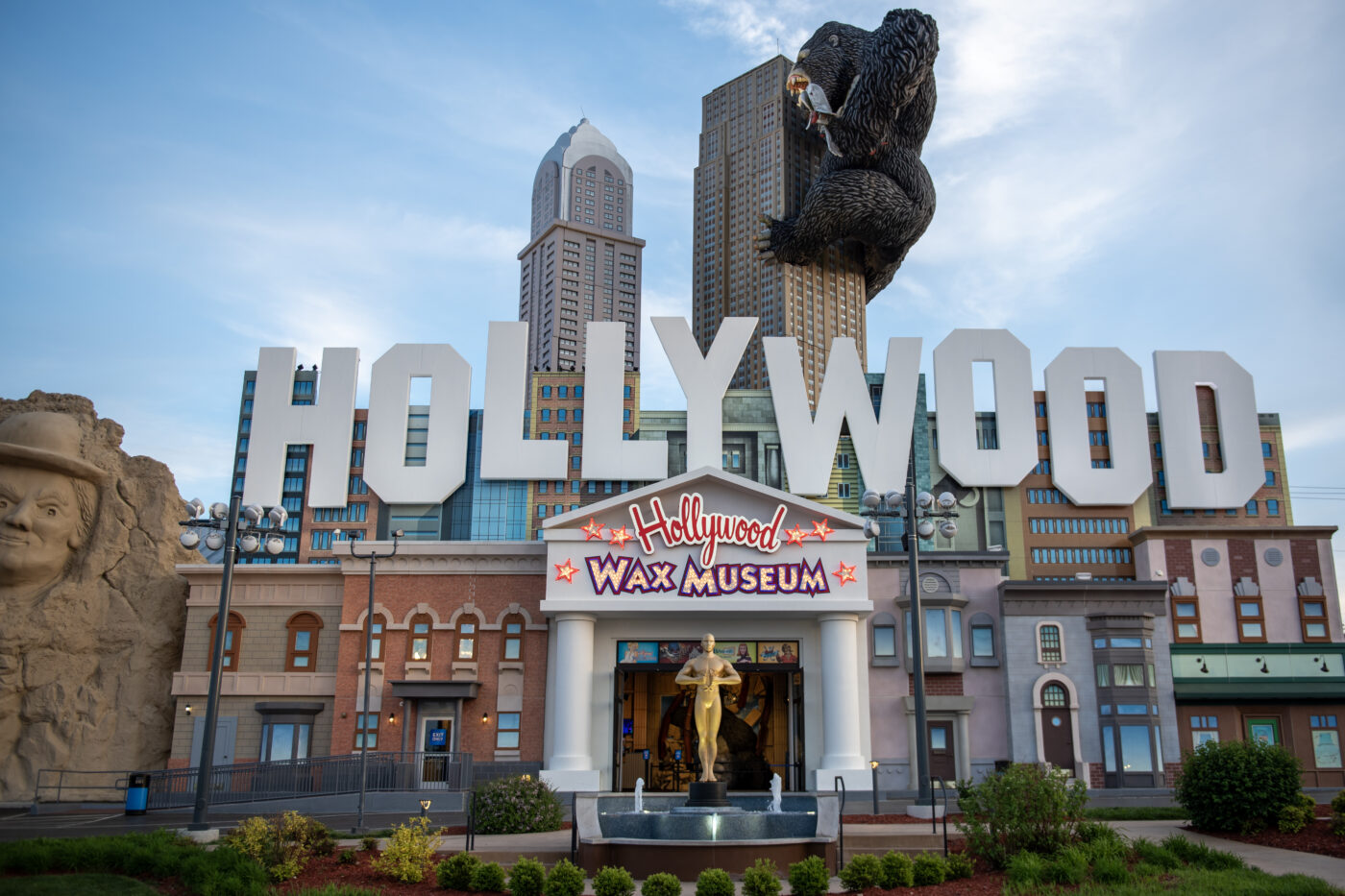
We’re currently in Branson, nestled deep within the Ozarks. Spanning across Arkansas, Missouri, Oklahoma, and Kansas, the Ozarks are renowned for their dense forests, rolling hills, and pristine streams. From what I’ve seen so far, the forests are indeed very dense. Additionally, judging by the abundance of roadkill I’ve encountered driving across Missouri, I suspect there are plenty of critters here, especially armadillos.
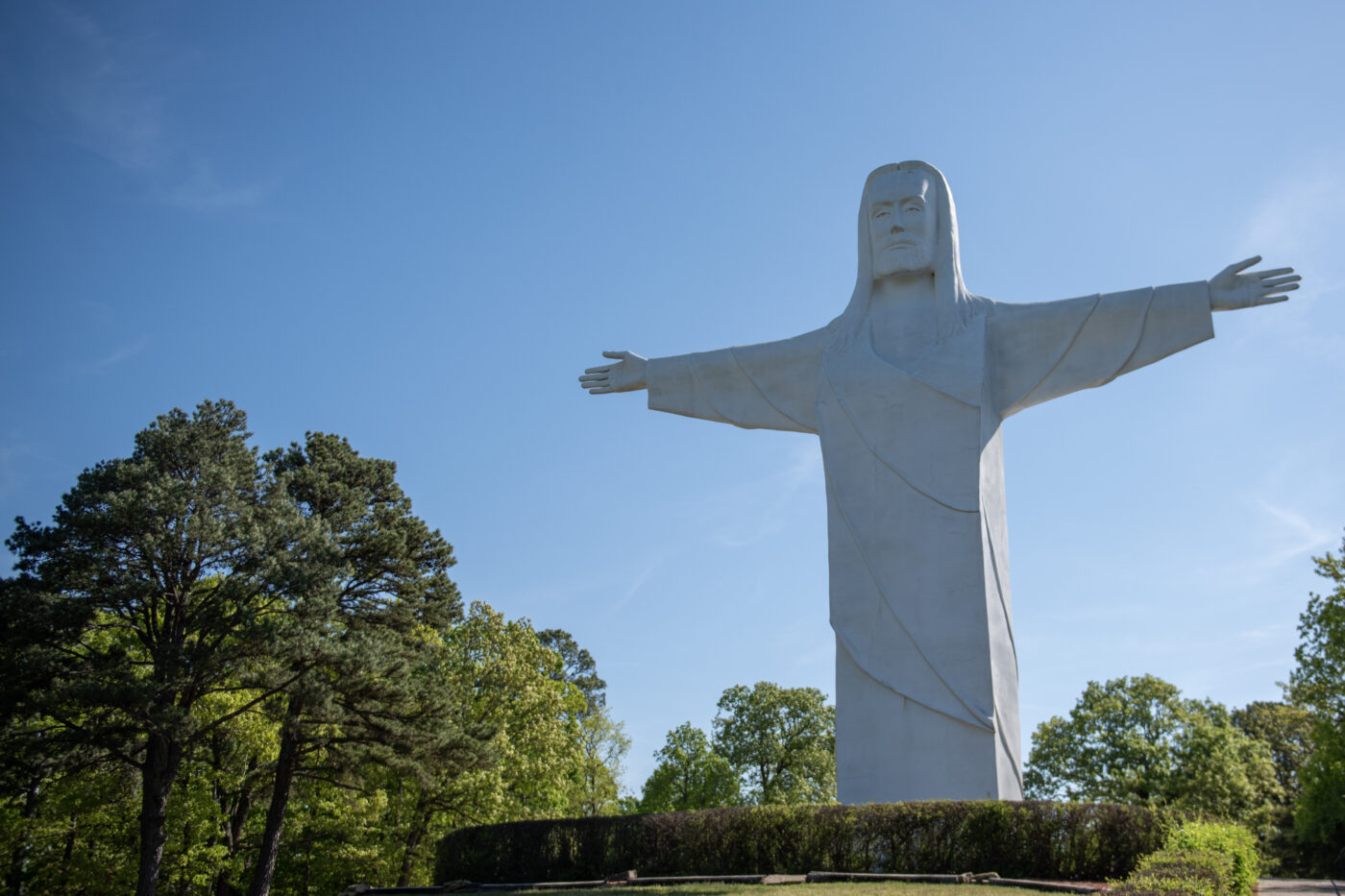
This morning, we visited Christ of the Ozarks, a monumental statue just outside the center of Eureka Springs. Towering 67 feet tall, the sculpture depicts Jesus Christ with outstretched arms, gazing out over the Ozark Mountains. Built in 1966, it has become one of the region’s most recognizable landmarks and draws thousands of visitors each year.
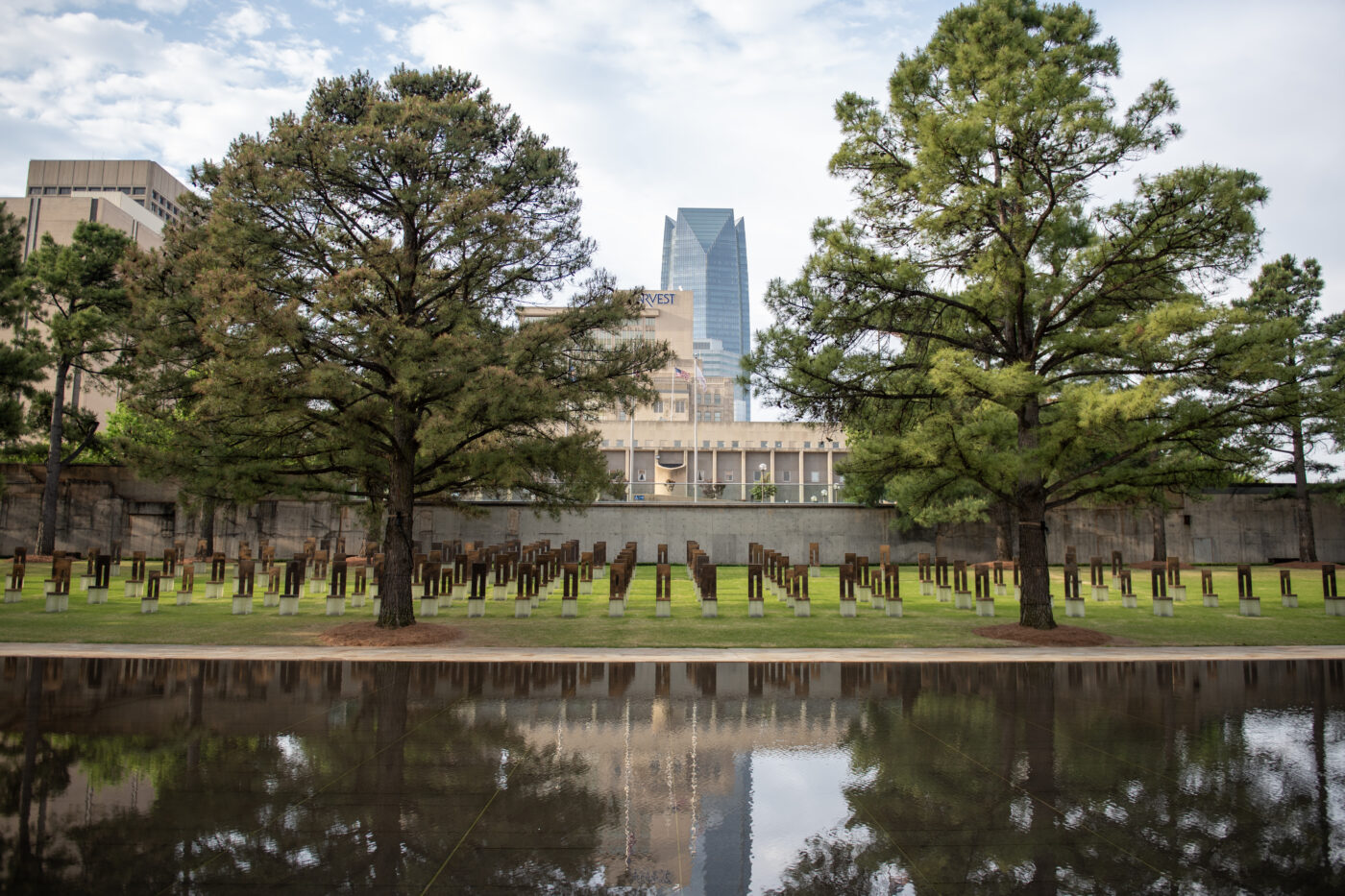
This morning, we visited the Oklahoma City National Memorial & Museum, which honors the victims, survivors, and rescuers of the bombing. On April 19, 1995, a truck packed with explosives was detonated outside the Alfred P. Murrah Federal Building. The blast killed 168 people, including 19 children, and injured more than 600 others, making it one of the deadliest acts of domestic terrorism in U.S. history.
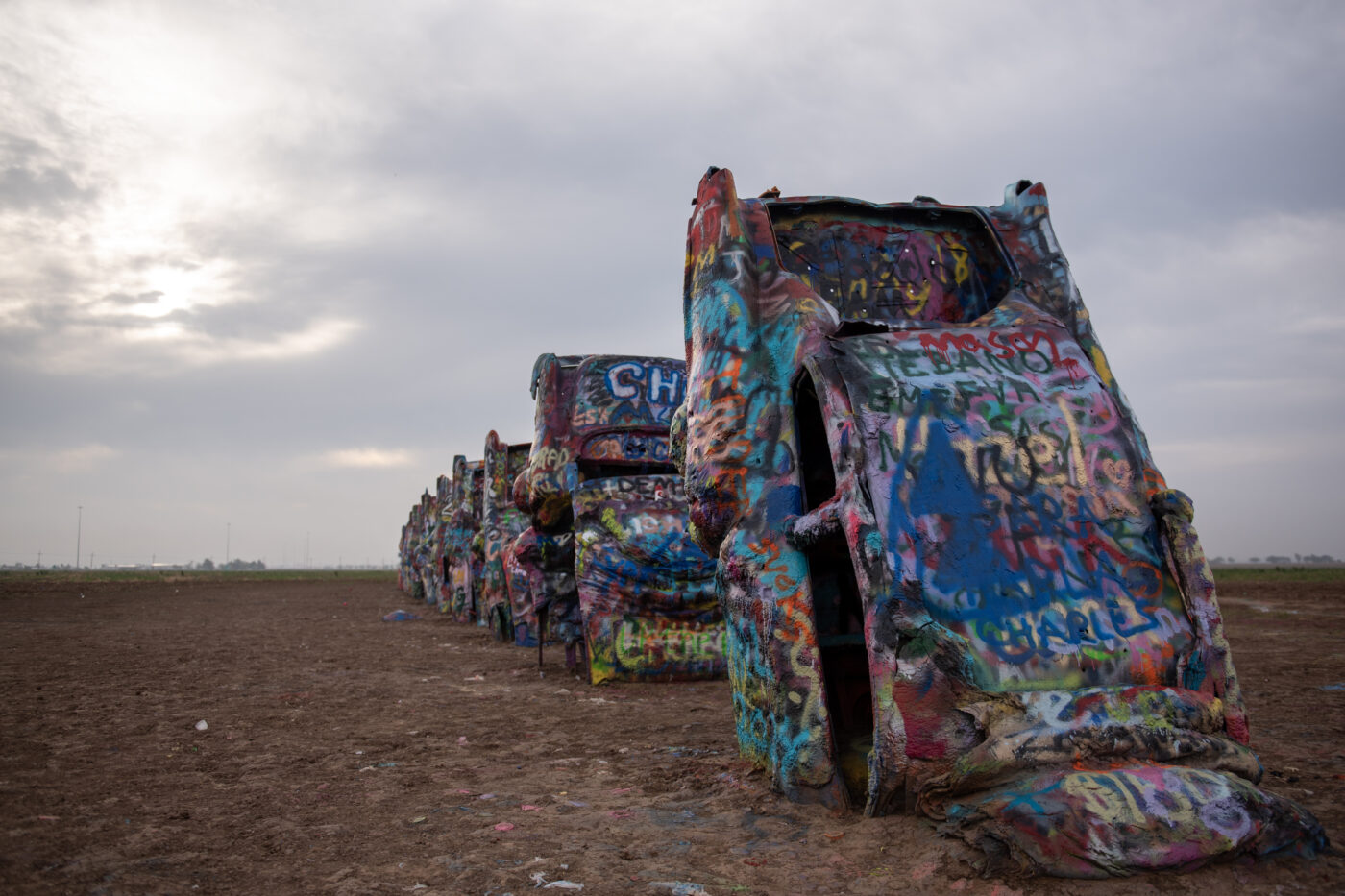
Amarillo has long served as a key hub in the American West. The area was originally home to Native American tribes and later saw European exploration in the 16th century, but the city itself did not flourish until the late 19th century with the arrival of the railroad. Its location along major cattle trails quickly made it a center of the cattle industry, and the discovery of oil and natural gas in the early 20th century transformed Amarillo into a significant energy hub.
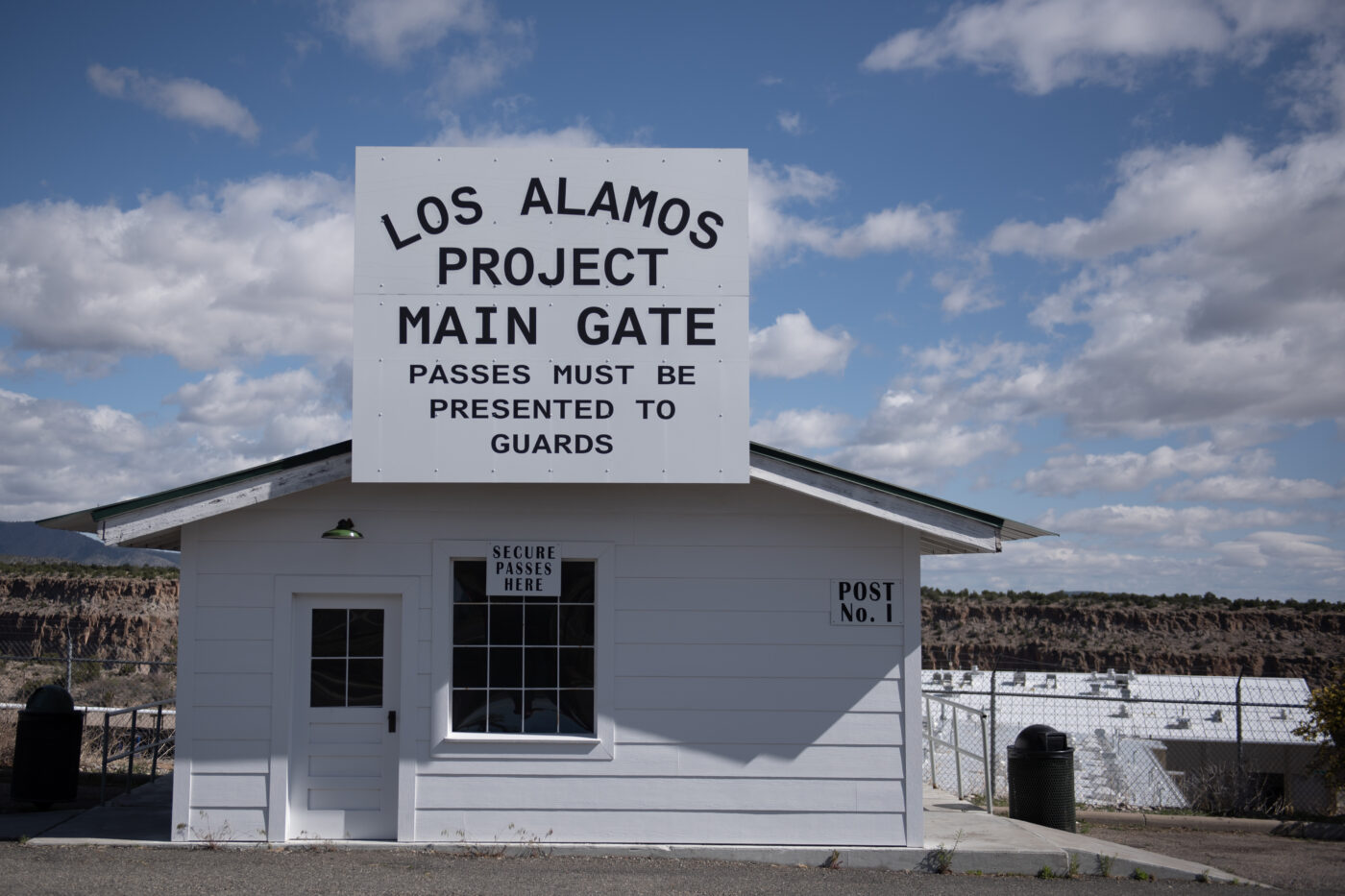
This morning, we visited Los Alamos, the birthplace of the Manhattan Project. Established in 1942 as a secret research facility, it played a pivotal role in developing the atomic bomb, which ultimately contributed to the end of World War II. The brightest scientific minds of the era were brought here, leading to groundbreaking advances in nuclear physics.
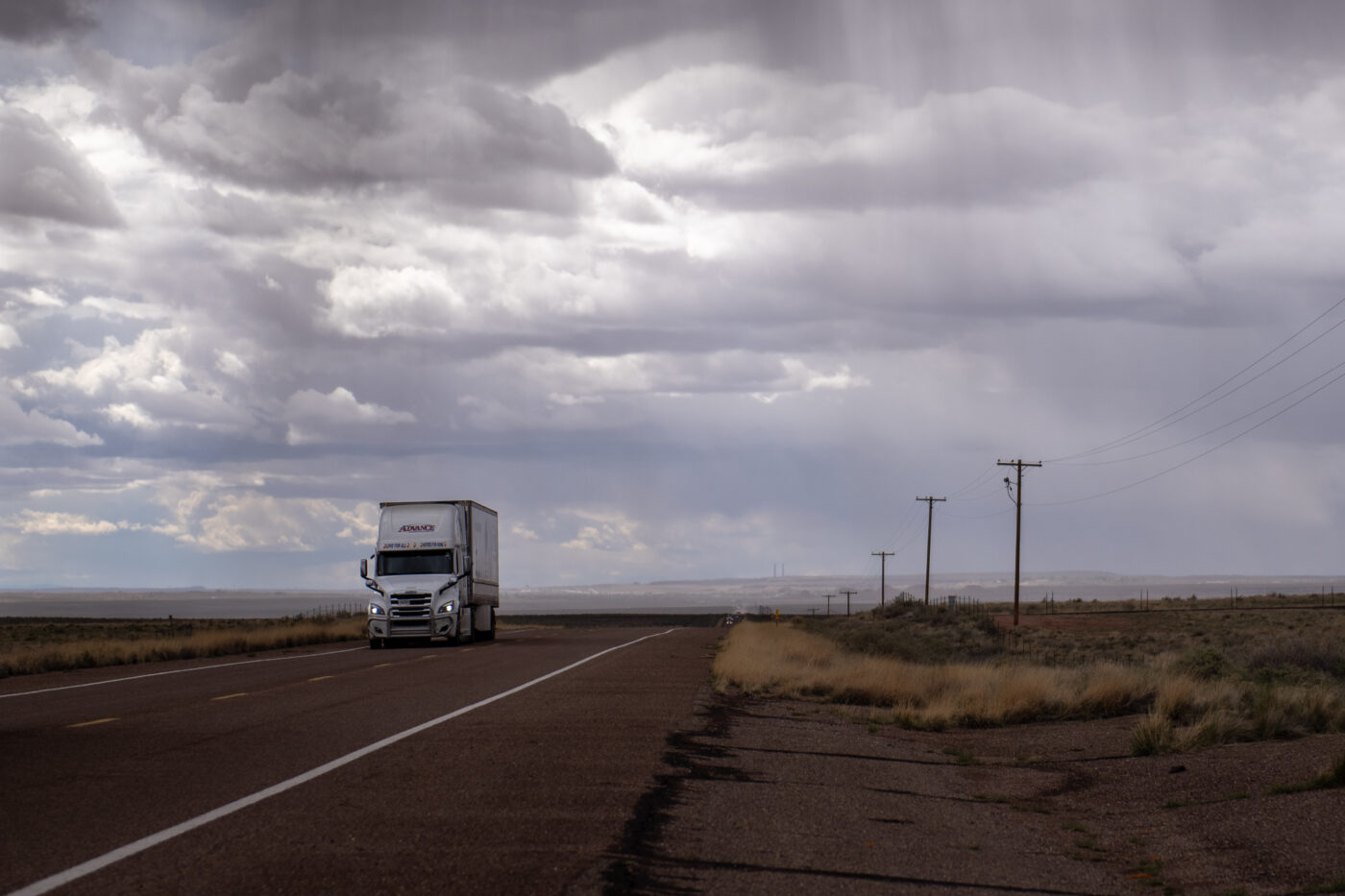
Today we departed from Santa Fe. It’s the oldest continuously inhabited state capital in the U.S., dating back to its establishment in 1610. Its significance as a vital trade hub along the Santa Fe Trail facilitated connections between the U.S. and Mexico, profoundly shaping its cultural and economic landscape. As a military outpost and governmental seat, it played a pivotal role in the expansion of the American Southwest under various colonial powers.
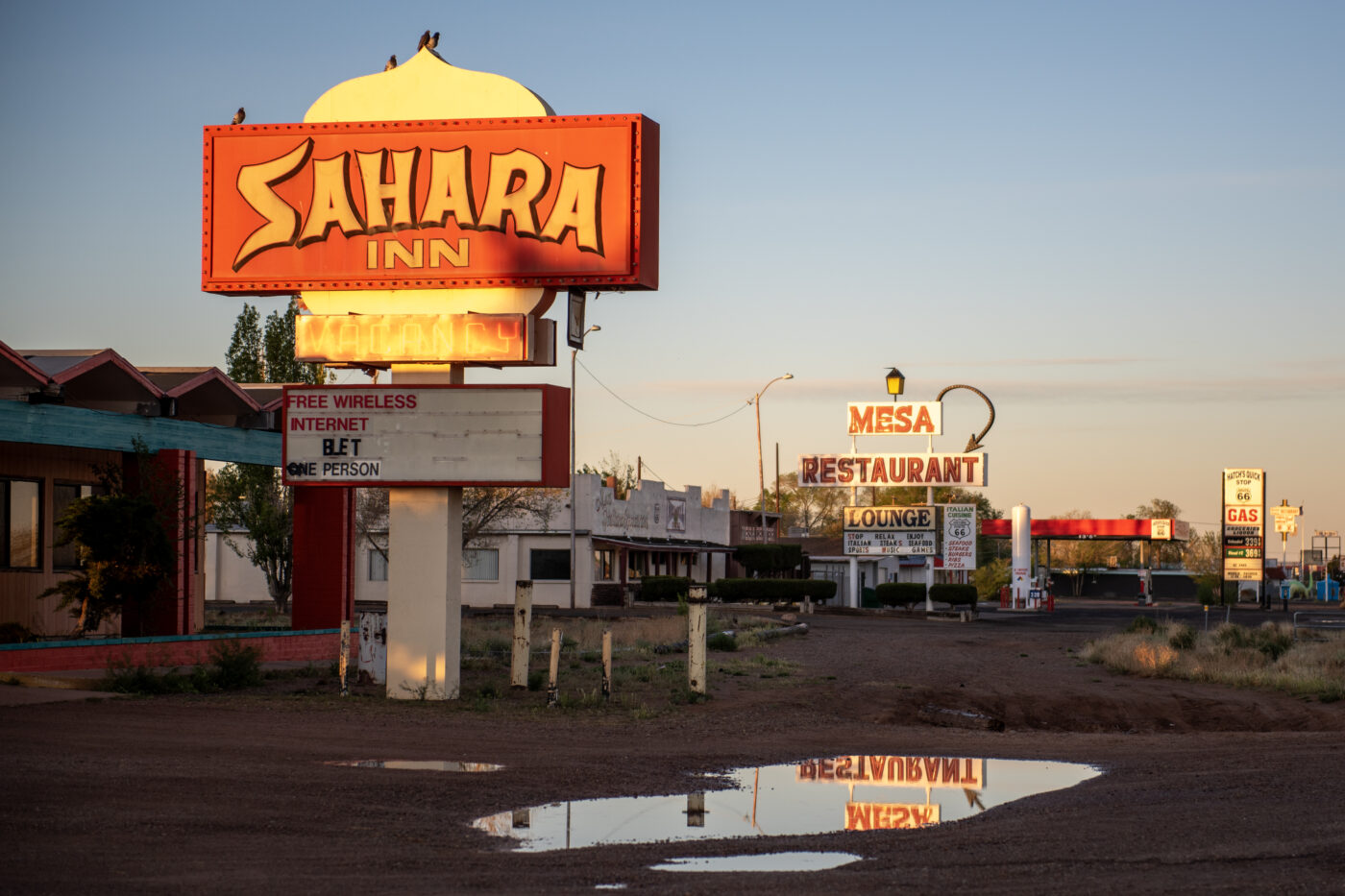
Since we started driving west, we’ve been gaining an hour every few days. Now we’re back on Pacific Standard Time, though our bodies still feel like they’re on Central, maybe even Eastern, time. This morning, Bruno woke me up at 5 a.m. expecting breakfast and a walk. I obliged, and we used the early start as a chance to wander the neighborhood before leaving Holbrook.
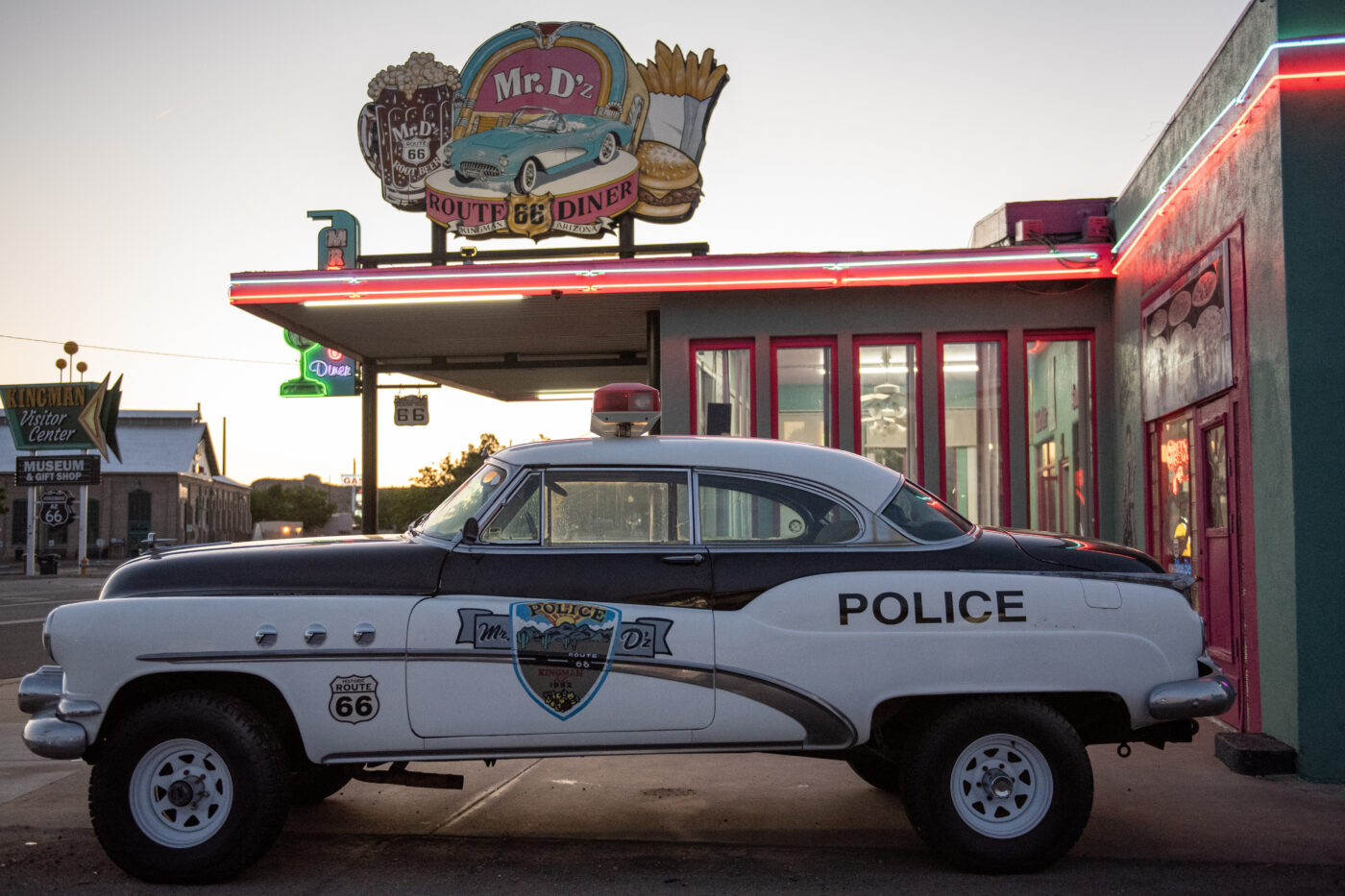
Today we left Kingman. Founded in the late 19th century during the railroad and mining boom, the town’s early history is closely tied to the development of transportation and mining in the region. Its historic downtown still showcases architecture from that era, offering a glimpse into its past prosperity.
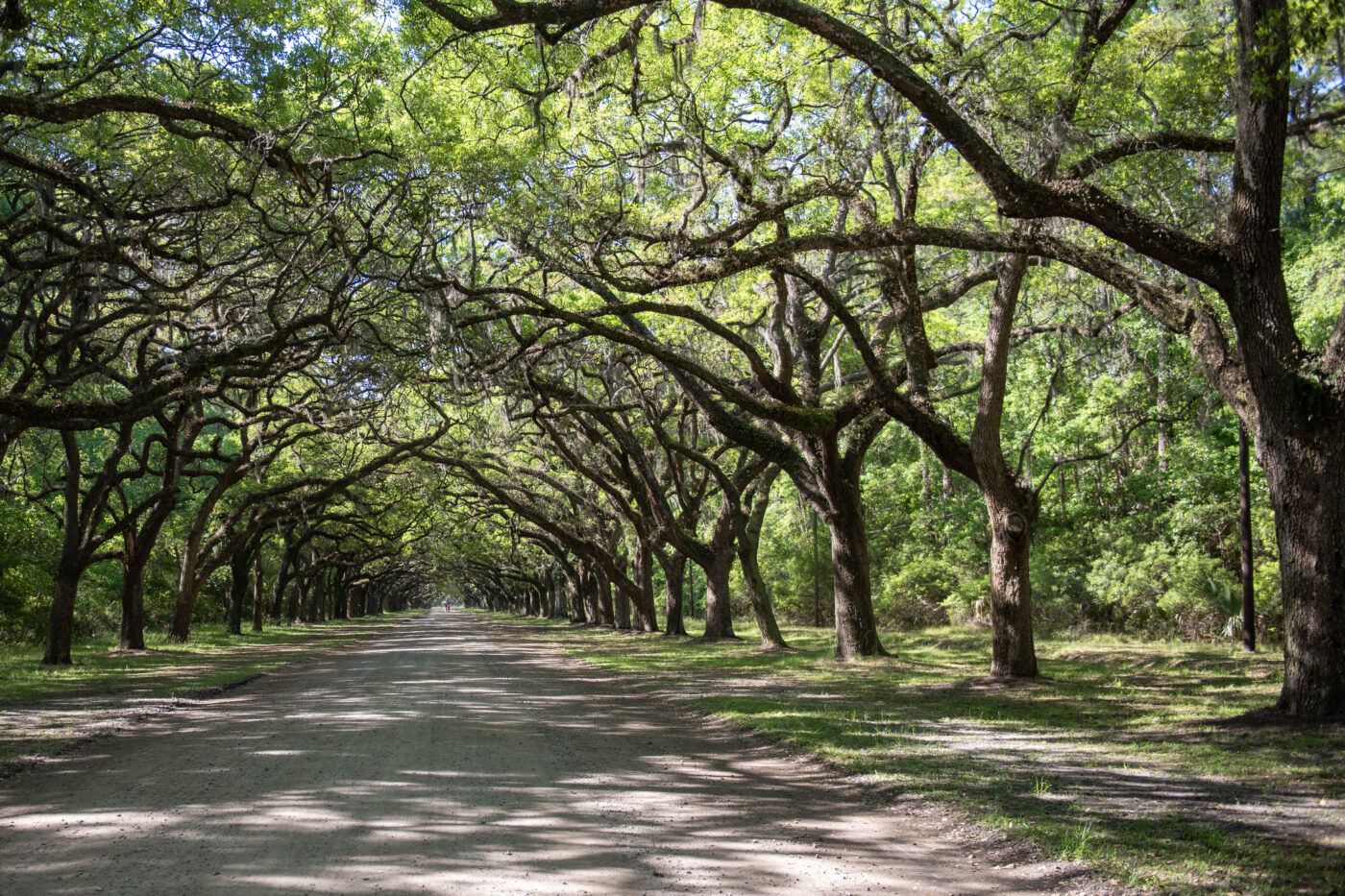
Sweat rolled off my forehead as my shirt clung to me. It was another damp, sticky morning, but for a brief moment, Bruno and I found cool relief under a thick canopy of trees. Our journey had taken us from our home in San Francisco across the nation, and now we stood at the entrance of Wormsloe State Historic Site in Savannah, Georgia. This former plantation and grand estate, with its avenue of moss-draped oaks, seemed to whisper the stories of those who had labored on these grounds centuries earlier. In this sheltered place, I realized this was more than just a cross-country adventure. It was an opportunity to connect with and consider the complex history of America.