
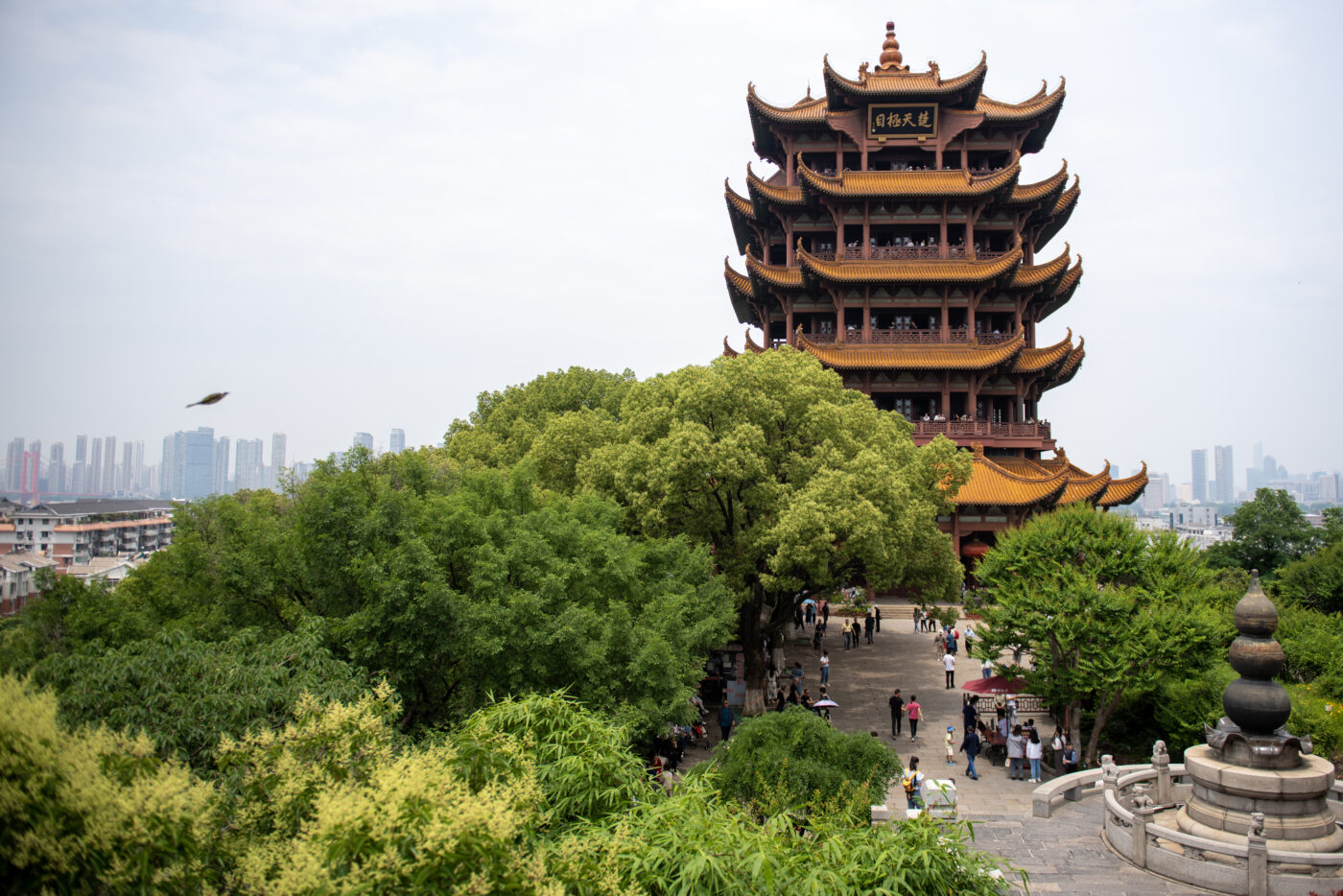
For my last day in Wuhan, I visited Yellow Crane Tower, one of the city’s most famous landmarks. This structure has existed in some form since AD 223, rebuilt over the centuries after fires and wars but always returning as a symbol of the city. Today it stands with bright yellow tiles and curved eaves, perched on a hill overlooking the Yangtze River.
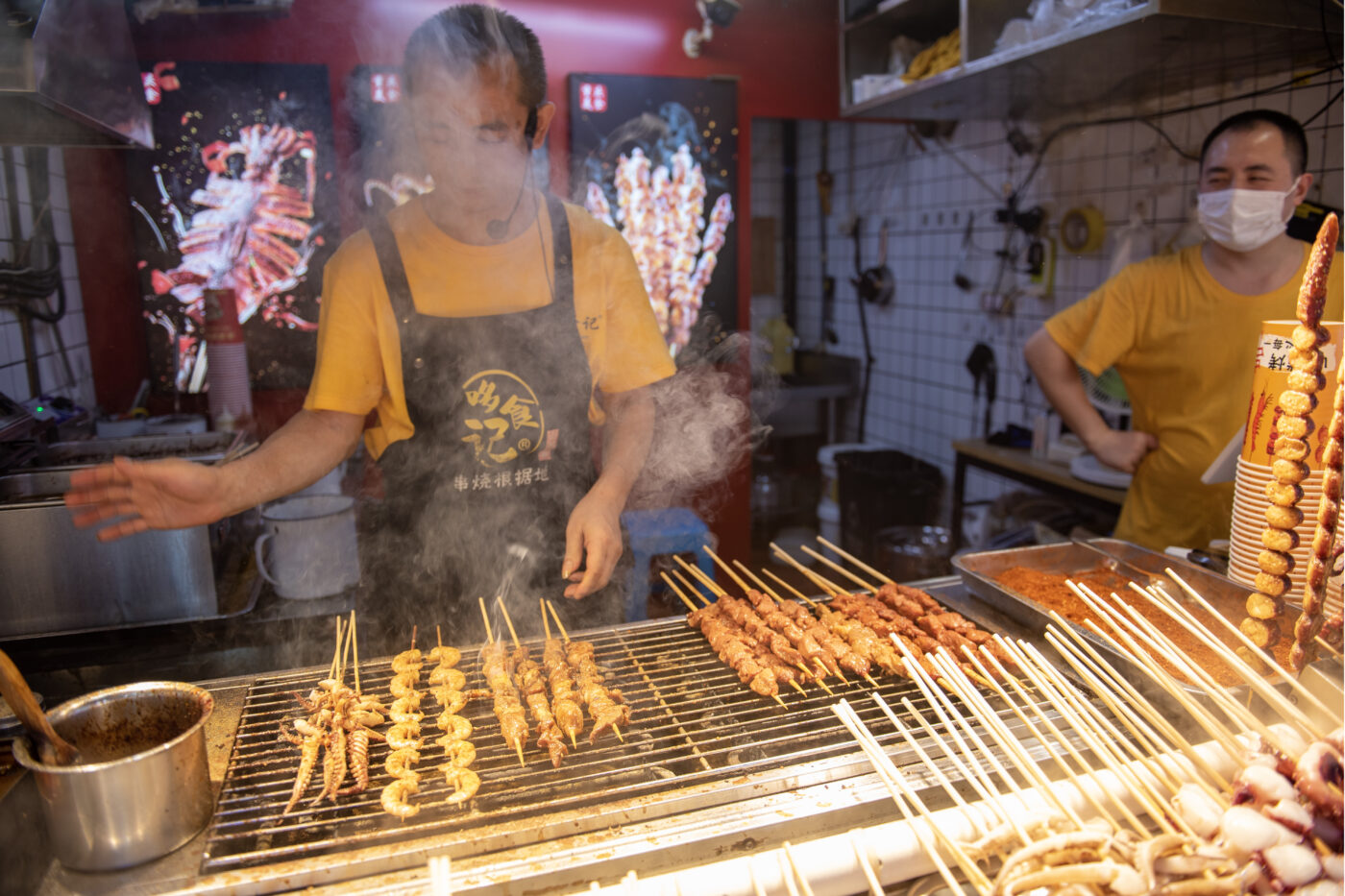
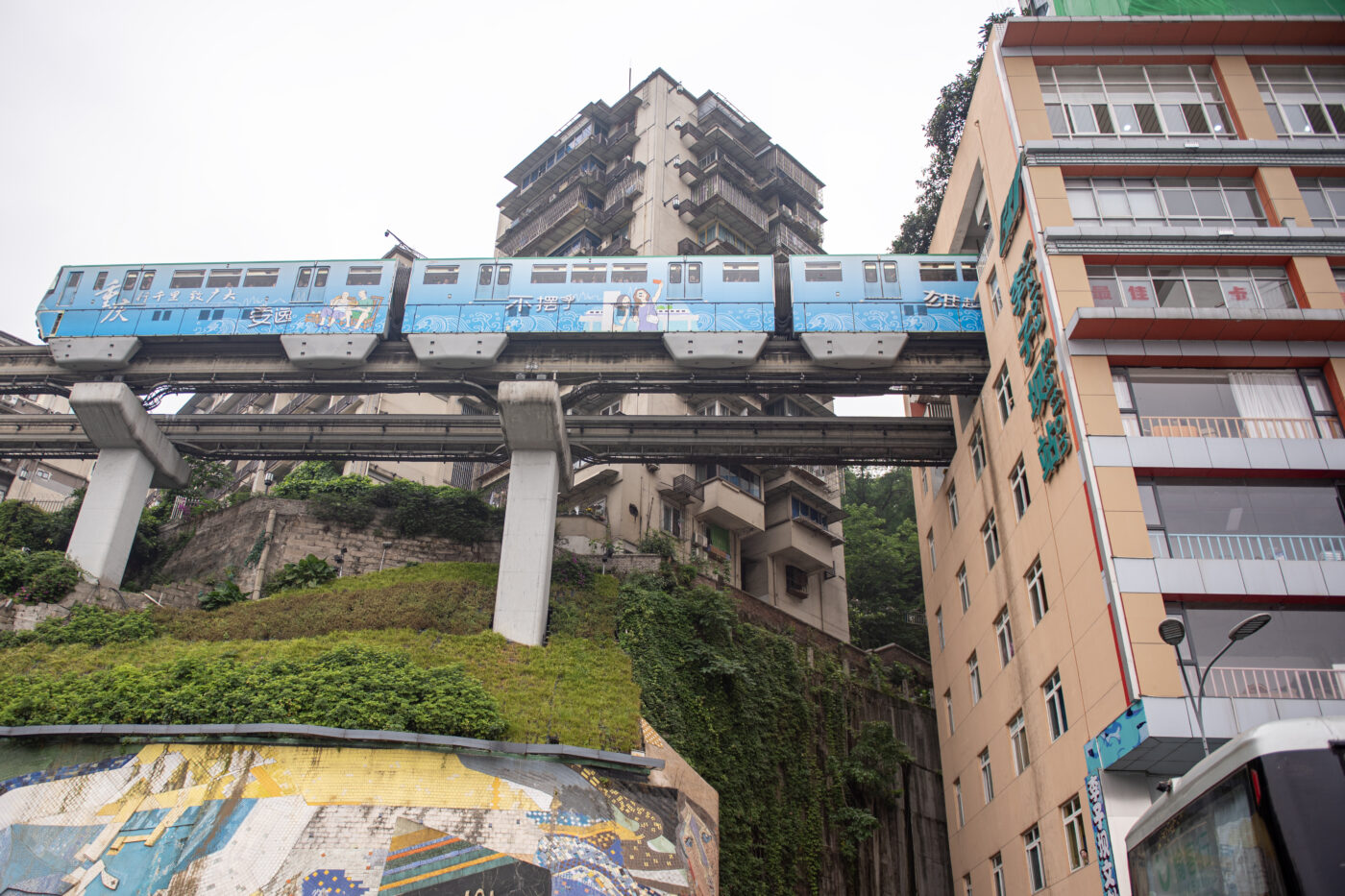
I arrived in Chongqing! This is the largest inland city in China, with more than twice the population of New York City. Built on steep hills where the Yangtze and Jialing Rivers meet, the city rises in tiers of glass towers and winding roads, stitched together by soaring bridges and tunnels that cut straight through the mountains. The scale is staggering, both in population and in infrastructure.
I went on a river cruise along the Jialing River, which took us around parts of Chongqing. I managed to capture these stunning views of the city from the river. I didn’t expect to enjoy the tour as much as I did, but I did, and the photos turned out beautifully.
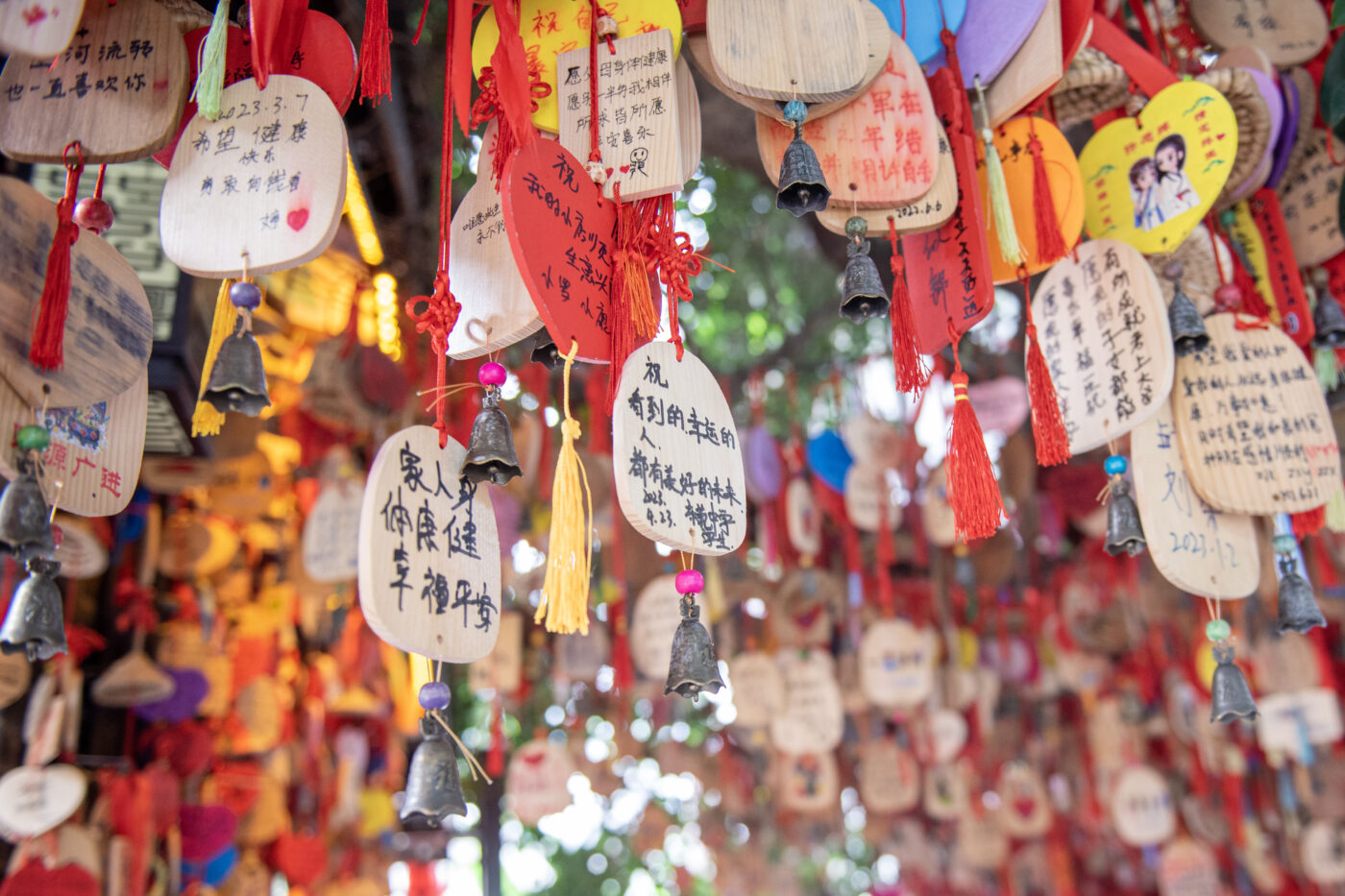
I visited Ciqikou, an ancient town that was once known for its thriving porcelain production. Those days are long gone, and there’s little, if any, porcelain made here now. What remains are the old streets and traditional buildings that reflect its history.
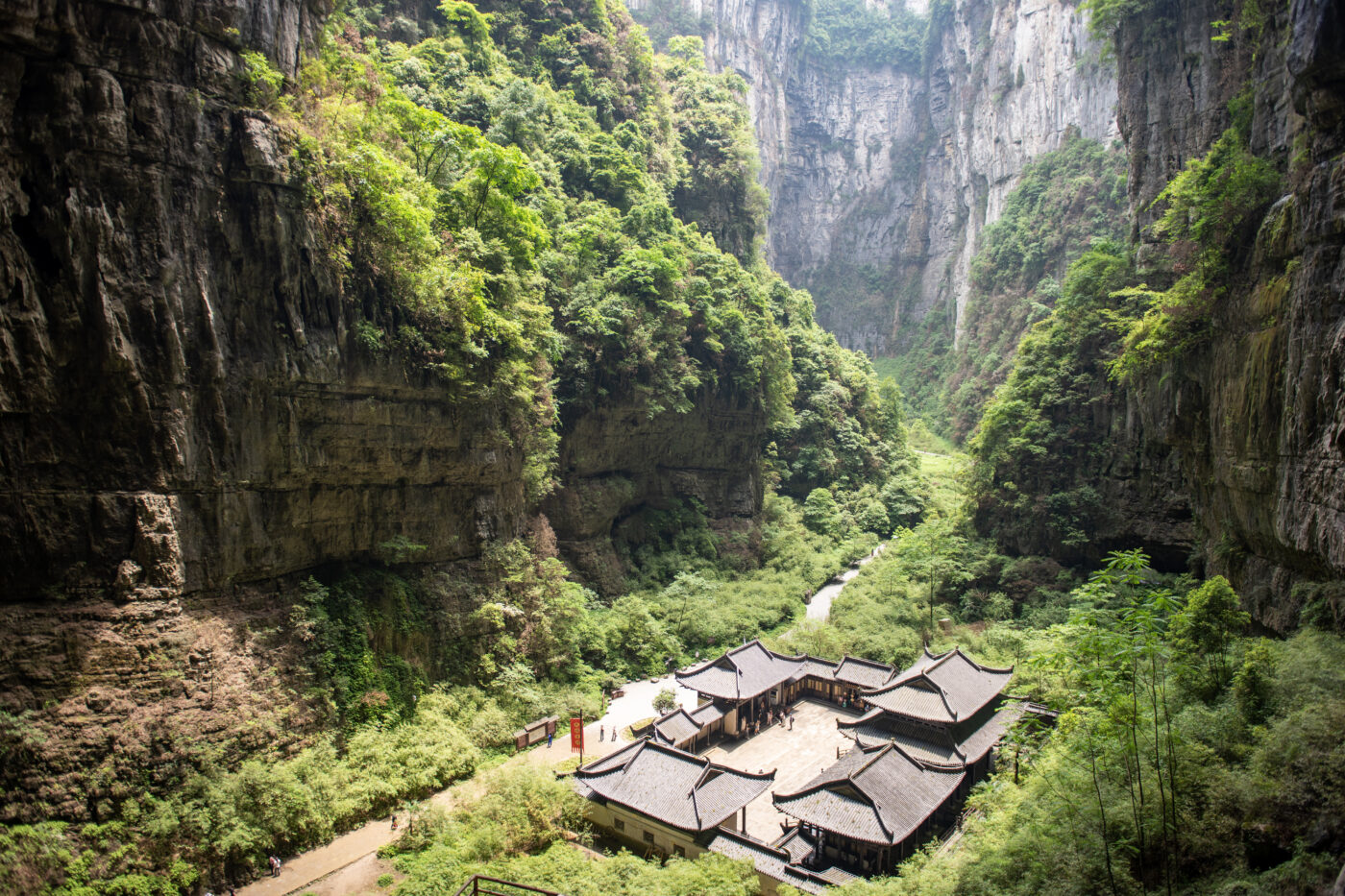
I visited Wulong Karst, a region about two hours outside Chongqing known for its steep cliffs, caves, and massive sinkholes. It’s a UNESCO World Heritage Site now, but it really became a hit after Transformers: Age of Extinction filmed scenes here. Even without the Hollywood connection, Wulong has long been considered one of the most striking landscapes in China.
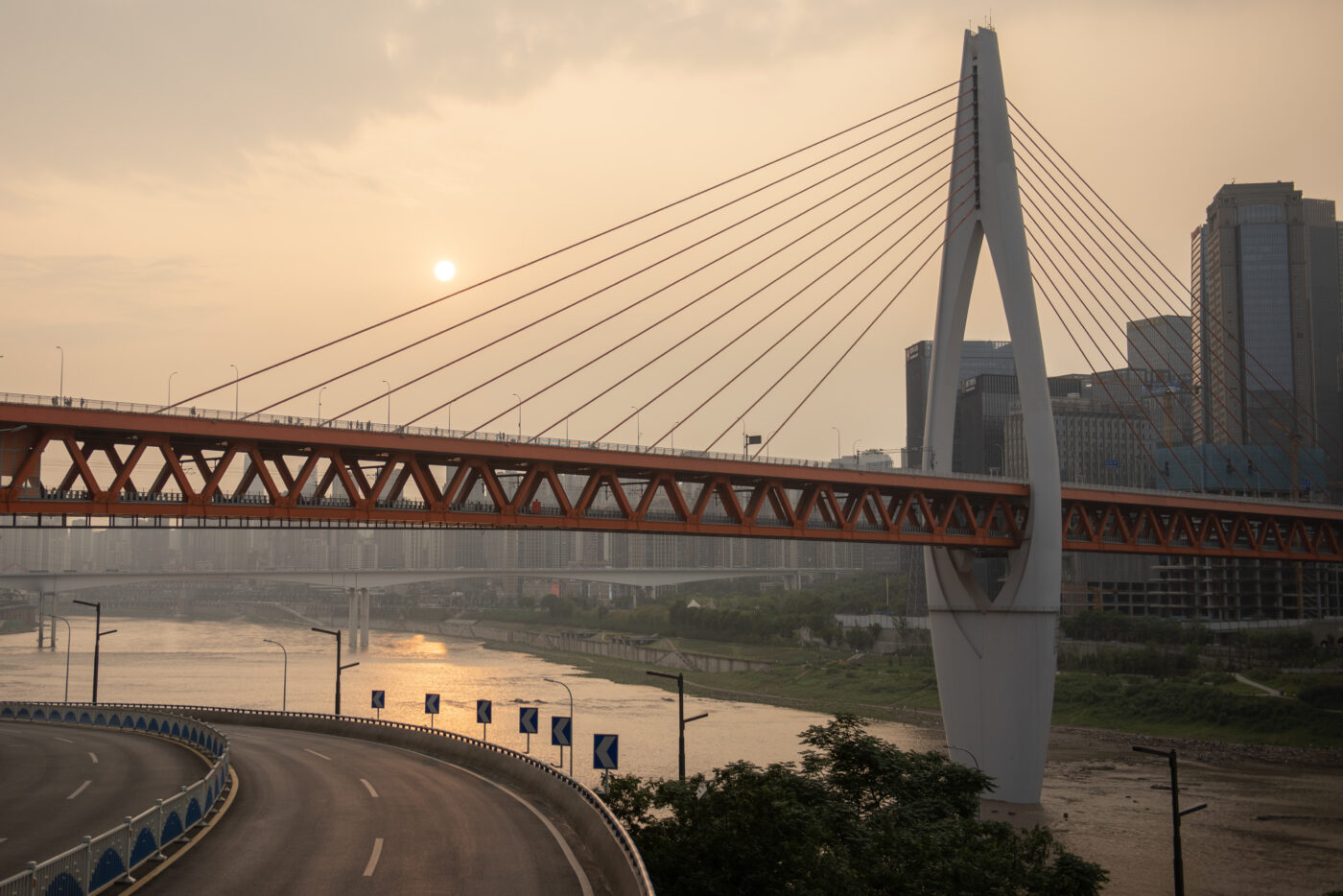
For my last day in Chongqing, I toured People’s Square, the Three Gorges Museum, and the Great Hall of the People. I was hoping for more from the Three Gorges Museum, but it focused less on the Three Gorges and more on general Chinese history. However, considering it from that perspective, it wasn’t bad.
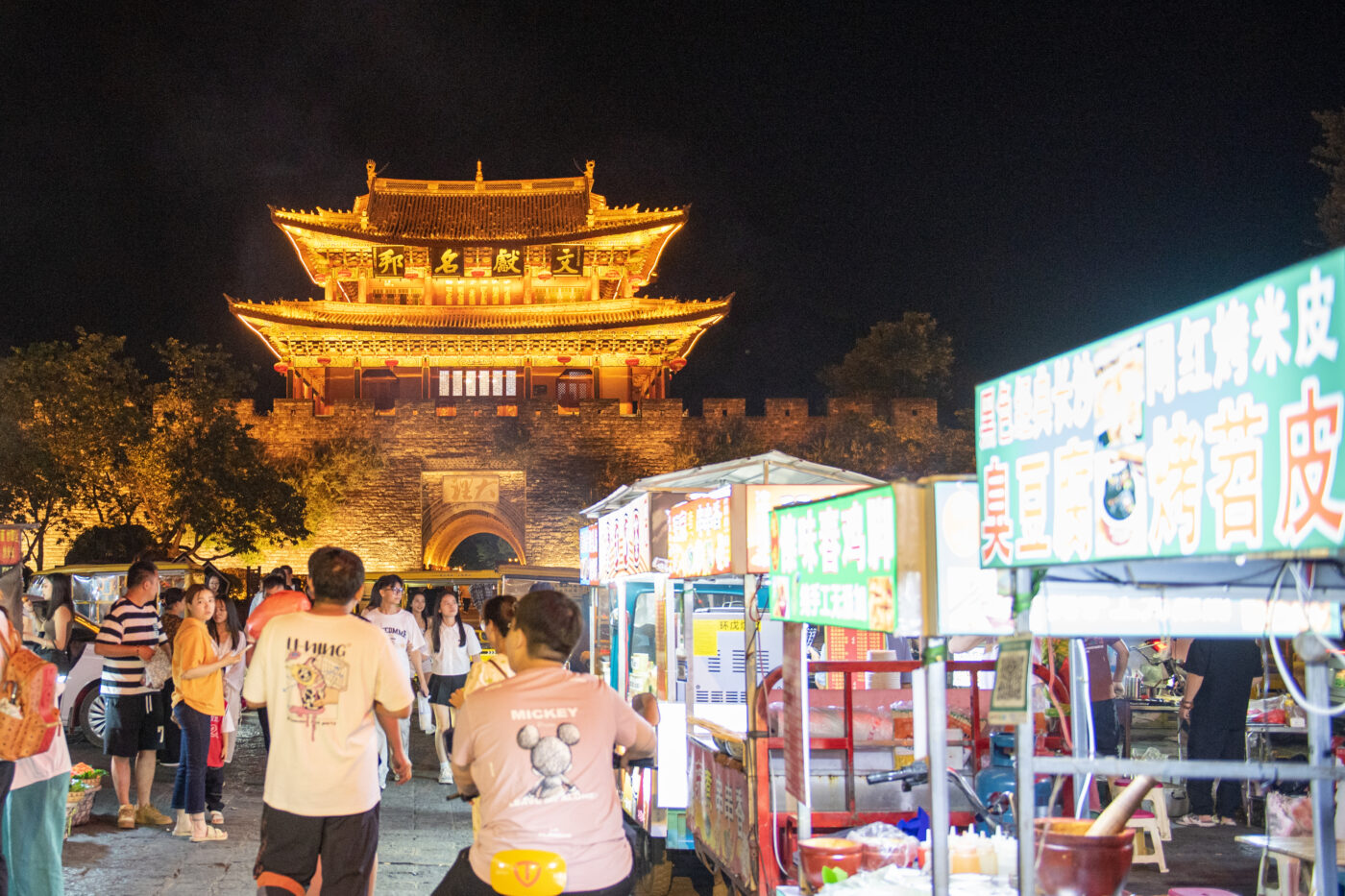
I’ve made it to Dali, in Yunnan province. Yunnan’s a landlocked region in southwest China that borders Vietnam, Laos, and Myanmar. Because of its location, it’s one of the most ethnically diverse provinces in the country. Historically, it served as the capital of the Dali Kingdom, which once encompassed present-day Yunnan along with parts of Laos and Myanmar. After the kingdom fell, its people, primarily the Bai, came under the control of the Mongol-led Yuan dynasty and later the Ming dynasty.
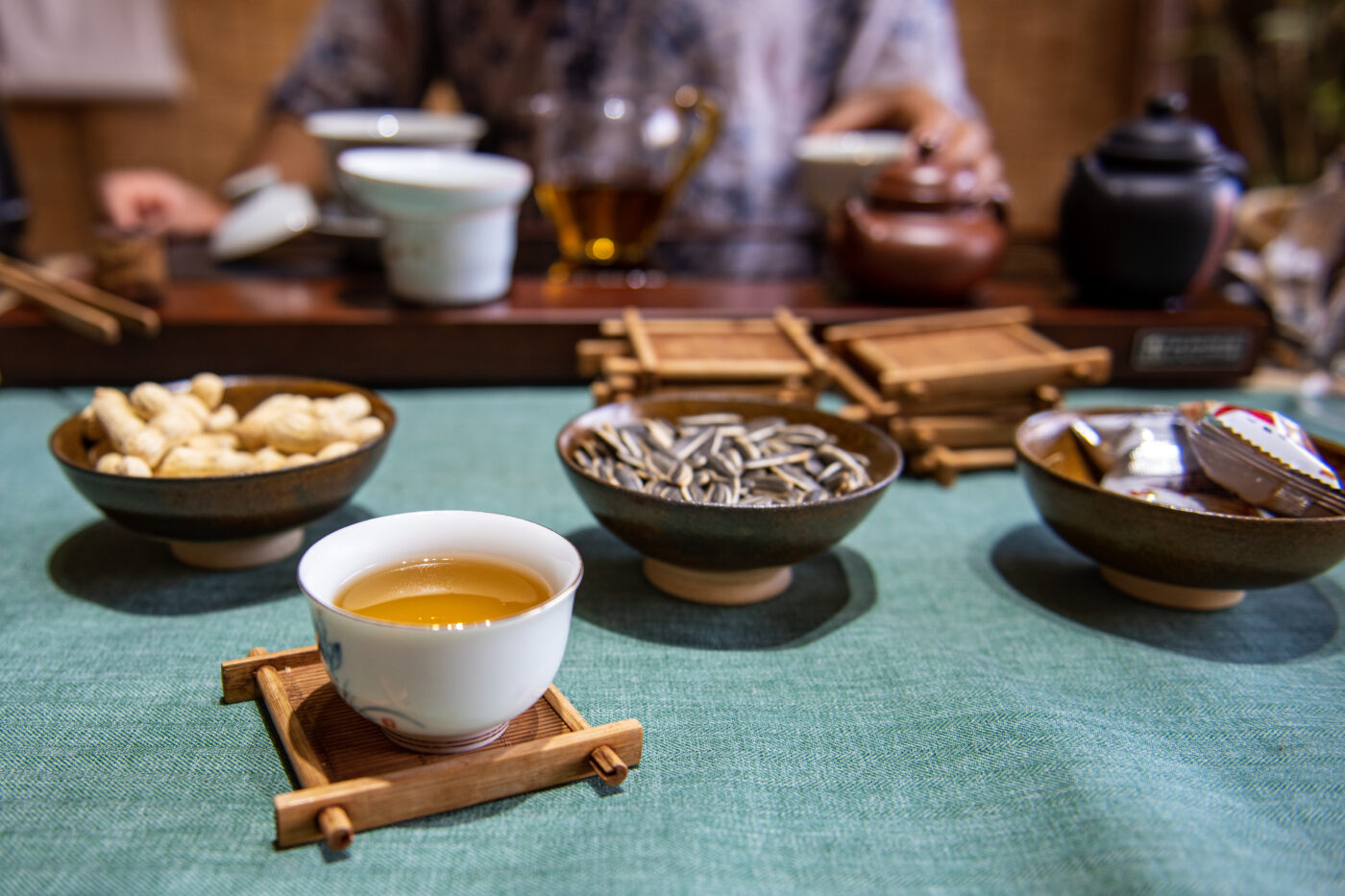
Yunnan, along with Fujian, is one of the two provinces most celebrated for tea in China. Today, I visited a popular tea house where my host, whose family has been steeped in the tea trade for generations, guided me through several varieties, each with its own story and flavor.
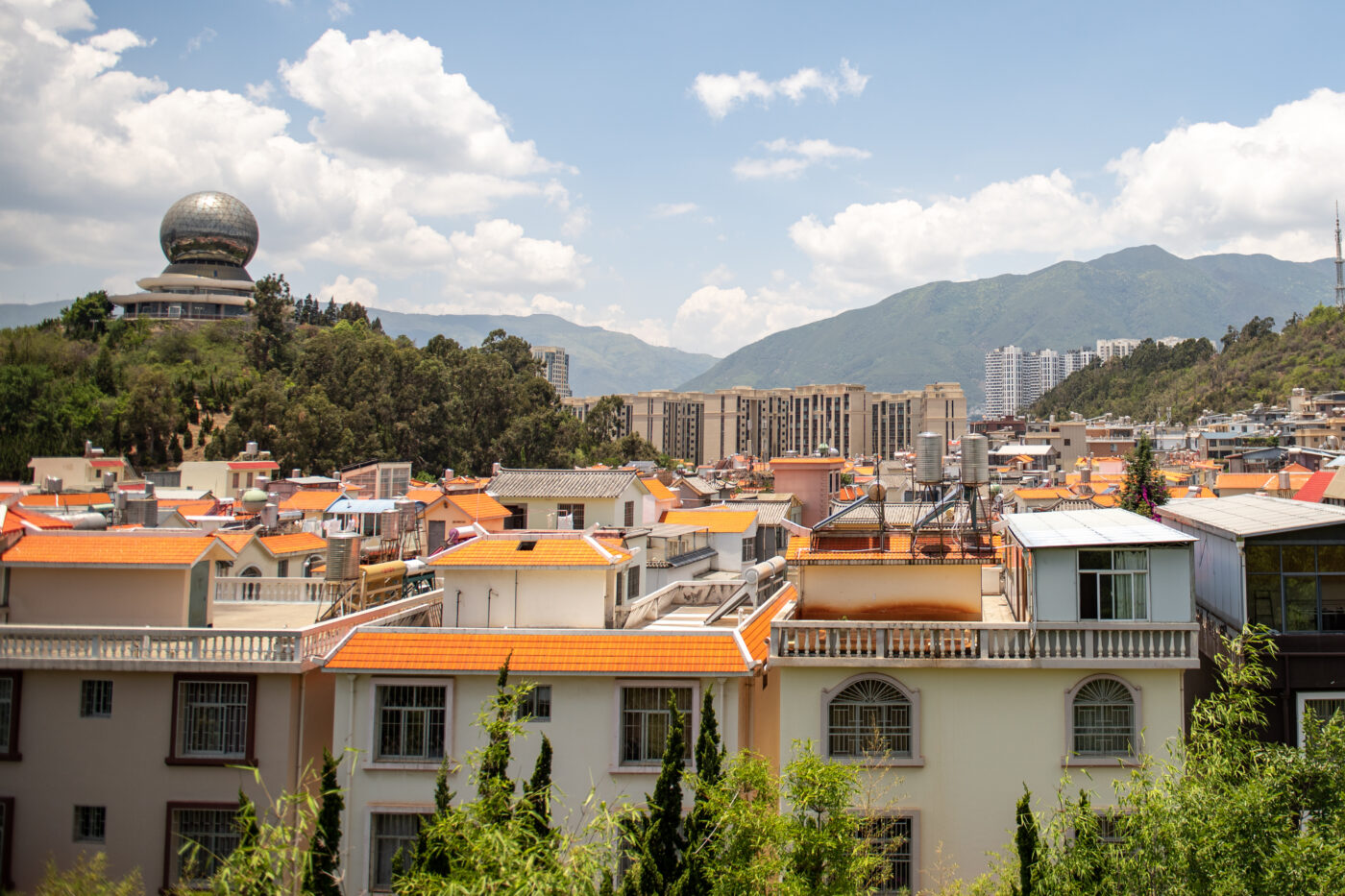
I visited Xiaguan, Dali’s modern city center, and began with Erhai Park. The park is massive, with winding paths, gardens, and even a sizable amusement park tucked inside its grounds. I spent a good part of the morning wandering through the shaded walkways before moving on.
This morning, I visited March Street, where a monthly street market takes over the area. I came by to photograph it, but when I arrived, I made a bit of a foolish mistake. I’d been craving fresh durian, the famously stinky but delicious fruit, so I gave in and bought one.