
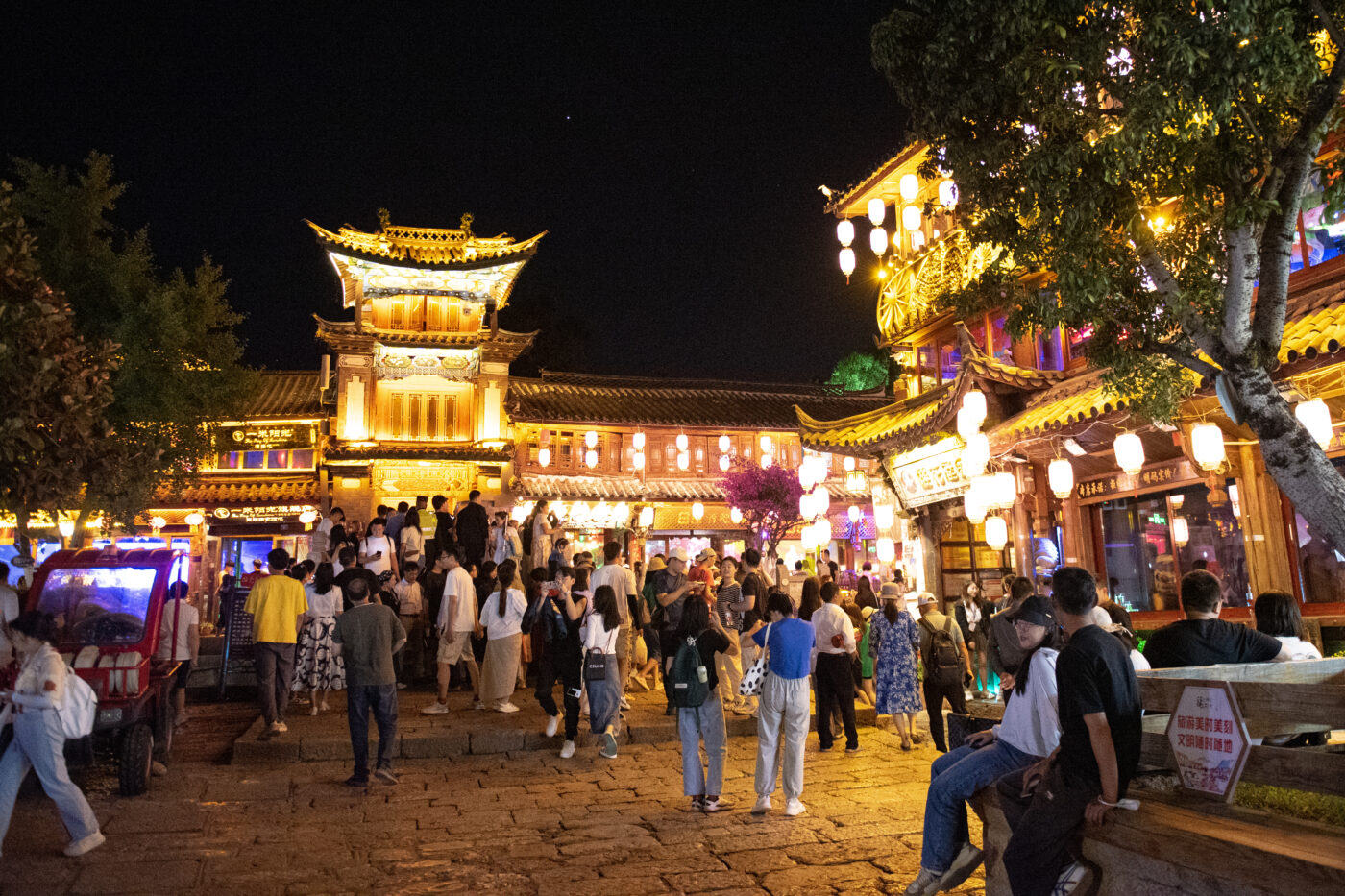
I made it to Lijiang, home to the Naxi people. This ethnic minority is believed to have migrated from Tibet and eventually established the Kingdom of Lijiang, ruling the region for centuries. Their independence ended when Kublai Khan conquered them and incorporated the territory into the Yuan dynasty. Over time, Lijiang became an important stop along the Silk Road and a key center for the Ancient Tea Horse Road, famous for its role in the trade of tea, silk embroidery, and horses between Yunnan, Tibet, and beyond.
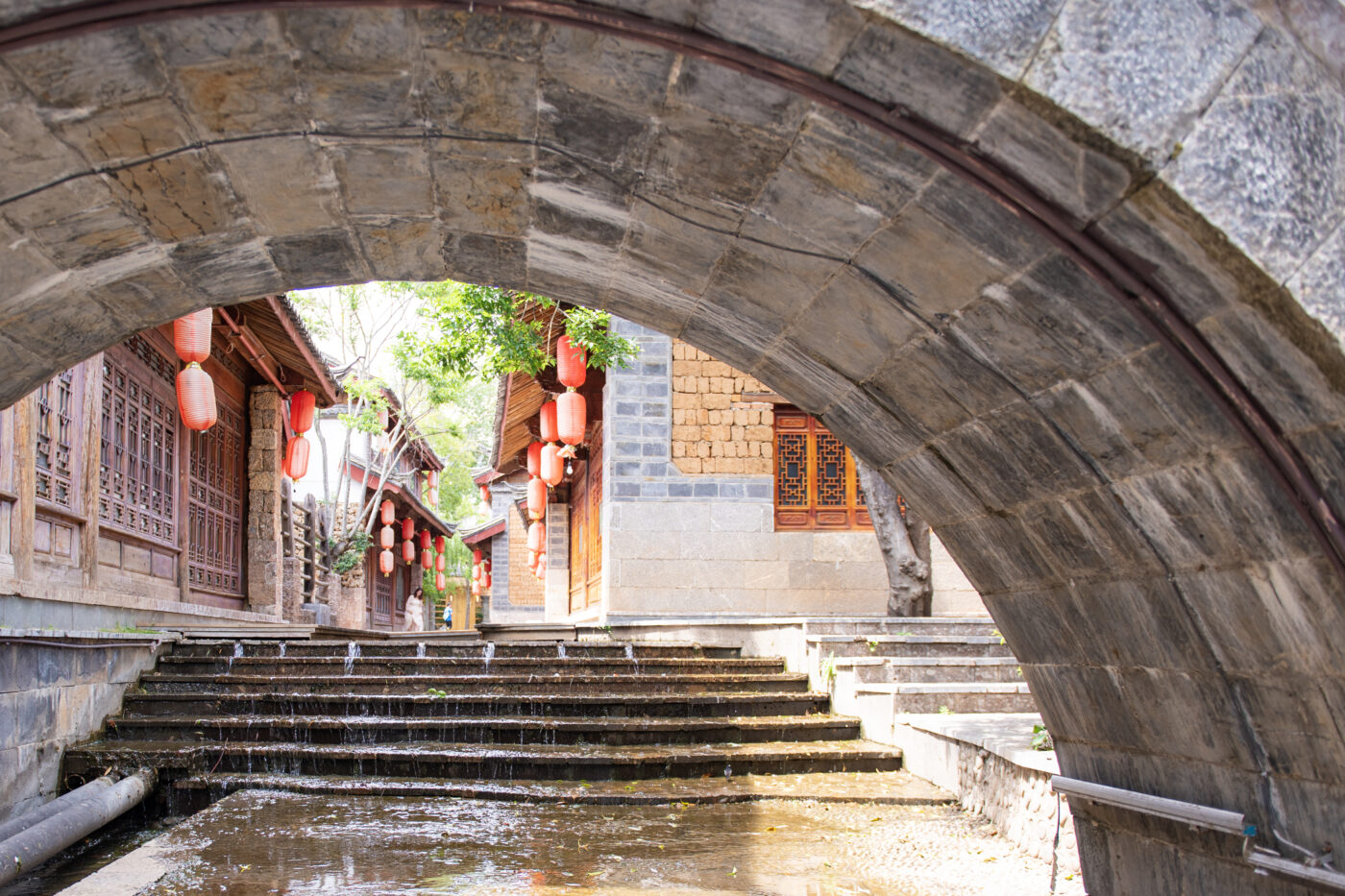
I visited Shuhe Ancient Town, just a short distance from Lijiang. Often described as the cradle of Naxi culture, it was one of the earliest Naxi settlements before Lijiang grew into the political and cultural center of the region. While Lijiang became famous as a hub for trade and governance, Shuhe retained more of its small-town and local character.
Today I took a tour through the broader Shangri-La region, which included a visit to Tiger Leaping Gorge. The gorge dramatically straddles the border between Lijiang and Shangri-La County, offering towering rapids and narrow cliffs along the Jinsha River. Mountains rise nearly 4,000 meters above the river on either side, creating sheer walls and narrow trails that cling to the canyon’s edges. It’s a place of staggering scale and natural beauty, famous among hikers and travelers across China.
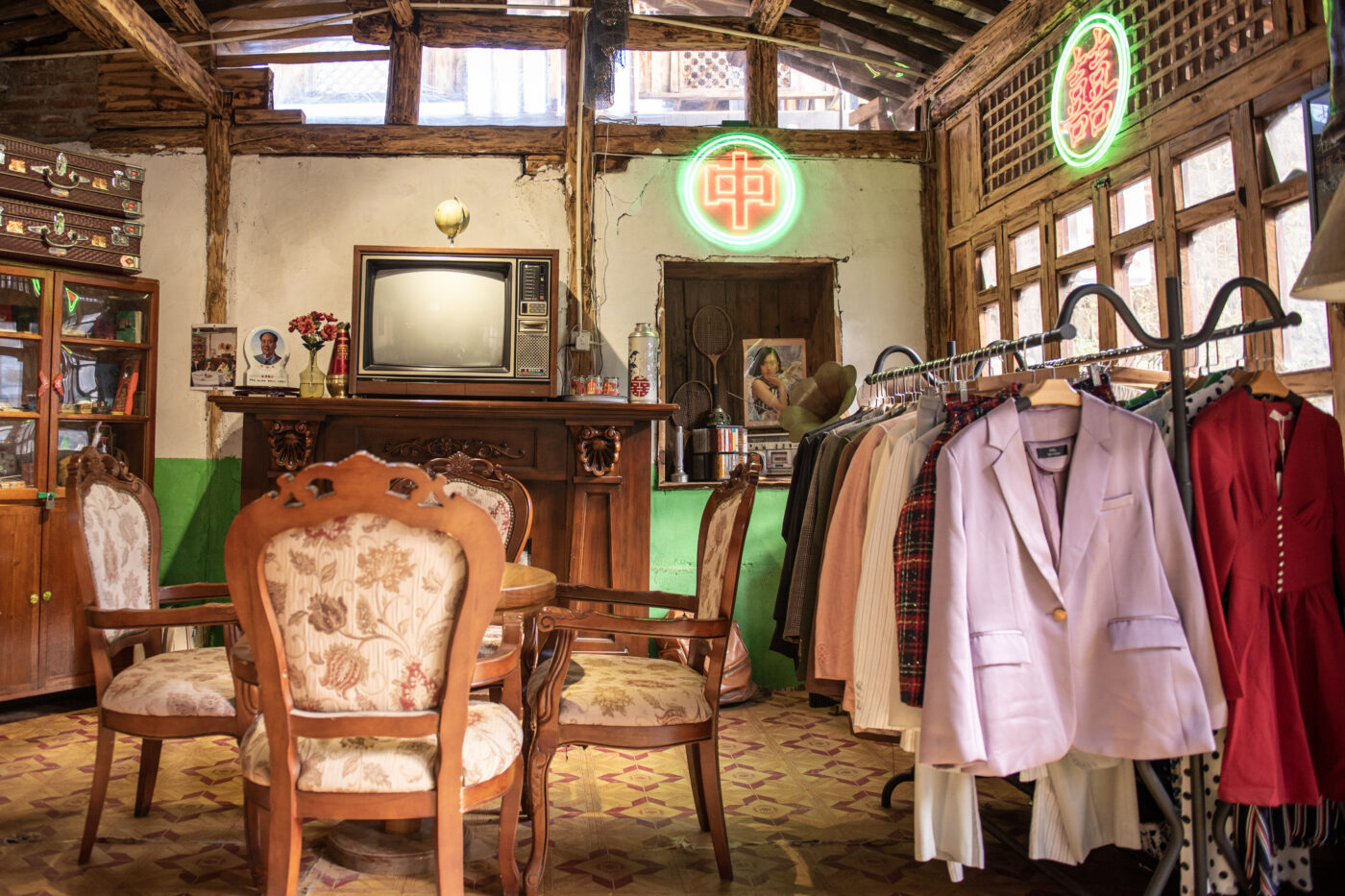
On my last day in Lijiang, I visited Baisha Village, the original settlement of the Naxi people in the region. Long before Lijiang Old Town became the hub it is today, Baisha served as the political, social, and cultural center for the Naxi kingdom.
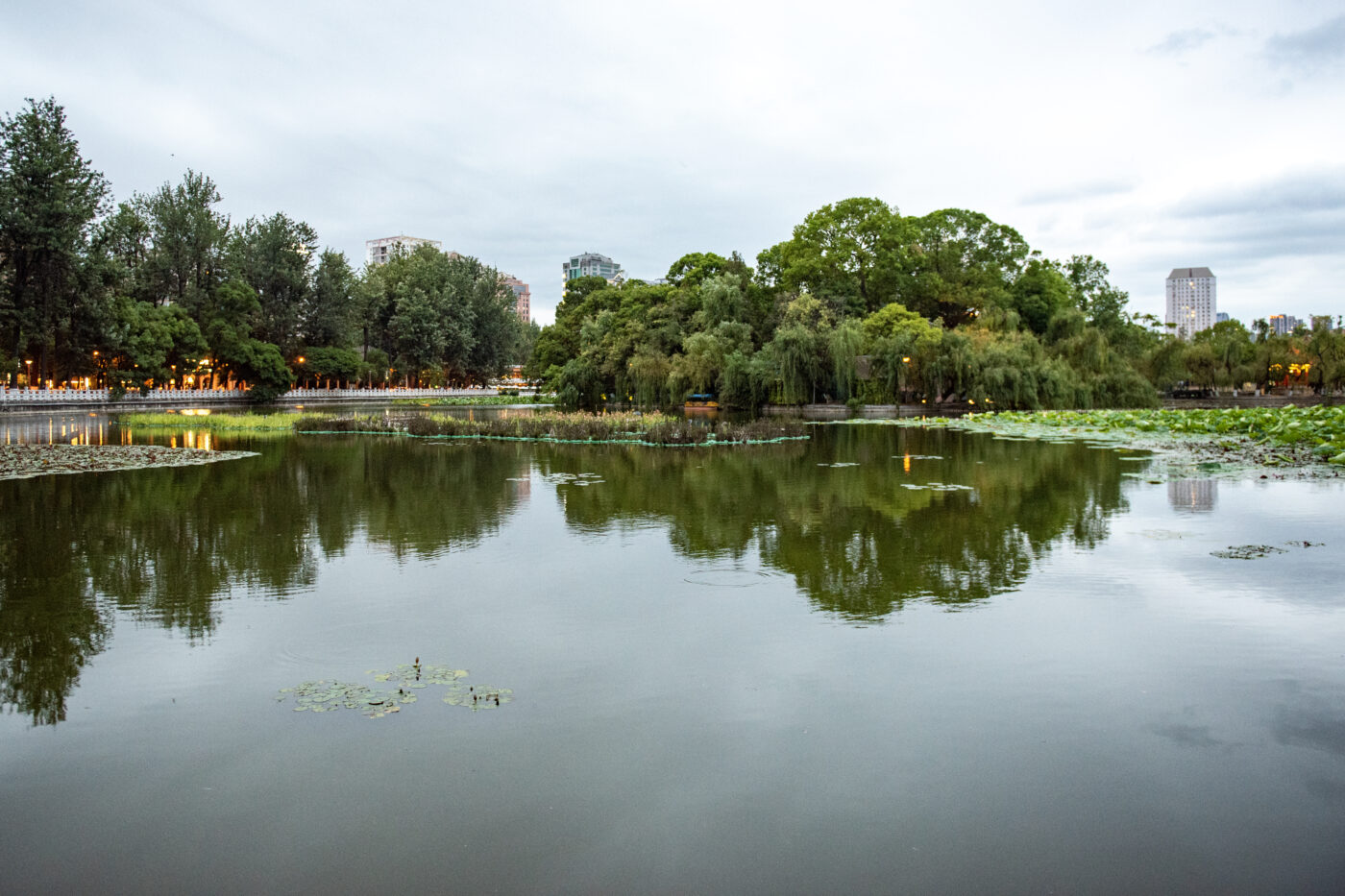
When I arrived in Kunming, the capital of Yunnan province, I was immediately struck by how different it felt from other Chinese cities I’ve visited. Known as the “Spring City” for its mild, year-round climate, Kunming has long been a crossroads for trade, culture, and migration, shaped by its proximity to Vietnam, Laos, and Myanmar. The mix of influences shows up everywhere, from food and language to architecture, and gives the city a character that feels both distinctly Chinese and unmistakably international.
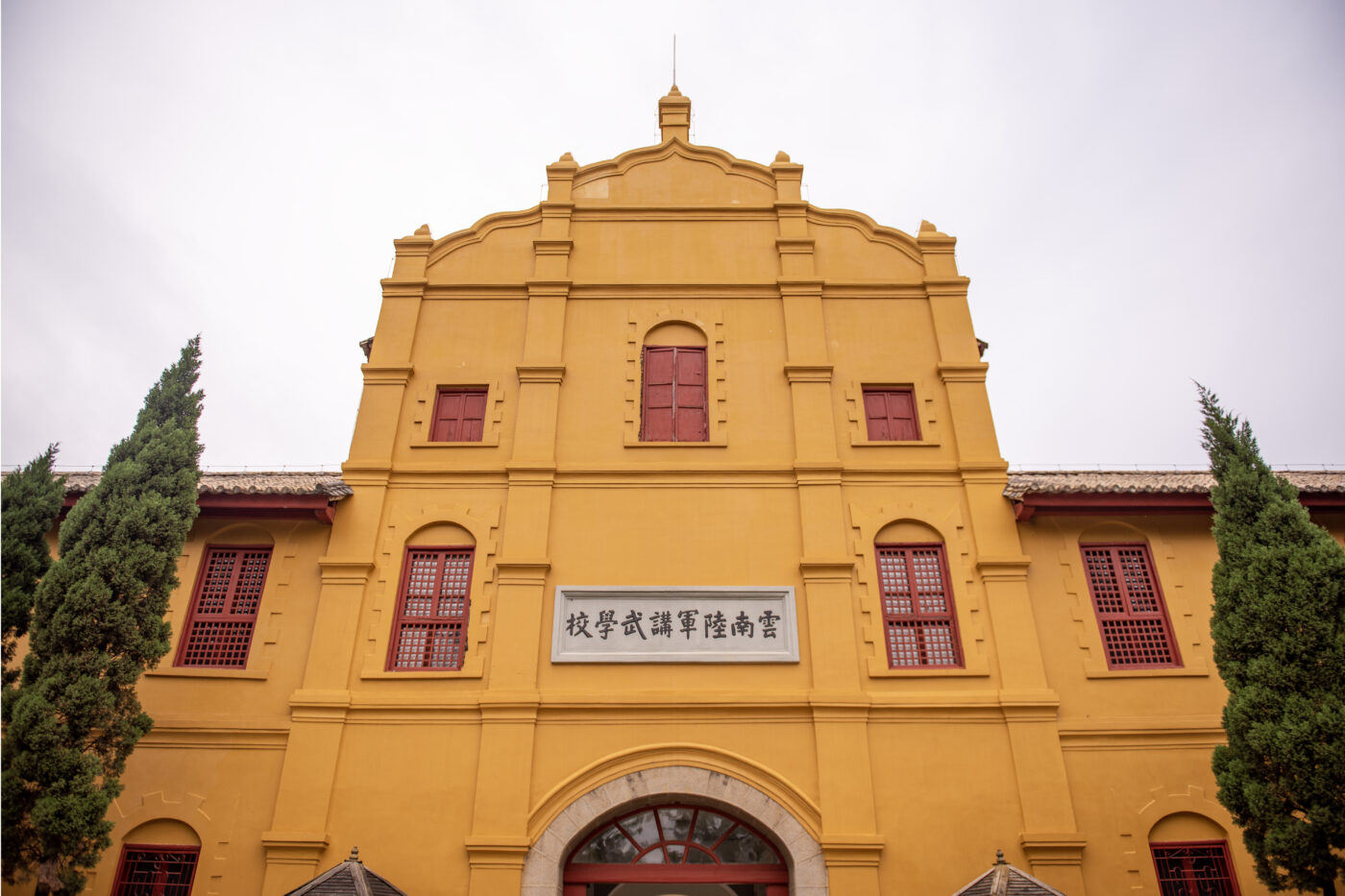
I spent some time at Green Lake Park, Kunming’s crown jewel. Right in the heart of the city, the park is made up of several small lakes linked by stone bridges that date back centuries. Willow trees line the water’s edge, their branches dipping into the surface as paddle boats drift lazily by. Pavilions and shaded walkways offer places to sit and people-watch while vendors sell tea, snacks, and trinkets along the paths.
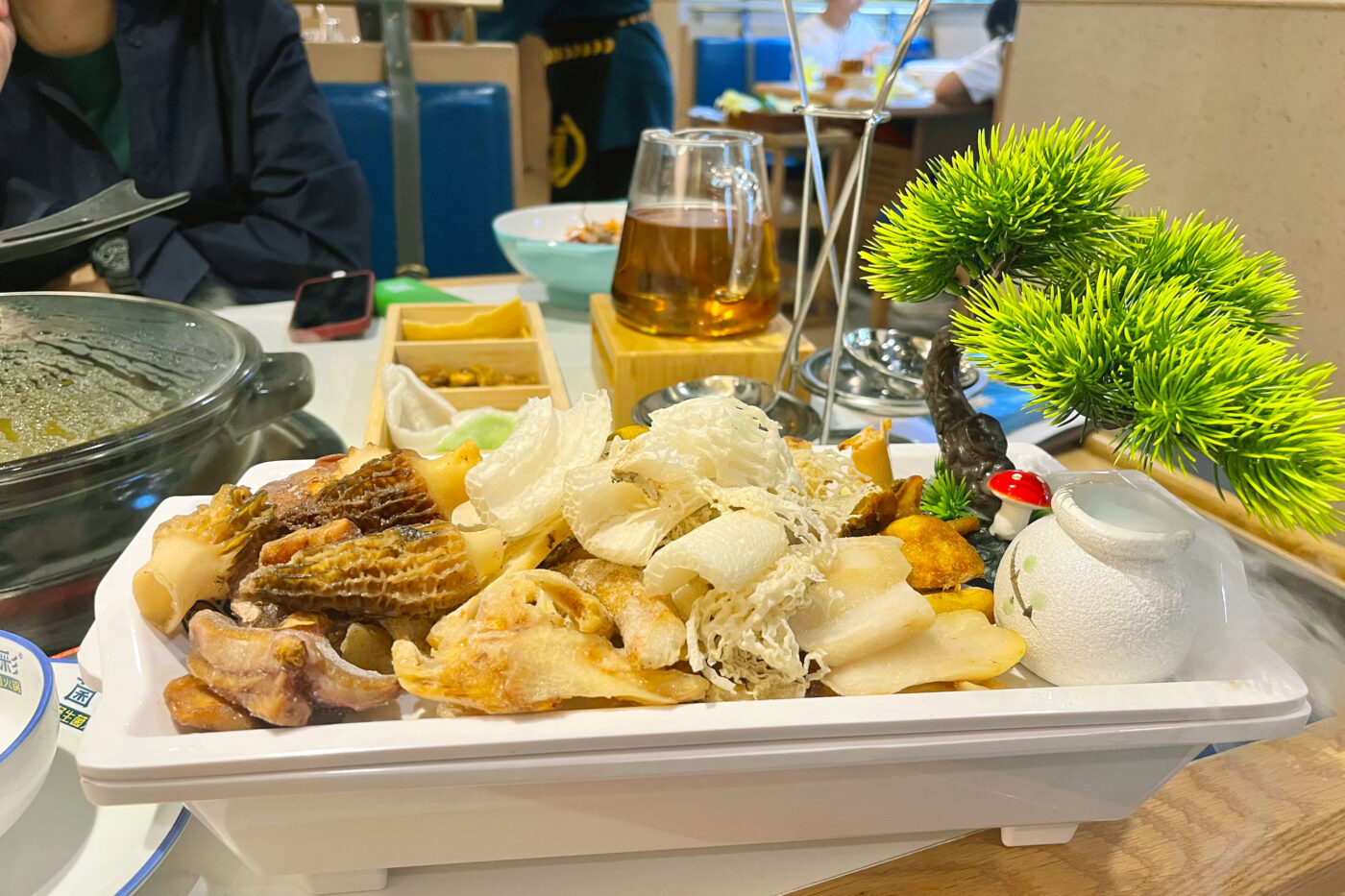
For my last day in Kunming, I visited the Yunnan Railway Museum. For much of its history, Yunnan was cut off from the rest of China and the world because of its rugged terrain. Before the railway, traveling to the region was slow, exhausting, and often dangerous.
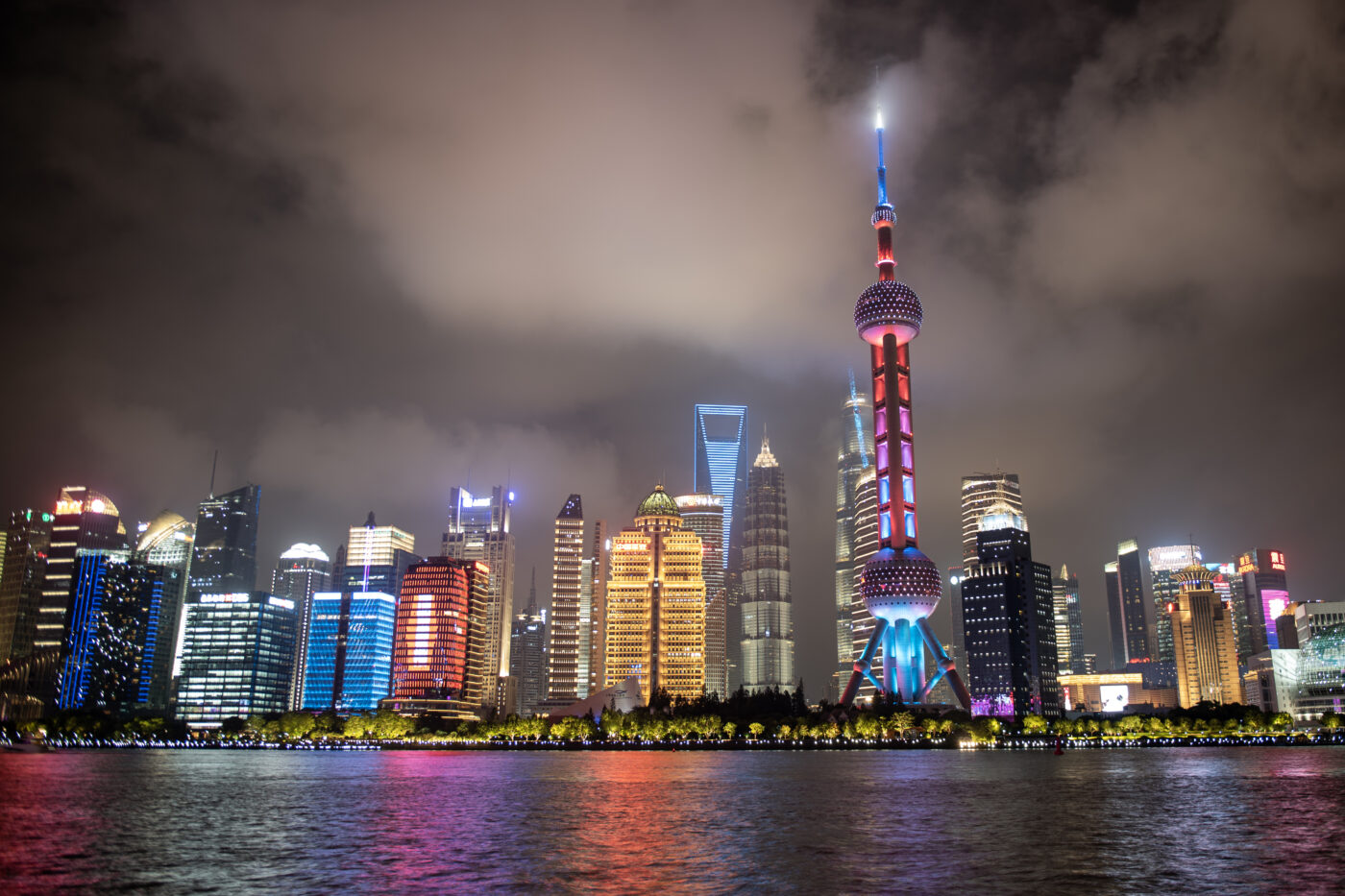
I made my great return to Shanghai! The last time I visited was in 2010 for the World Expo. That was right before I left for business school, and so much has changed since then for the city and for me. Back then, I didn’t know any Chinese at all. Now I’ve gained enough language proficiency to take in much more of what the city has to offer. After spending time in so many of China’s ancient cities, I also feel better equipped to connect the country’s ancient past with its modern identity.
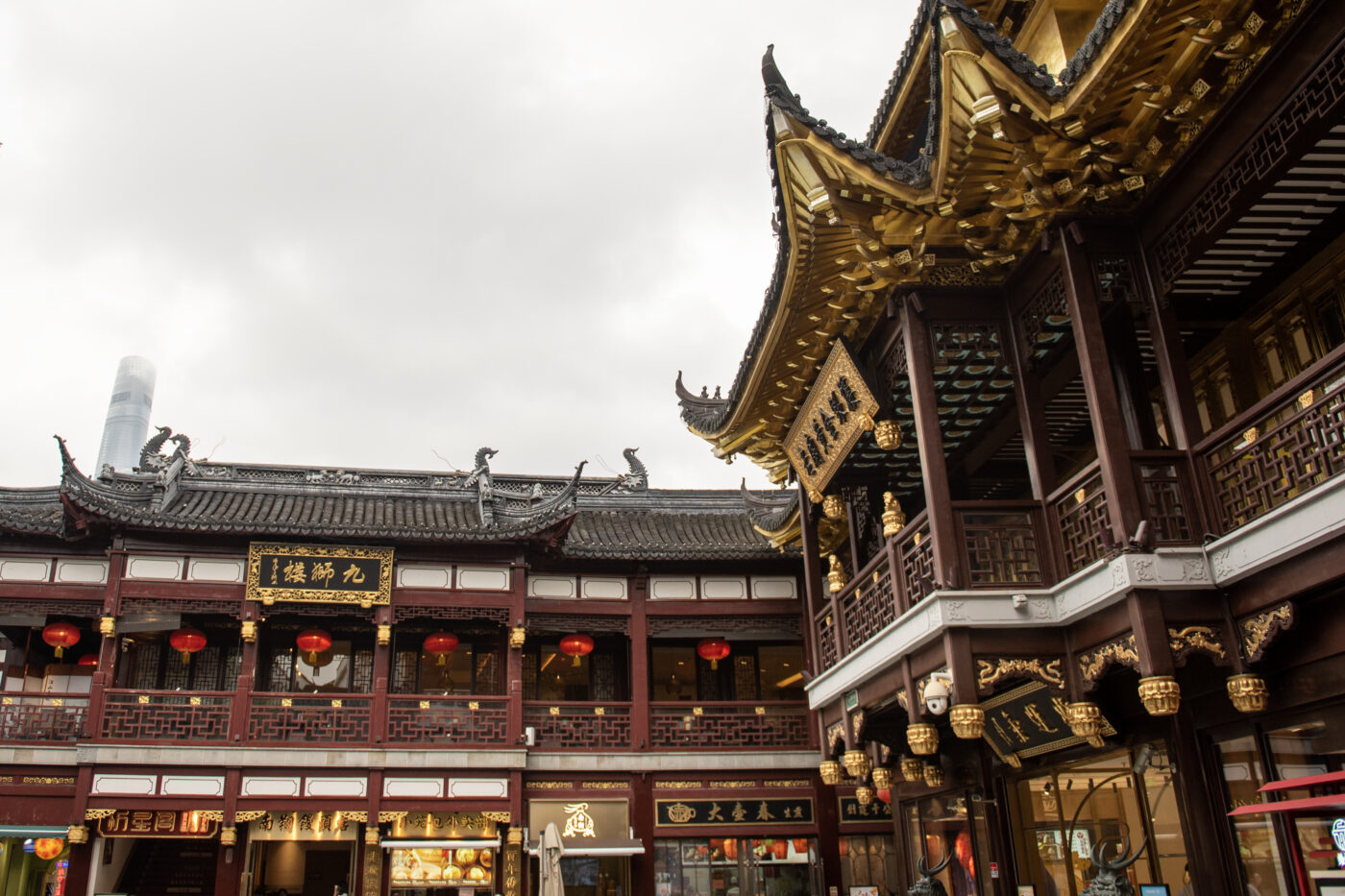
This morning I visited the Shanghai Tower, the tallest building in Shanghai and the third tallest in the world. I remembered seeing a documentary years ago about its construction. It explained that few, if any, Western firms would have funded a project like this. With its unusual design featuring an enclosed inner glass layer, the payback period would be long and the return on investment relatively low. However, the documentary pointed out that Chinese investors tend to take a much longer view when evaluating projects like this.
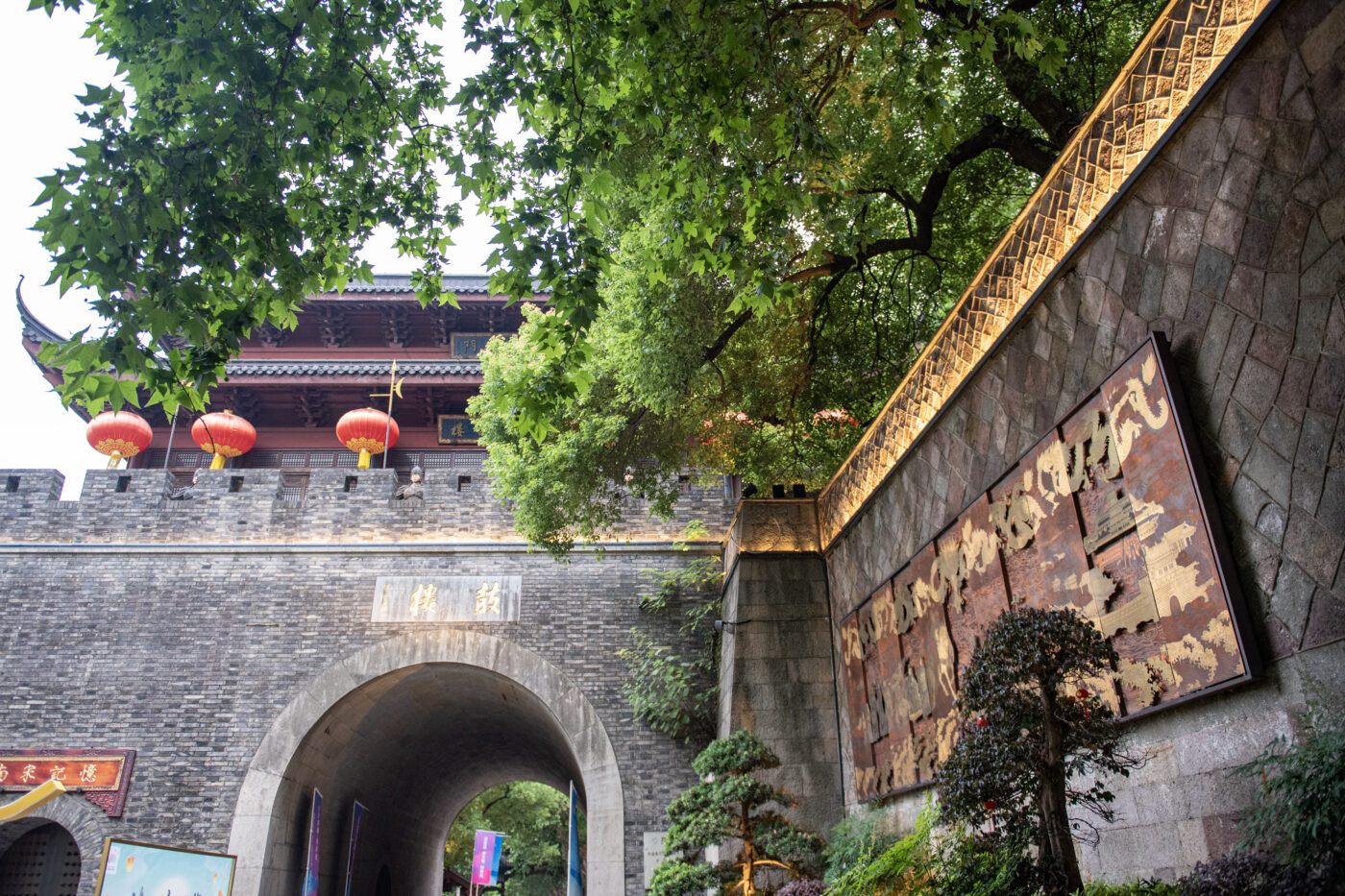
I made it to Hangzhou, the capital of Zhejiang province. Historically, Hangzhou has been celebrated as one of China’s great cultural and economic centers. For centuries it was known for its role in trade along the Grand Canal and for its reputation as a center of art, literature, and learning.