
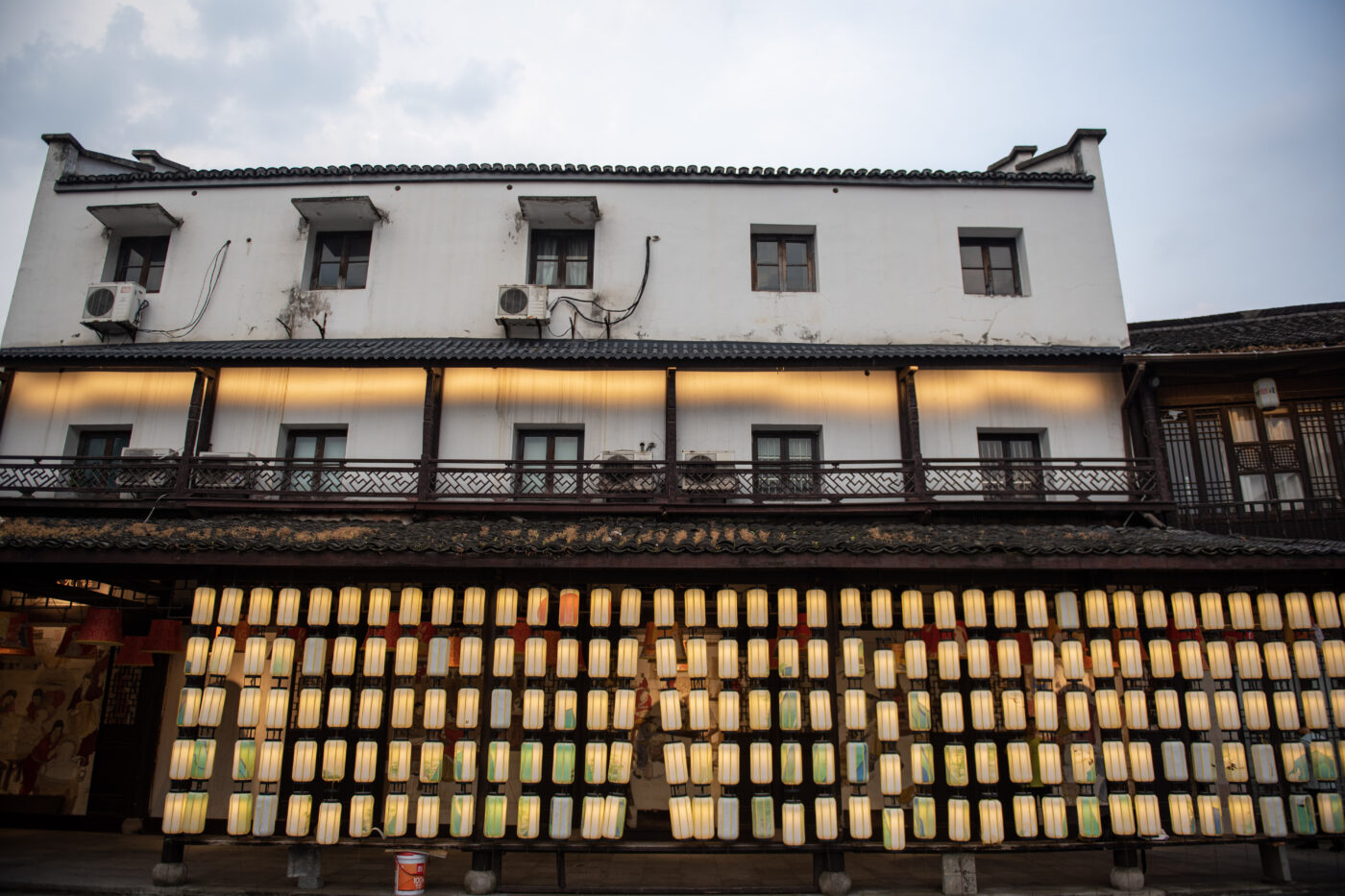
I spent time at West Lake and the surrounding parks. It’s famous for its gardens and has been listed as a UNESCO World Heritage Site for influencing garden designs throughout China, Japan, and Korea for centuries. I’ll be spending more time here over the next few days. However, I wanted to walk along the shoreline and see what attractions were worth prioritizing for later (of which there were many).
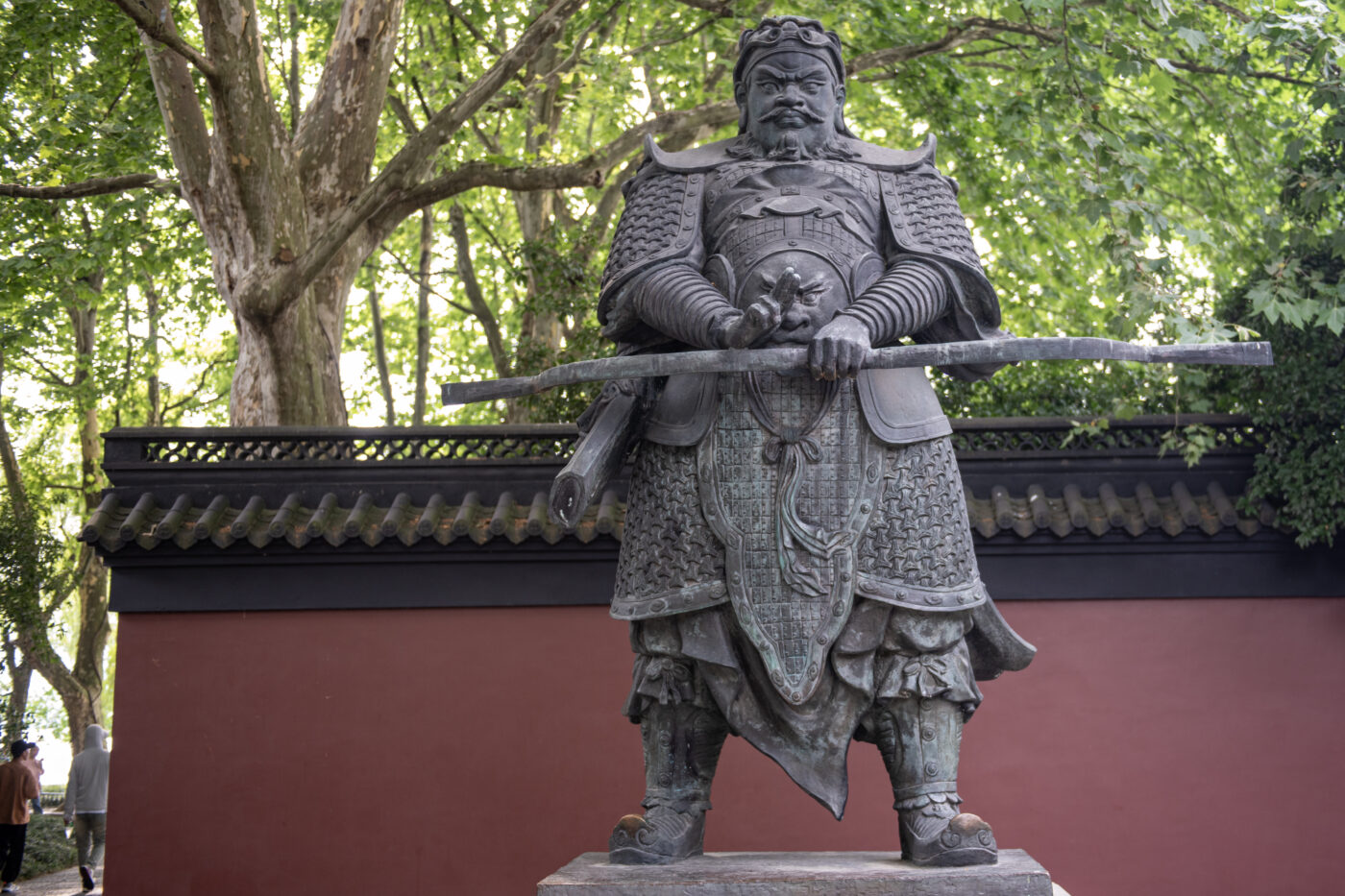
I spent the day at Solitary Hill, on the northwest corner of West Lake. It’s the lake’s only natural island, while the others are all man-made, and it covers about 50 acres. Once home to an imperial garden during the Qing dynasty, the park was renovated and reopened in 1927 to honor Sun Yat-sen, the father of modern China, who is celebrated in both Mainland China and Taiwan.

I visited Leifeng Pagoda, constructed in the 10th century during the Five Dynasties and Ten Kingdoms period. This was a notable period of political instability in China’s history, where five dynastic states ruled and collapsed in quick succession.
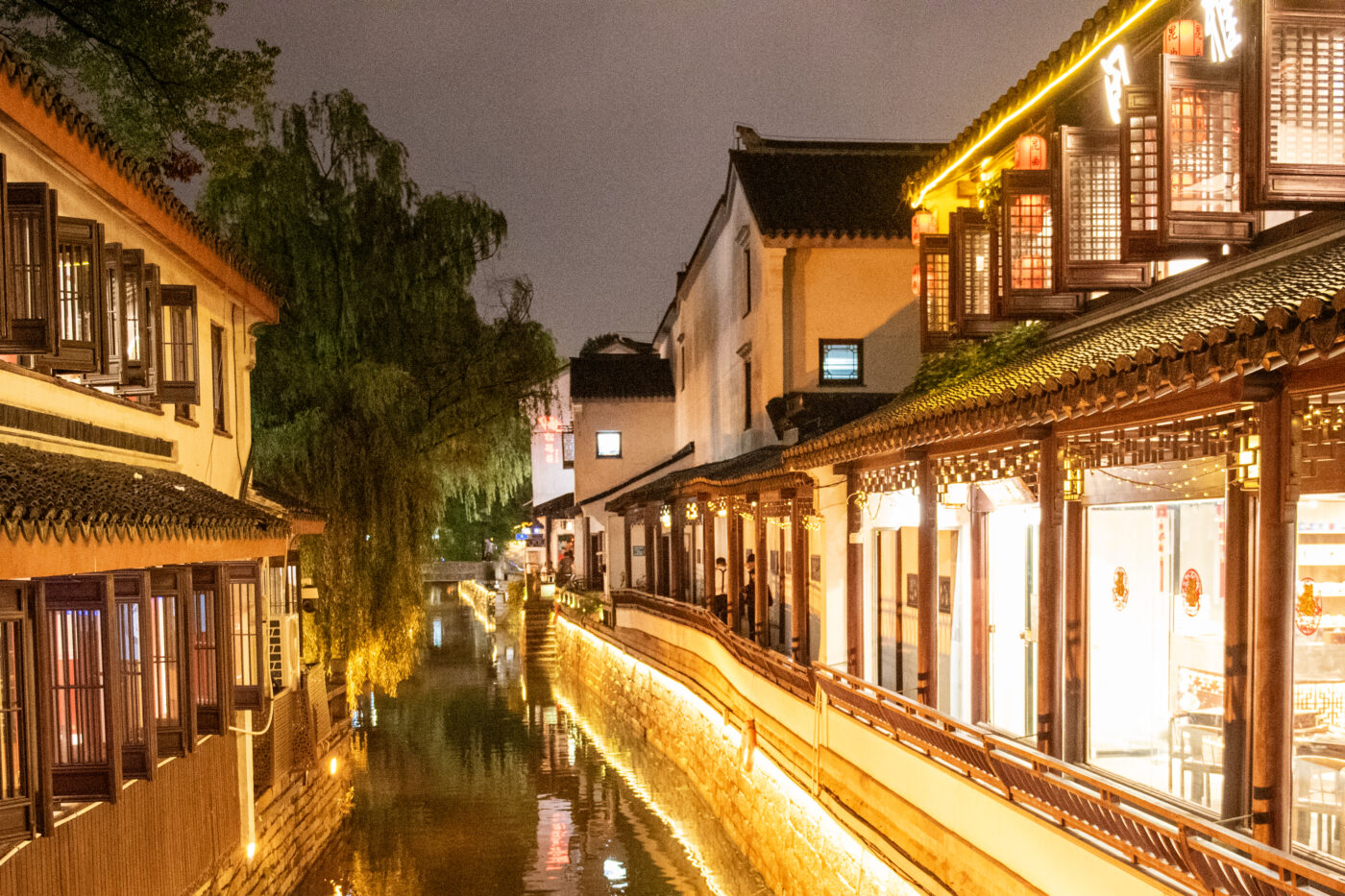
For my last major stop in China, I’ll be spending time in Suzhou. Founded in the 6th century BC, Suzhou is one of China’s oldest cities. It’s best known for its historic canals, part of the Grand Canal system that once connected the north and south of the country for trade and transport.
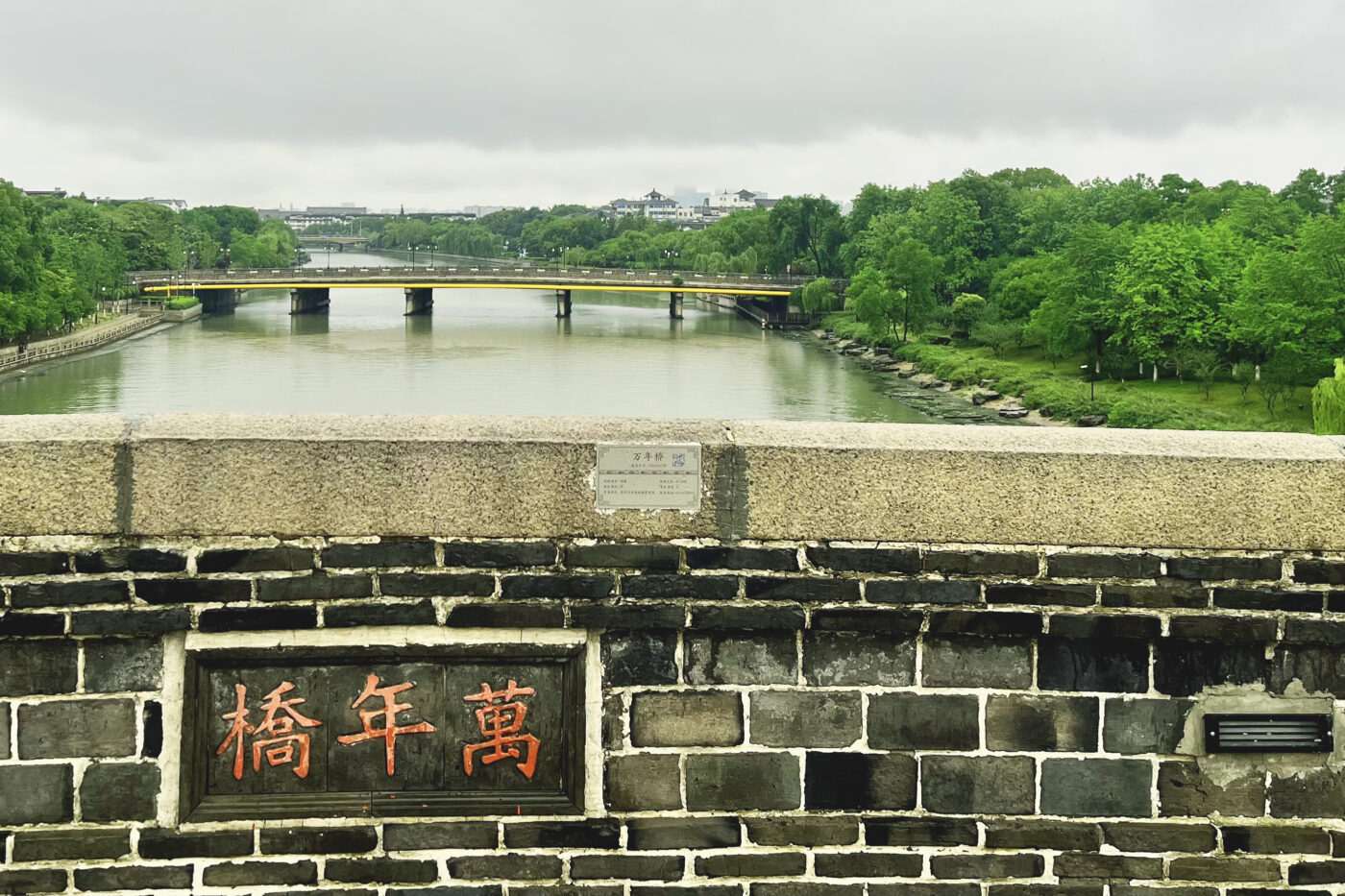
The weather in Suzhou has been so lovely lately. I kid. Although, I can’t really complain. I haven’t experienced any intense rainfall since arriving in China. That is, until now. In this case, the only way for me to escape it was to step inside a coffee shop. Very few coffee shops open before 10 AM. Coffee culture is growing in popularity in China, but it’s not really part of their morning routine. I did, however, discover this shop inside the Cultural Salon of Suzhou. The coffee was not great, but the space was awesome. It took several hours for the storm to pass.
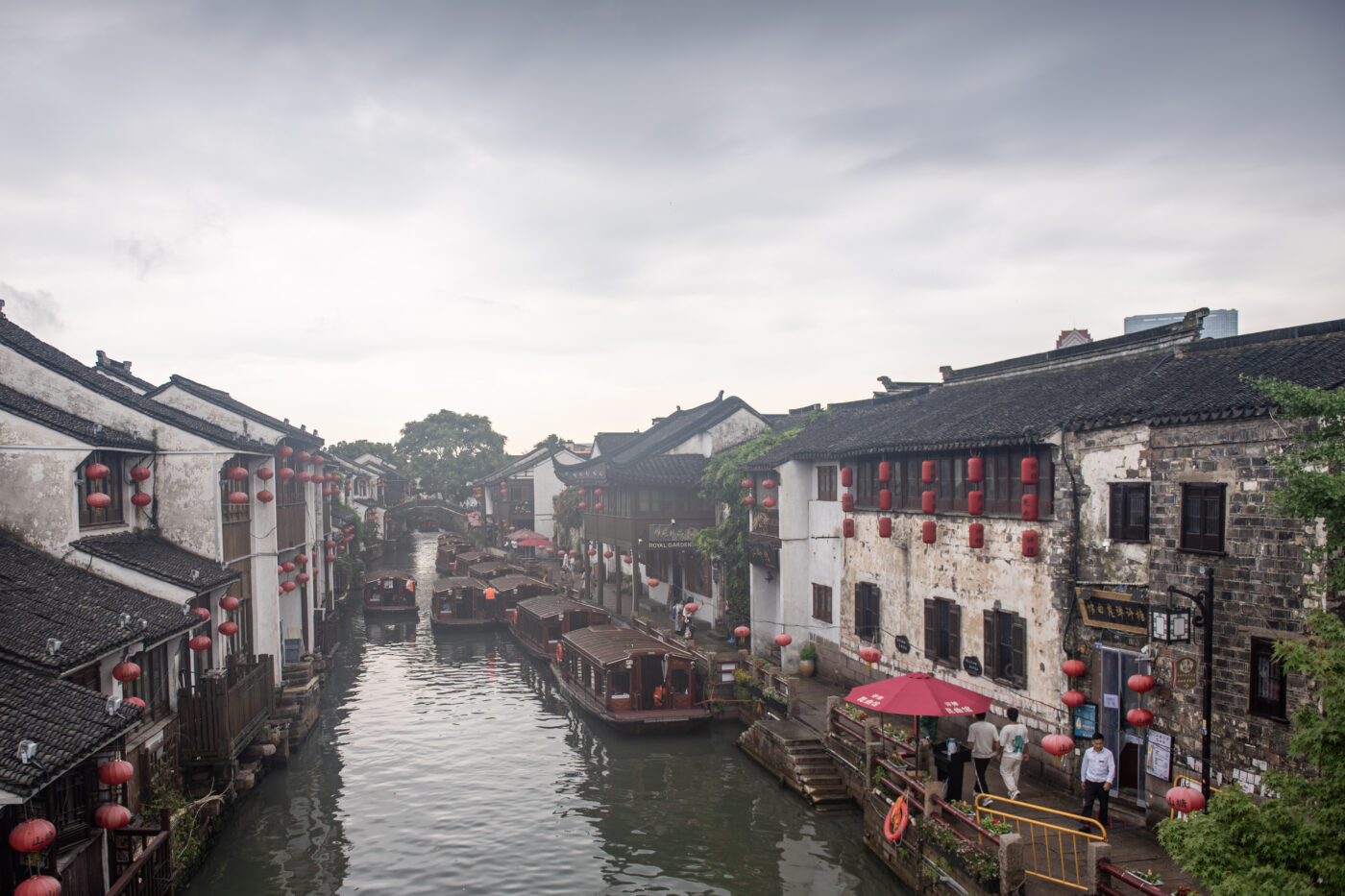
In the morning, I visited Shantang Street, sometimes referred to as the “First Street in Suzhou.” It was constructed in the 9th century during the Tang dynasty. This street, along with Pingjiang Road, declared a “Historical and Cultural Block of China” in 2015, make up portions of what is considered the Old Town of Suzhou. Besides the canals and bridges, I find the private homes particularly interesting. You can occasionally catch a glimpse into the daily lives of those who live here.
For my last night in Suzhou, I decided to take in a live pingtan performance. Pingtan is a traditional form of musical storytelling that combines singing, instrumental music, and spoken narrative, often performed in the Suzhou dialect. It first emerged during the Song dynasty more than 700 years ago but reached the height of its popularity in the 19th century when Shanghai audiences embraced it as a major form of entertainment.
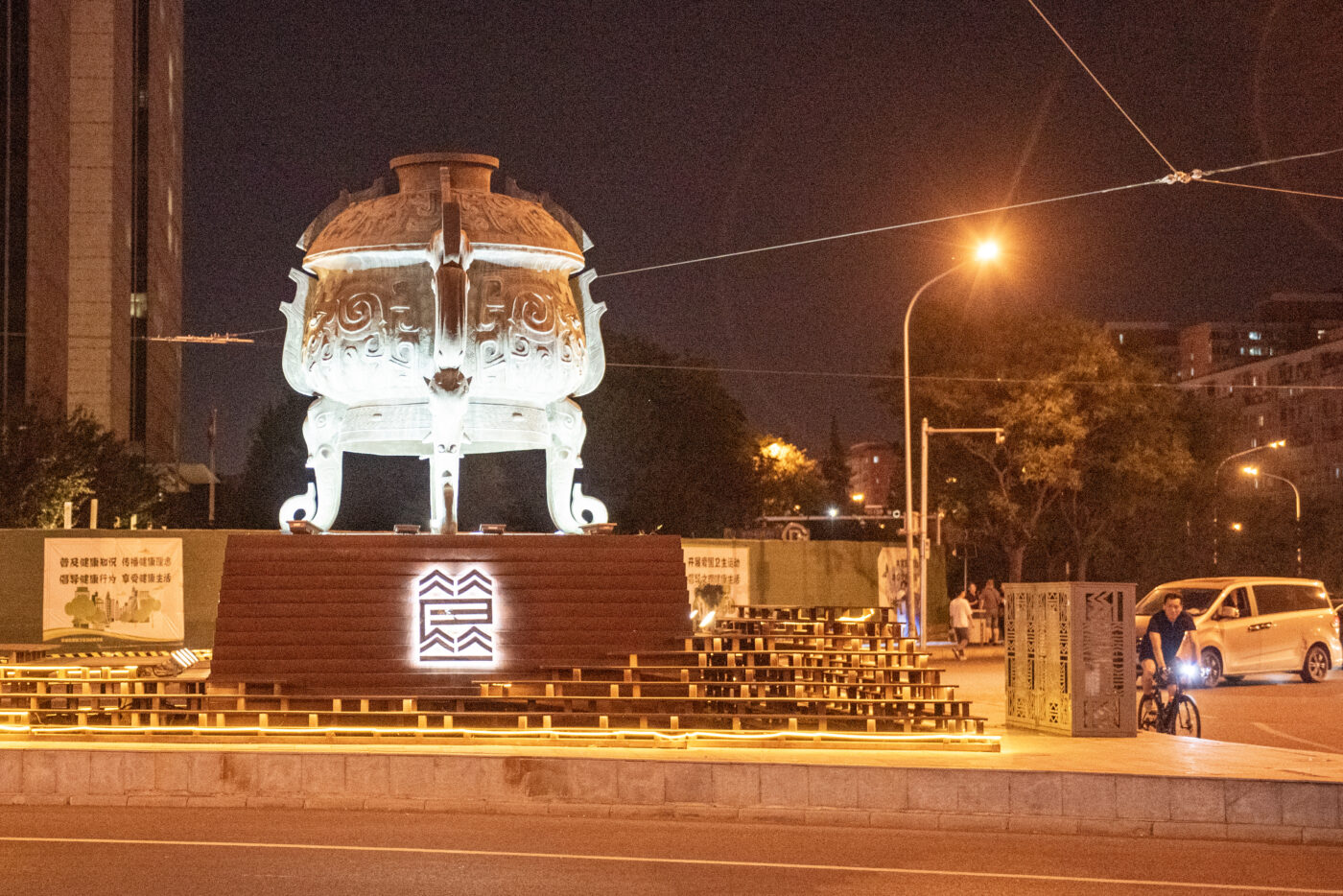
I arrived in Beijing in the evening, and it was blistering hot, nearly 100°F (36°C). When I left the metro, I worried that I’d melt away. Fortunately, I got it together and visited Ghost Street for what would be my last dinner in China (at least for now).
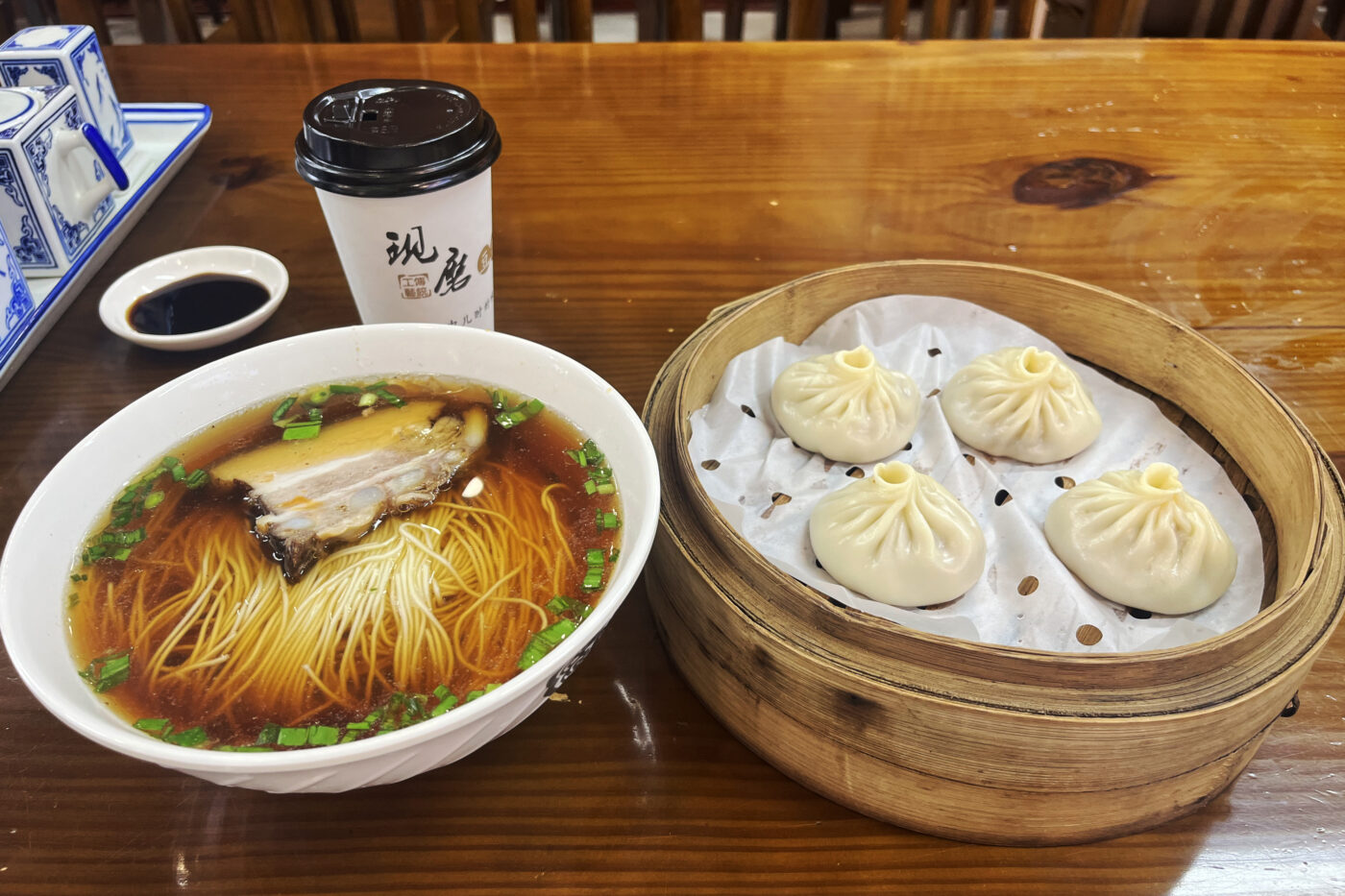
For my final post, I had hoped to share an amazing story about my last meal. Unfortunately, in my haste to make it to the airport, I had no time to enjoy it. Instead, I’ll share a picture of my favorite breakfast from this adventure: pork noodles, soup dumplings, and soy milk.
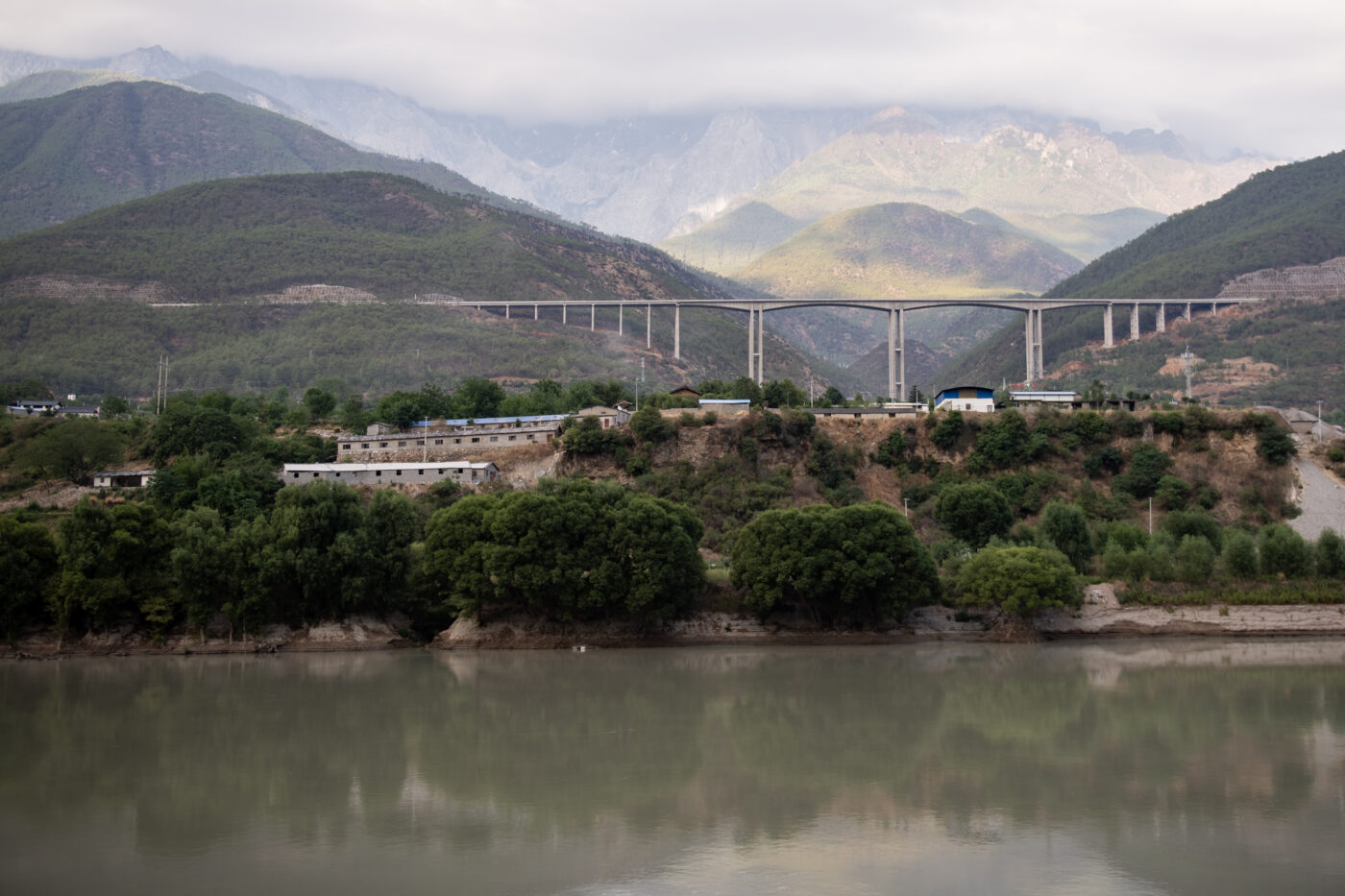
Last year, I spent six weeks backpacking across China. I explored waterways both far in China’s interior and near its coastline. My journey enabled me to witness firsthand the impact these waterways played in the cultural, economic, and urban development of local communities. It also allowed me to drift from place to place, learning about the lives, customs, and values of the diverse people that call these locations their home.